Desk workers planning an afternoon snack
A ready-to-eat bar is convenient when there is no time to prepare food. Compare protein for the whole bar alongside its energy and carbohydrate figures to see whether it fits the snack you have in mind.


If protein per bar matters most, start with the nutrition panel for the exact flavour: Myprotein lists 30g for its High-Protein Bar, while PhD lists 21g for a Chocolate Brownie Smart Bar and Barebells lists 20g for Salty Peanut. The larger protein figure does not settle which bar suits a desk snack; compare serving size, energy, sugars and ingredients before choosing a flavour or multipack.
A ready-to-eat bar is convenient when there is no time to prepare food. Compare protein for the whole bar alongside its energy and carbohydrate figures to see whether it fits the snack you have in mind.
Flavour may matter as much as the protein figure if you want to keep the bar at your desk. Glanbia Nutritionals’ research on UK and Irish bar consumers places taste ahead of high protein among the attributes it discusses; check the exact flavour’s sugars and other nutrition information too.
Read the ingredients and any precautionary allergen statement on the exact bar, particularly before bringing it into a shared office. Protein bars in this category can contain ingredients such as milk, soya, peanuts or collagen; a plant-based variant still needs its own allergen check.
Start with the whole-bar serving size, then compare the figures and ingredients that matter for how you intend to use the snack.
| Priority | What to check | Your needs |
|---|---|---|
| Protein per bar | Read grams per whole bar, not just the front-of-pack description. Myprotein lists 30g for its High-Protein Bar; PhD lists 21g for Chocolate Brownie Smart Bar, and Barebells lists 20g for Salty Peanut. | I want to know how much protein the bar contributes to the snack I have planned, without treating every bar labelled “protein” as equivalent. |
| Energy and sugars | Compare kcal, sugars and carbohydrate for the same serving size and exact flavour. Check the ingredients as well as a low-sugar description. | If I am replacing a small sweet snack, I want a flavour I will eat and a nutrition panel that fits that choice—not a decision based on sugar alone. |
| Ingredients and allergens | Check highlighted allergens, any “may contain” statement, animal-derived ingredients and sweetener warnings on the pack. GOV.UK states that allergens must be highlighted in the ingredients list. | A bar kept or shared at work needs to fit my dietary requirements and the office’s allergy considerations. |
| Pack and storage | Check the number and size of bars before ordering a multipack. Follow the storage instructions on the exact product. | I would rather confirm the flavour and ingredients before committing to several bars for my desk drawer. |
A protein figure means more when you know whether it applies to a whole bar and how that bar fits the snack you want.
Use the exact flavour’s panel to compare protein, energy, carbohydrate and sugars per bar. A larger protein figure is not, by itself, a reason to choose a larger snack.
Allergens, animal-derived ingredients and sweetener warnings can determine whether a particular bar is suitable for you or appropriate to share at work.
Check the exact pack’s ingredients, precautionary allergen statement and warnings before ordering several. If flavour is uncertain, consider trying an individual bar first.
These examples show different bars and shopping routes; a brand name alone does not establish the nutrition or ingredients of every flavour.
Its High-Protein Bar is a reference point when protein per bar is the main comparison.
Smart Bar offers a full-size, ready-to-eat format for comparing protein-bar flavours.
Carb Killa is a chocolate-style protein-bar range, including a Chocolate Chip Salted Caramel bar listed by Tesco.
The range includes Original and Vegan bars with different ingredient considerations.
Quest’s own website describes protein bars in its range with 20–21g protein.
Tesco is a grocery retailer, not a protein-bar manufacturer; its individual-bar listings can be useful when choosing a flavour to try.
These options include Grenade chocolate-style bars in different flavours and pack sizes, plus a Nature Valley peanut and chocolate bar. Compare the exact pack label when protein per bar, sugars or allergens determine your choice.
 No image available
For a chocolate-style desk snack, compare this Oreo-flavour bar’s protein and sugars per 60g serving with your other options. The pack contains four bars; check its ingredients and sweetener warnings before stocking up.
 No image available
The Double Chocolate flavour comes as twelve 50g bars for keeping snacks on hand at work. Compare protein and energy per bar with the 60g option, and check the ingredients if milk, soya or animal-derived ingredients matter to you.
 No image available
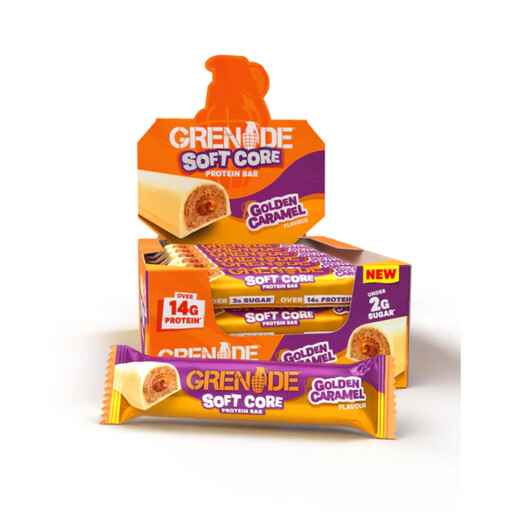
This Golden Caramel option is another twelve-pack of 50g bars for a ready-to-eat office snack. Check its own nutrition panel rather than assuming the Double Chocolate flavour has identical values, and review the allergen and sweetener information.
 No image available
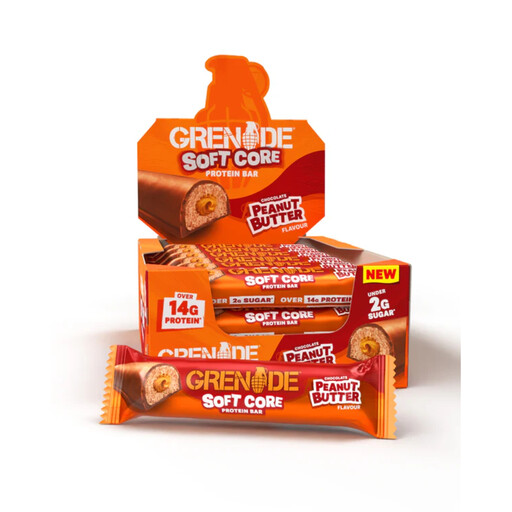
Choose between this Peanut Butter flavour and the other Soft Core bars by checking each flavour’s label, not the range name. It comes as twelve 50g bars; pay particular attention to its peanut and other allergen information in a shared office.
 No image available
This peanut and chocolate option comes as four 40g bars. If your main reason for buying is protein per bar, compare its whole-bar figure with the other packs rather than relying on the word “Protein” in the name; check the peanut and other allergen information too.
Compare the amount in the whole bar against the snack you intend to have; there is no single figure that suits every office snack. Myprotein lists 30g per High-Protein Bar, PhD lists 21g for its Chocolate Brownie Smart Bar, and Barebells lists 20g for Salty Peanut. Serving size and the rest of the nutrition panel still matter.
Yes—read the exact bar’s ingredients and any precautionary allergen statement, especially before sharing it at work. GOV.UK states that allergens must be highlighted in the ingredients list; a familiar snack-bar appearance does not tell you which ingredients a particular flavour contains.
No. A lower-sugar description does not tell you which sweeteners or polyols are in the bar. Check the exact flavour’s ingredients and consumption warnings before buying a multipack.
Follow the storage directions on the exact pack and consider whether your drawer meets them, particularly if it becomes warm. Check the pack and ingredients before leaving a multipack at work.
No. Check the ingredient list for the particular bar rather than judging by its protein figure. Barebells states that its Vegan Caramel Peanut bar contains wheat protein, so a vegan variant still calls for an allergen check.