
24/7 Customer Support

Free returns

Same-day & Next-day Delivery

Quality Guaranteed
Download the APP
Categories
Navigating the world of protein bars can feel overwhelming. With shelves packed with options all claiming to be the perfect fuel, it’s difficult to know which one truly fits your lifestyle. Whether you need a quick post-workout snack to aid muscle recovery, a convenient source of on-the-go nutrition or simply a healthier way to satisfy a sweet craving, the right bar is out there.
As a Joybuy Product Recommendation Officer, my role is to help you cut through the clutter. This guide offers practical advice for choosing a high protein bar and highlights a few standout options that cater to different needs and preferences, from serious fitness goals to mindful snacking.
Before you pick a bar, it helps to know what to look for. Here are a few key points to consider to ensure you’re making an informed choice.
The term "high protein" can be subjective. A good starting point is to look for bars that offer at least 15-20 grams of protein, especially if your goal is muscle recovery. Equally important is the sugar content. Many bars compensate for flavour with high amounts of sugar or sugar alcohols (polyols). If you're looking for a low sugar protein bar, check the "carbohydrates (of which sugars)" line on the nutritional panel. A bar with less than 5g of sugar is generally a solid choice.
Protein can come from various sources, which is particularly important if you have dietary preferences. Whey and milk proteins are common and effective for muscle synthesis. For those seeking a vegetarian protein snack, options made with soy, pea or nut-based proteins are excellent alternatives. Always check the ingredients list to ensure the source aligns with your dietary needs.
Are you looking for a substantial bar to refuel after a heavy gym session, or a light bite to keep you going between meals? A dense, calorie-rich bar is ideal for recovery, while a lighter, lower-calorie option with good fibre content might be better for general snacking. Considering when and why you'll be eating the bar will help you select one with the right nutritional profile for the occasion.
Based on their nutritional profiles, ingredients and specific use cases, here are our recommendations for 2026.
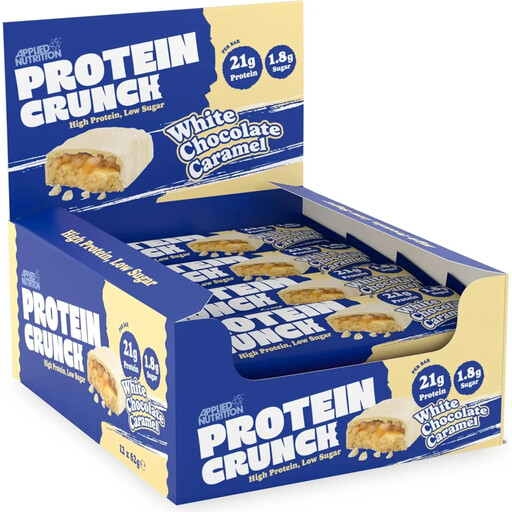
Why It Stands Out: This bar from Applied Nutrition strikes an impressive balance between high-performance nutrition and enjoyable flavour. It’s specifically formulated for those who take their protein intake seriously but don’t want to compromise on taste or load up on sugar. The crunchy texture is a welcome change from the often dense and chewy consistency of other bars on the market.
With a substantial 21g of protein and only 1.8g of sugar per bar, it’s a nutritional powerhouse. The blend of milk, wheat and soy protein isolates provides a comprehensive amino acid profile to support muscle maintenance and growth.
Pros:
Who is it for? This is a great fit for fitness enthusiasts, athletes and anyone looking for a dedicated muscle recovery bar. It’s also a top choice for individuals on a low-sugar diet who still want a satisfying and flavourful treat.
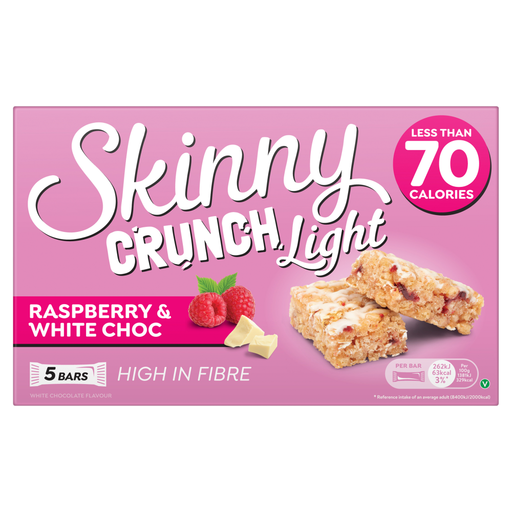
Why It Stands Out: Not every snack needs to be a heavy-duty protein bomb. The Skinny Cruch bar is designed for mindful indulgence. At under 70 calories per bar, it offers a light, crispy treat that satisfies sweet cravings without derailing your nutritional goals. While its protein content is modest, its main appeal lies in being a low-calorie, high-fibre alternative to standard confectionery.
According to the brand, it contains 50% less sugar than comparable standard chocolate and marshmallow bars, making it a smarter choice for a mid-afternoon pick-me-up.
Pros:
Who is it for? This bar is perfect for health-conscious individuals who want a light snack to accompany a cup of tea or coffee. It’s less of a post-workout fuel source and more of a smart, tasty option for on-the-go nutrition when you need to manage calorie intake.
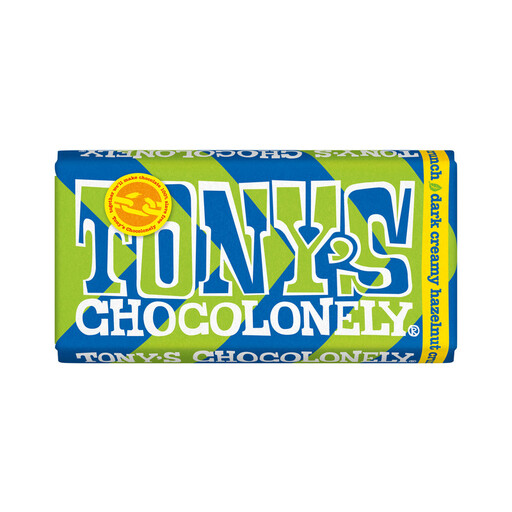
Why It Stands Out: This option from Tony's Chocolonely redefines what a snack bar can be. It’s not a traditional fitness bar but a premium, ethically-made chocolate bar that happens to be a good source of plant-based protein from nuts. Made with 51% dark chocolate, hazelnut paste and crunchy caramelised hazelnut pieces, it delivers a rich, complex flavour.
What truly sets it apart is its commitment to ethics. The bar is vegan, Fairtrade certified and uses 100% traceable cocoa beans. It’s also free from palm oil and comes in plastic-free, recyclable packaging.
Pros:
Who is it for? This is the ideal choice for the ethically-conscious consumer, vegans and anyone who prioritises flavour and quality ingredients. It serves beautifully as a decadent vegetarian protein snack rather than a performance-focused bar.
These three recommendations cover a range of needs, from intense athletic support to mindful, ethical indulgence. However, the world of protein-rich snacks is vast and varied. If you're keen to explore a wider variety of textures and flavours, browse our full collection of chocolate crunch bars to find your perfect match.
This depends on your goals. For use as a post-workout snack, consuming a bar within an hour of exercise can help support muscle recovery. As a general snack, they are excellent for providing on-the-go nutrition and curbing hunger between meals, helping you avoid less healthy options.
Many are, but it's essential to check the ingredients list. Protein sources like soy, pea and milk protein (for lacto-vegetarians) are common. All the options highlighted in this guide are suitable for vegetarians, and the Tony's Chocolonely bar is also vegan.
While convenient, most protein bars are designed as snacks or dietary supplements, not as complete meal replacements. They typically lack the full spectrum of vitamins, minerals and fibre found in a balanced meal. They can be a useful solution when you're short on time, but they shouldn't regularly substitute whole-food meals.