Who is choosing the bars?

Parents packing for a mixed group

Find out what each child can eat and check the school or venue’s food policy before putting a cereal bar in every bag. Food Standards Scotland advises asking parents or carers about a child’s dietary restrictions and checking ingredients on pre-packed food.

Parents following an individual nutrition plan

A protein-focused snack may be relevant to an individual child’s existing plan, but that does not make it a suitable choice for the whole party. NHS guidance from Frimley Healthier Together discusses extra calories and protein for some children who are not growing well or have certain medical conditions.

Hosts checking gluten-free or plant-based options

Check the exact flavour and pack rather than relying on the category name. Nature Valley describes its Protein Peanut & Chocolate bar as gluten free, while Tesco lists TREK Cocoa Oat Protein Flapjacks as gluten free and vegan; those descriptions do not settle other children’s allergen requirements.

What should you check first?

High-protein bar

Consider when: The intended child or small group is known, parents want a protein-focused snack, and the product meets their confirmed requirements.

Trade-off: A protein claim does not resolve allergy, gluten or portion checks; Nature Valley’s Protein Peanut & Chocolate bar, for example, contains peanut, soya and milk.

Standard cereal bar

Consider when: The aim is a wrapped snack rather than a protein-focused choice, and the exact bar fits every intended recipient’s confirmed requirements.

Trade-off: An ordinary cereal bar still needs an allergen check; Kellogg’s lists barley, oats, milk, soya and wheat for its Special K Red Berry Bar.

Non-food item

Choose when: You cannot confirm the children’s dietary requirements or obtain approval for food at the venue.

Trade-off: There is no snack in the bag, but you avoid choosing a food for children whose requirements you do not know.

PriorityWhat to checkYour needs
Allergens and venue rules Ask parents or carers what each child can eat. Read the current pack’s ingredients and any “may contain” statement; confirm the school or venue’s food policy before packing. I need to know that the particular bar fits each recipient’s requirements and is permitted at the venue.
Reason for choosing protein Compare protein per bar, not just the front-of-pack wording. Keep an individual child’s existing nutrition plan separate from a choice for the whole group. A protein-focused snack matters to the intended child, rather than being an automatic choice for every party bag.
Gluten and ingredients Check the exact flavour’s gluten-free statement, cereal ingredients and current physical pack. Nature Valley describes Protein Peanut & Chocolate as gluten free; Kellogg’s lists barley, oats and wheat in Special K Red Berry Bar. If a child needs a gluten-free option, I cannot decide from the words “cereal bar” or “protein bar” alone.
Portion information Read energy, sugars and protein for the individual bar, checking whether any figure is instead given per 100g. Keep the wrapper intact so its label remains available. I want to compare the portion a child would receive, not a larger reference quantity or a protein claim by itself.

Common mistakes to avoid

  • Assuming “high protein” means suitable for every child

    Nature Valley says its Protein Peanut & Chocolate bar contains peanut, soya and milk and may contain other tree nuts. Protein content does not make those allergens irrelevant.

    Collect dietary information from parents or carers before considering a bar for an individual child or a pre-cleared group.

  • Guessing gluten status from the type of bar

    Nature Valley describes its Protein Peanut & Chocolate bar as gluten free, while Kellogg’s lists barley, oats and wheat for Special K Red Berry Bar. One label cannot stand in for another product’s recipe.

    Check the exact flavour and current physical pack, including its ingredients and precautionary allergen wording.

  • Assuming a sealed wrapper settles the venue rules

    Individual wrapping does not change a bar’s ingredients. Department for Education allergy guidance for England notes that settings may discourage certain allergens, such as nuts, on site.

    Ask the school or venue about its food policy before buying bars for the bags.

  • Comparing only the protein claim

    A protein figure alone does not describe the whole bar or the portion a child would receive.

    Read the per-bar nutrition declaration alongside the ingredients and allergen information.

Relevant brand examples

These product examples show why the exact bar and flavour matter more than a brand-wide assumption.

Nature Valley

Nature Valley lists approximately 10g protein and 4g fibre per 40g Protein Peanut & Chocolate bar and describes that product as gluten free.

  • The manufacturer provides per-bar protein information for this specific flavour.
  • The same bar contains peanut, soya and milk and may contain other tree nuts; its gluten-free description is not an all-allergen clearance.

TREK

TREK describes its Protein Flapjacks as containing 9g plant protein and its High Protein bars as containing 15g. Those are different product ranges.

  • Tesco lists the specific TREK Cocoa Oat Protein Flapjack as gluten free and vegan.
  • The Cocoa Oat listing includes soya protein crispies. Check the ingredients and allergen information for the flavour being packed.

Kellogg’s

Kellogg’s lists 1.4g protein per 27g Special K Red Berry Bar, providing an example of a cereal bar that is not being presented here as a protein-focused option.

  • The manufacturer gives a per-bar protein figure for this specific product.
  • Its listed allergens include barley, oats, milk, soya and wheat. Kellogg’s advises checking the pack because recipes can change.

Joybuy high-protein bar options

These protein bars and flapjacks are options to assess for an individually suitable child or pre-cleared group, not a default selection for every party bag. Check each current pack against the recipients’ requirements and the venue policy.

Nature Valley Protein Peanut & Chocolate Bar 4x40g

Nature Valley Protein Peanut & Chocolate Bar 4x40g

Consider this flavour only after checking the intended child’s requirements: Nature Valley lists approximately 10g protein per 40g bar and describes it as gluten free, but says it contains peanut, soya and milk and may contain other tree nuts. Check the current pack before packing a bar.

View on Joybuy

Nature Valley Protein Salted Caramel Nut Bar 4x40g

Nature Valley Protein Salted Caramel Nut Bar 4x40g

This 4x40g nut-flavoured protein-bar pack calls for an exact-flavour ingredient and allergen check before any bar goes into a child’s bag. Do not apply the gluten or nutrition information for Nature Valley’s Peanut & Chocolate flavour to this one.

View on Joybuy
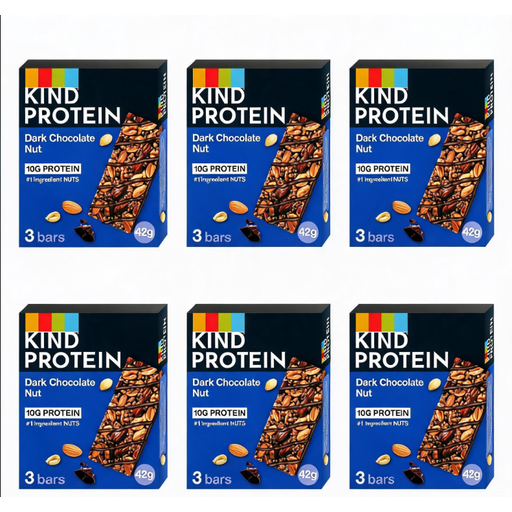
KIND Protein Dark Chocolate Nut Bars 3 x 42g x 6pcs

KIND Protein Dark Chocolate Nut Bars 3 x 42g x 6pcs

For this dark-chocolate-and-nut bar pack, check how many individually wrapped bars you intend to give out, then read the exact pack’s ingredients, allergens and per-bar nutrition before choosing it for a child.

View on Joybuy

TREK Salted Caramel Protein Flapjacks 3 x 50g

TREK Salted Caramel Protein Flapjacks 3 x 50g

This pack contains three 50g salted-caramel protein flapjacks. TREK describes its Protein Flapjack range as containing 9g plant protein; check this flavour’s current wrapper for its own nutrition, gluten and allergen information before including it.

View on Joybuy
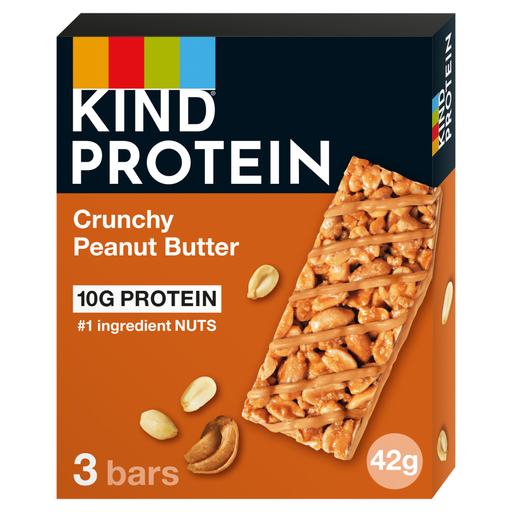
KIND Protein Crunchy Peanut Butter 3 x 42g

KIND Protein Crunchy Peanut Butter 3 x 42g

Before considering one of these three 42g peanut-butter-flavoured bars for a child, compare the current wrapper’s allergen statement with the information from their parent or carer. Check the pack itself if gluten status matters.

View on Joybuy

Questions about party-bag bars

Are high-protein cereal bars a good default for children’s party bags?

No, not for a group whose requirements have not been checked. Nature Valley’s Protein Peanut & Chocolate bar, for example, contains peanut, soya and milk and may contain other tree nuts. Ask parents or carers what each child can eat and check the venue policy before choosing any food item.

Can I bring nut-containing protein bars to a school party?

Ask the school before buying or packing them. Department for Education allergy guidance for England notes that schools and settings may discourage certain allergens, including nuts, on site; the decision still depends on the setting’s policy and the children attending.

Does “cereal bar” mean a product contains gluten?

No; check the particular recipe. Nature Valley describes Protein Peanut & Chocolate as gluten free, whereas Kellogg’s lists barley, oats and wheat for Special K Red Berry Bar. Read the current physical pack because recipes can change.

What should I ask before putting food in the bags?

Ask each child’s parent or carer what they can and cannot eat, then check the ingredients and allergen information on every chosen product. Food Standards Scotland also advises avoiding allergen cross-contact when preparing food for someone with an allergy.