What matters when choosing?
Start with the baby’s stage and the food’s texture, then check how it fits into varied meals and any allergen introduction. A per-bar protein figure cannot answer those questions.
| Priority |
What to check |
Your needs |
| Age and texture |
Check the stated age, the food’s actual texture and whether it can be prepared in a form your baby can manage. A bar broken into pieces may still contain firm nut pieces. |
I’m choosing something my baby can manage at their current stage, while seated and supervised. |
| Varied foods |
The NHS lists eggs, beans, pulses, meat and fish as protein foods suitable from around 6 months in an age-appropriate form; these foods can also provide iron and zinc. Keep offering breast milk or first infant formula. |
Rather than relying on one protein-labelled snack, I want to offer a variety of complementary foods. |
| Allergen introduction |
Read the current ingredients and allergen statement. The NHS advises introducing foods that can cause allergic reactions one at a time in very small amounts, with nuts and peanuts crushed or ground. |
If this is a first introduction, I need to know which food I’m offering without several possible triggers in one bar. |
| Pack information |
Check ingredients, the nutrition panel and the exact variant’s age guidance. Neither a protein claim nor a ‘no added sugar’ claim establishes infant suitability. |
I’d like a convenient option, but I still need to check what is in the pack and whether its format fits this stage of weaning. |
Adult bar examples to recognise
These are references to specific adult protein bars, not baby-led-weaning recommendations or an indication that those bars are among the Joybuy products below.
Nature Valley
Nature Valley UK lists around 10g protein per 40g Protein Peanut & Chocolate bar.
- The stated protein amount is for this particular bar and serving size.
- Its listed ingredients include roasted peanuts, peanut butter, soya protein and chocolate pieces; it also contains milk ingredients and may contain tree nuts.
TREK
TREK states that its Peanut Butter Protein Flapjack contains 9g plant protein per bar.
- The named variant gives a per-bar protein figure.
- TREK lists peanut pieces, peanut butter, peanut flour and soya protein crispies. Its protein claim does not establish a suitable infant texture.
nākd.
Tesco Groceries lists 7.2g protein and 13g sugars per 45g Cocoa Hazelnut protein bar.
- The listing gives protein and sugar values for the same serving size.
- The listed ingredients include dates, peanuts, peanut flour and hazelnuts; the listing also warns of possible traces of soya and other nuts.
Eat Natural
Eat Natural UK lists 7.8g protein per 40g Dark Chocolate & Peanut Protein Bar.
- The protein figure identifies the reviewed variant and serving size.
- Its listed ingredients include peanuts, dark chocolate and soya crispies; it may also contain milk and tree nuts.
Joybuy options for weaning
These options comprise baby-labelled finger-food snacks and one lamb meal pouch, rather than adult high-protein bars. Check each pack’s age guidance and ingredients: the meal pouch is not a finger food, and a baby snack is not a substitute for the varied foods advised by the NHS.
 No image available
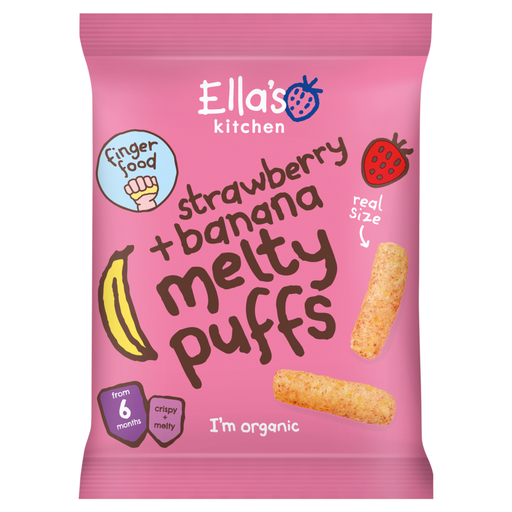
Ella's Kitchen Organic Strawberry & Banana Melty Puffs, 6+ months, 20g
A baby-labelled melty snack for considering alongside other weaning foods. Check the pack’s age guidance and allergen statement before serving, particularly if wheat, milk or soya is relevant.
View on Joybuy
 No image available
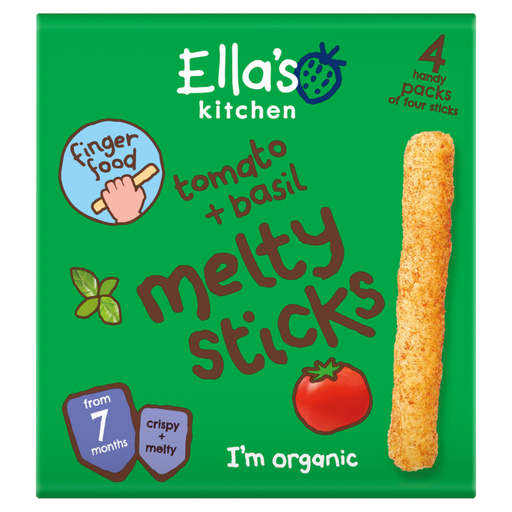
Ella's Kitchen Tomato & Basil Melty Sticks, 7+ months, 4 × 6g
A savoury, baby-labelled stick snack for the stated 7+ months stage. Check the current pack’s ingredients and allergen warning, including information about cereals containing gluten, milk and soya.
View on Joybuy
 No image available
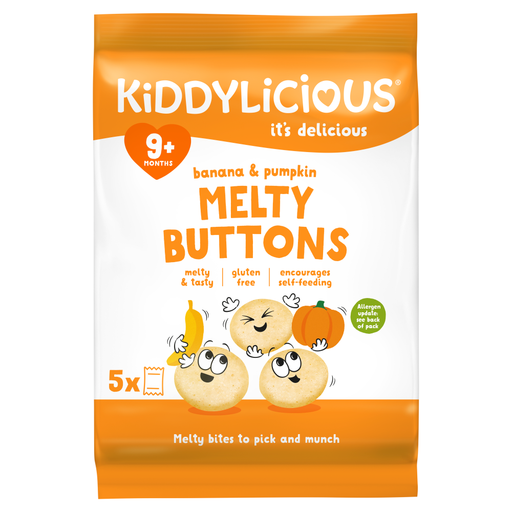
Kiddylicious Banana & Pumpkin Melty Buttons, 9+ months, 5 × 6g
A button-shaped baby snack labelled for 9+ months, rather than the start of weaning at around 6 months. Check its current age and allergen information before serving.
View on Joybuy
 No image available
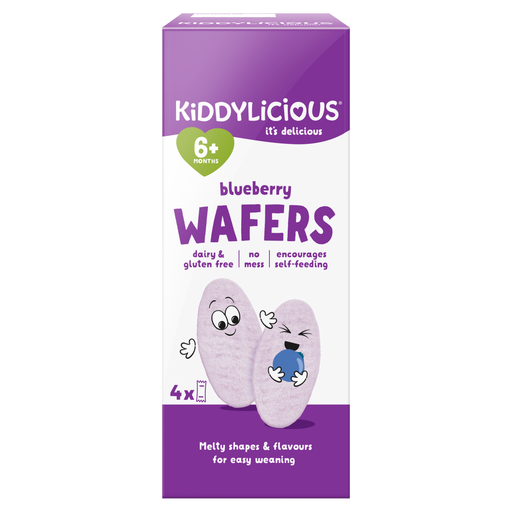
Kiddylicious Blueberry Wafers, 6+ months, 4 × 4g
A wafer snack labelled for 6+ months. Its stated milk and cereals-containing-gluten ingredients matter if either allergen is relevant; check the current pack before serving.
View on Joybuy
 No image available
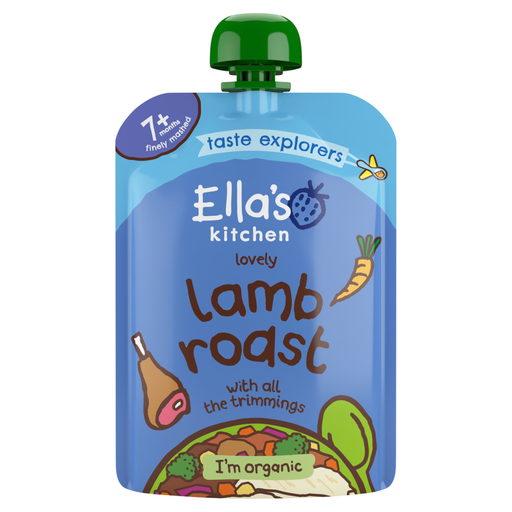
Ella's Kitchen Roast Lamb Dinner, 7+ months, 130g
A lamb meal pouch labelled for 7+ months, not a bar or finger-food snack. If the aim is to practise picking up food during baby-led weaning, its pouch format serves a different purpose; check the current pack before use.
View on Joybuy
Common questions
Are adult high-protein bars suitable for baby-led weaning?
Do not use the reviewed adult bars as a routine baby-led-weaning choice. Nature Valley, TREK, nākd. and Eat Natural list ingredients such as nut pieces or crispies in the named variants, while the NHS advises varied foods in an age-appropriate form from around 6 months.
Does a baby need a high-protein snack bar?
An adult bar is not needed to follow NHS weaning guidance. Breast milk or first infant formula remains the main source of nutrition during early weaning, and the NHS lists eggs, beans, pulses, meat and fish among protein foods that can be offered in an age-appropriate form from around 6 months.
How should I introduce peanut or other nuts?
The NHS advises introducing foods that can cause allergic reactions one at a time and in very small amounts from around 6 months, so a multi-ingredient bar is a poor way to identify a first reaction. Serve nuts and peanuts crushed or ground, rather than as whole or crunchy pieces.
What should I check on a packaged snack?
Check the current pack’s age guidance, ingredients, allergen information and the texture of the food itself before serving it. Pay particular attention to ingredients relevant to your baby, such as peanut, other nuts, milk, soya or cereals containing gluten.
Can I make an adult bar suitable by breaking it up?
Breaking a bar into smaller pieces does not remove firm nut pieces or change its ingredients. Assess the resulting texture and allergens against the baby’s stage rather than assuming that portion size makes an adult bar appropriate.


