Organisers planning a protein-led break
Compare protein per individual bar, not just the wording on the front of a multipack. Check how many bars are in each pack so the order covers the planned servings.


For a protein-led conference break, compare the amount per bar and the serving size before choosing a pack, then check the exact flavour’s ingredients and allergens. TREK states that its High Protein bar range provides 15g of plant-based protein per bar, while Nature Valley’s Protein Salted Caramel Nut bar provides around 10g per 40g bar but contains peanuts, soy, almond and milk. A vegan or gluten-free option may meet a different dietary need without being suitable for everyone with allergies.
Compare protein per individual bar, not just the wording on the front of a multipack. Check how many bars are in each pack so the order covers the planned servings.
Vegan and gluten-free descriptions answer different questions from an allergen declaration. Check each proposed flavour against the requirements collected from attendees.
Keep the current pack information available when bars are laid out or handed over. Food Standards Agency guidance says food businesses must provide consumers with allergen information for both prepacked and non-prepacked food.
Set the protein-per-bar requirement for the break, then narrow the options using attendee requirements and the way the bars will be served.
| Priority | What to check | Your needs |
|---|---|---|
| Protein per bar | Compare protein for the exact bar and its serving weight; check the nutrition table rather than relying on a protein-themed name. Confirm the number of bars needed for the planned servings. | I want each person offered a bar with a protein amount that meets the event brief, without confusing a per-100g figure with one serving. |
| Allergens and dietary fit | Read the current ingredient and allergen declaration for each flavour. Check vegan, gluten-free or dairy-free descriptions separately; confirm how allergen information will be provided at service. | Some attendees need an alternative to a peanut- or soy-containing bar. An individually wrapped bar still has to suit the person taking it. |
| Serving and pack format | Confirm the bar count and weight in the pack, whether individual bars carry the information needed at service, and the supplied stock’s best-before date and storage instructions. | I need portions that can be handed out or laid out while keeping each product identifiable and its ingredient information accessible. |
Protein amounts differ between products and ranges: Tesco lists 7.6g per 45g nākd. Peanut Butter Protein bar, while TREK states 15g per bar for its High Protein range. The TREK range figure should not be assumed to apply to every TREK flapjack.
Decide what amount per bar the catering brief calls for, then check the nutrition table and serving weight of the exact flavour being ordered.
The Nature Valley, nākd. and Eat Natural examples described by their product information contain peanuts; other declared ingredients or possible allergens vary by recipe. Vegan or gluten-free wording does not resolve a peanut, soy or other allergy requirement.
Collect attendee requirements in advance, check the current declarations for each proposed bar and arrange an appropriately checked alternative where needed.
Alpen’s November 2021 product list names protein bars, but a historical listing does not establish the specifications of a bar supplied for a forthcoming event. Recipes and pack formats also need to be checked against the goods delivered.
Confirm the current product, ingredients, allergens, nutrition, case quantity and best-before date before placing a large order.
These references describe particular ranges or flavours, not a guarantee that every bar from a brand has the same nutrition or allergen profile.
TREK offers Protein Flapjacks and a separate High Protein bar range for plant-based snack-bar selections.
Its Protein Salted Caramel Nut bar is a 40g option with around 10g protein per bar, according to Nature Valley UK.
The Peanut Butter Protein bar is a fruit-and-nut option listed by Tesco as vegan, gluten free and dairy free.
The Dark Chocolate & Peanut Protein bar combines a stated protein amount with a peanut-and-soya recipe.
Graze discusses oat-based snacks and ingredients including wholegrains, fruit and nuts.
Alpen’s November 2021 product list included protein bars; its current UK product presentation focuses on muesli.
These TREK flapjack and Nature Valley multipacks are options to compare for individually served conference snacks. Check each exact pack against the event’s protein requirement and attendee allergen needs before ordering.
 No image available
The three-bar pack gives organisers a stated 50g portion size to plan around. For a protein-led break, check this flavour’s protein per bar and current allergen declaration rather than applying the figure for TREK’s separate High Protein bar range.
 No image available
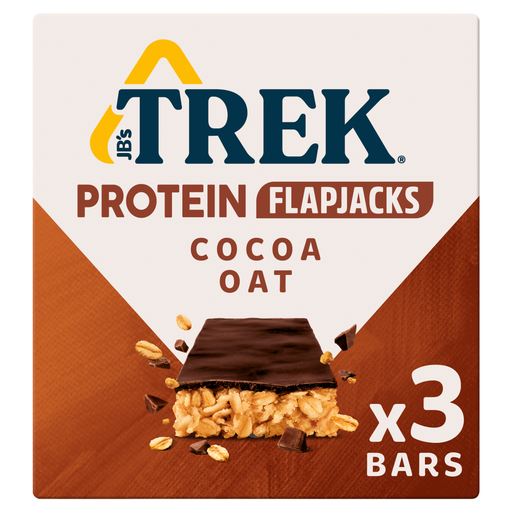
This Cocoa Oat three-bar pack is another 50g-per-bar format to assess for conference portions. Check its own nutrition and allergen information: a shared brand and pack size do not establish that two flavours have identical recipes.
 No image available
The 16-bar pack provides a stated 50g bar size for counting conference portions. Despite the product name, do not assign it the 15g figure TREK states for its High Protein bar range; check this flapjack’s own nutrition table and allergen declaration.
 No image available
This four-bar pack has a stated 40g bar size for portion planning. It is a different flavour from Nature Valley’s Salted Caramel Nut bar, so check its own protein amount, dietary description and full allergen declaration before including it in a shared snack selection.
 No image available
Nature Valley UK describes the Salted Caramel Nut flavour as providing around 10g protein per 40g bar; this pack contains four bars. Its recipe contains peanut, soy, almond and milk ingredients and may contain other tree nuts, so check attendee requirements and the current pack before service.
The condition in the UK legislation published by legislation.gov.uk is that at least 20% of the food’s energy value must come from protein for a “high protein” claim. The number of grams per bar is useful for planning a conference serving, but grams alone do not establish whether that claim’s condition is met.
No: wrapping does not make a bar suitable for someone with an allergy to one of its ingredients. Check the exact product declaration and how attendees will receive its allergen information; Food Standards Agency guidance says food businesses must provide allergen information for both prepacked and non-prepacked food.
Not necessarily. Tesco lists the nākd. Peanut Butter Protein bar as vegan, but its product information says it contains peanuts and may contain soya and other nuts. Check the declaration for the exact flavour rather than using vegan status as an allergy check.
Repacking can change which labelling requirements apply. Check how the food will be prepared, packed and offered, then use the applicable Food Standards Agency event-caterer guidance on food prepacked for direct sale alongside the current product’s ingredient and allergen information.