What to check before buying
Start with the amount in one bar, then check whether its ingredients, pack format and storage instructions fit the trip.
| Priority | What to check | Your needs |
|---|
| Camping storage |
Read the pack’s storage instructions; check whether bars are individually wrapped and can stay sealed until needed. |
I need food I can carry without relying on a fridge. The Food Standards Agency suggests considering predominantly dry foods when camping food cannot be stored sufficiently. |
| Protein per bar |
Compare grams of protein for one whole bar alongside its weight. Check a flavour-specific label before relying on a product-range figure. |
I want to know what the bar I actually pack provides, rather than compare unequal per-100g figures or front-of-pack wording. |
| Ingredients and allergens |
Read the current ingredients and allergen statement for the exact flavour. Check “may contain” warnings as well as stated ingredients. |
If someone in our group avoids peanuts, other nuts, soy, milk or gluten-containing cereals, I need to check their particular bar before packing or sharing it. |
| Whole-bar nutrition |
Compare fibre, sugars and energy per bar using the current nutrition panels, as well as protein. |
I’m packing several snacks, so I want to see the figures for each portion rather than choose on protein alone. |
| Pack size |
Check the number and weight of bars in the pack, and whether the format is convenient to carry during the day. |
A multipack needs to fit the length of my trip and the space available in my day bag. |
Brand and product-line references
These references concern the named ranges and products, not every bar sold under each brand.
TREK
TREK distinguishes its High Protein bars from its Protein Flapjacks.
- TREK states 15g plant-based protein per High Protein bar and 9g per Protein Flapjack.
- Those are range-level figures; check the chosen flavour’s nutrition panel and allergens.
Nature Valley
Its Protein Peanut & Chocolate bar offers a specified portion for comparison.
- Nature Valley lists 10.2g protein and 4.4g fibre per 40g bar and describes this flavour as gluten free.
- It contains peanuts, soy and milk and may contain tree nuts; gluten-free status does not remove those allergen concerns.
Kellogg’s
The High Protein Almond & Salted Caramel snack bar comes in a 35g portion.
- ASDA lists 9.1g protein per 35g bar.
- Check the current ingredients and allergen statement for this nut-based flavour.
Eat Natural
Its Peanuts & Dark Chocolate Protein Bar is a nut-led option.
- Eat Natural lists 7.8g protein and 2.4g fibre per 40g bar.
- It contains peanuts and soy and may contain milk and several tree nuts.
Graze
Cocoa Vanilla & Protein Flapjack is an oat-based snack to assess by its full nutrition panel.
- Tesco lists 17g fibre per 100g for this 50g flapjack.
- Tesco lists 6.3g protein per 100g, equivalent to about 3.2g per bar; check its broad “may contain” allergen statement.
Alpen
Alpen No Added Sugar is muesli, so it serves a different camping use from a bar carried in a day bag.
- Alpen lists 5.0g protein per 45g serving of this muesli.
- It needs a way to prepare and eat a bowl-based serving and contains wheat, milk and nuts.
Joybuy bar and flapjack options
These cereal bars and protein flapjacks are options to compare for portable festival snacks. Check the exact pack’s nutrition, allergens, wrapping and storage instructions before choosing.
 No image available
Nature Valley Protein Salted Caramel Nut, 4 × 40g
A four-bar pack to consider when planning portable snacks for the trip. This is the Salted Caramel Nut variant; check its own protein figure, allergen statement and storage instructions rather than applying figures from another Nature Valley flavour.
View on Joybuy
 No image available
Nature Valley Protein Peanut & Chocolate, 8 × 40g
An eight-bar pack for a trip where you want several portions of the same flavour. Nature Valley lists 10.2g protein per 40g bar and describes it as gluten free; it contains peanuts, soy and milk and may contain tree nuts.
View on Joybuy
 No image available
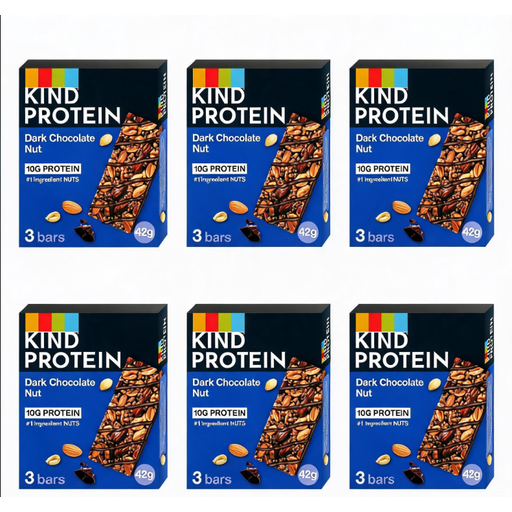
KIND Protein Dark Chocolate Nut, 3 × 42g × 6pcs
A nut-bar format to compare if you are packing multiple snacks. Confirm how this multipack is arranged, then read the exact bar’s protein declaration, ingredients and allergen warning.
View on Joybuy
 No image available
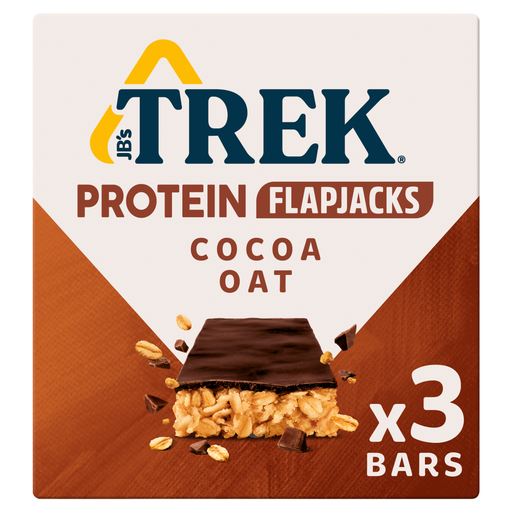
TREK Cocoa Oat Protein Flap Jacks, 3 × 50g
An oat flapjack format in a three-bar pack. TREK gives 9g protein as a figure for its Protein Flapjacks range; confirm this flavour’s per-bar figure and allergens on the current pack.
View on Joybuy
 No image available
TREK Salted Caramel Protein Flapjacks, 3 × 50g
A three-bar flapjack pack for shoppers who prefer this format to a nut bar. Check the Salted Caramel flavour’s per-bar protein, sugars and allergen statement rather than treating TREK’s range-level figures as its exact label.
View on Joybuy
Festival camping questions
Can I pack cereal bars if I will not have a fridge?
Dry packaged bars can be a practical choice when refrigeration is unreliable, provided you follow their storage instructions. The Food Standards Agency suggests considering predominantly dry foods when camping food cannot be stored sufficiently and advises keeping chilled food below 5°C.
How do I compare protein amounts in different bars?
Compare the protein declared for one whole bar alongside its weight, rather than relying on a per-100g figure or the word “protein”. TREK states 15g per bar for its High Protein range, while Eat Natural lists 7.8g for its 40g Peanuts & Dark Chocolate bar; check the exact flavour label before buying.
Does gluten free mean a bar is suitable for every food allergy?
No. Nature Valley describes its Protein Peanut & Chocolate bar as gluten free, but says it contains peanuts, soy and milk and may contain tree nuts. Check every flavour’s current ingredients and allergen statement, particularly before sharing it.
How should I keep bars at a festival campsite?
Follow the storage directions on the pack and keep unopened bars sealed until you need them. The researched Nature Valley and Kellogg’s product information calls for cool, dry storage, so consider where they will sit in your tent or day bag.


