Shoppers with a diagnosed food allergy
Start with the ingredient and precautionary allergen statements for the allergen you avoid. Protein content and flavour become useful comparisons only after that check.


Choose a protein bar by checking the exact flavour’s current ingredients and any ‘may contain’ statement against the allergen you need to avoid. Compare protein per bar only among products that pass that check: a high-protein, vegan or low-sugar description does not establish allergy suitability.
Start with the ingredient and precautionary allergen statements for the allergen you avoid. Protein content and flavour become useful comparisons only after that check.
Read the full declaration rather than relying on the vegan label. Barebells UK’s Vegan Fudge Brownie, for example, states that it may contain milk.
Once a bar meets your allergen requirements, check how much protein the stated bar or serving provides. The amount and protein source differ between the product examples from Barebells UK, Grenade, PhD and Myprotein UK.
Screen the exact bar for allergens first, then compare protein amounts and serving sizes among the options that remain.
| Priority | What to check | Your needs |
|---|---|---|
| Allergen declaration | Read the current ingredients for your named allergen. Check any ‘may contain’ or facility statement against your individual avoidance advice, and inspect the exact flavour’s wrapper before eating. | I need to know whether the bar contains my allergen or carries a relevant warning, regardless of the claim on the front of the pack. |
| Milk-based protein | Look for milk ingredients, including whey, caseinate and milk protein. Check precautionary wording even on a vegan bar: Barebells UK’s Vegan Fudge Brownie says it may contain milk. | If I avoid milk, a plant-based label alone does not settle whether this particular bar meets my requirements. |
| Peanuts, nuts and sesame | Check the flavour, ingredients and ‘may contain’ line separately. Grenade identifies peanut-containing flavours, while its Cookie Dough bar listed by Tesco Groceries may contain nuts, peanuts and sesame. | A flavour without peanuts in its name still needs a full declaration check if I avoid peanuts, tree nuts or sesame. |
| Protein per serving | Compare the stated grams of protein per bar or serving and the serving weight, but only after allergen screening. Barebells UK states 15g per Vegan Fudge Brownie bar and 20g per Cookies & Cream bar; Myprotein UK states 30g per High-Protein Bar serving. | Once I have suitable options, I can compare the amount I would get from the portion I intend to eat. |
‘High protein’, ‘low sugar’ and ‘vegan’ describe different characteristics. Barebells UK’s Vegan Fudge Brownie contains wheat and soya and states that it may contain milk, peanuts, tree nuts and sesame.
Check the exact bar’s ingredients and precautionary statement before comparing its nutrition information.
Grenade identifies some peanut-containing flavours and says several products are made in a facility handling peanuts, nuts and other allergens. A flavour name cannot tell you what its full declaration says.
Read the ingredients and any ‘may contain’ wording for the flavour you are buying.
An allergen statement for one flavour or pack should not be applied to another. Grenade advises checking the wrapper, including when older batches remain available.
Inspect a current wrapper before committing to a multipack, and check the delivered bars before eating them.
If the delivered formulation does not meet your requirements, you may be left with several bars you cannot use.
Myprotein UK states 30g of protein per serving for its High-Protein Bar, but the product contains milk protein and lists several possible trace allergens. That amount does not make it suitable for someone who must avoid those allergens.
Compare protein per serving only among bars whose current declarations meet your avoidance requirements.
These examples show why the exact product and flavour matter more than a range-wide description.
Grenade sells several protein-bar flavours. Its Chocolate Chip Cookie Dough bar listed by Tesco Groceries provides 21g of protein per 60g bar.
PhD’s Smart Bar range uses a whey-protein centre. Its UK product page states 21g or 22g of protein per 64g bar for the flavours shown.
Myprotein UK lists both conventional and vegan protein snacks. Its High-Protein Bar states 30g of protein per serving.
Barebells UK states 20g of protein for its Cookies & Cream bar and 15g for its Vegan Fudge Brownie bar.
Quest Nutrition describes its standard protein bars on its US site as dairy-based and gluten-free, with some bars providing up to 21g of protein.
Tesco Groceries lists protein bars from several brands, including peanut-containing products.
These multipacks and bars offer different flavours for protein-bar shopping. Several explicitly contain milk, soya or peanuts; check each product’s current declaration against the allergen you avoid before considering it.
 No image available
For this flavour, check the wrapper before comparing it with other protein bars. This pack contains four 60g bars; the product information identifies milk, gluten and soya as allergens.
 No image available
This multipack is not suitable for someone who must avoid milk or soya: both are declared for this flavour. Check the current wrapper for any additional precautionary allergen statements.
No image available
This flavour declares milk and soya, so it is not suitable for shoppers avoiding either allergen. The product information also warns that excessive consumption may cause laxative effects; inspect the current wrapper before use.
 No image available
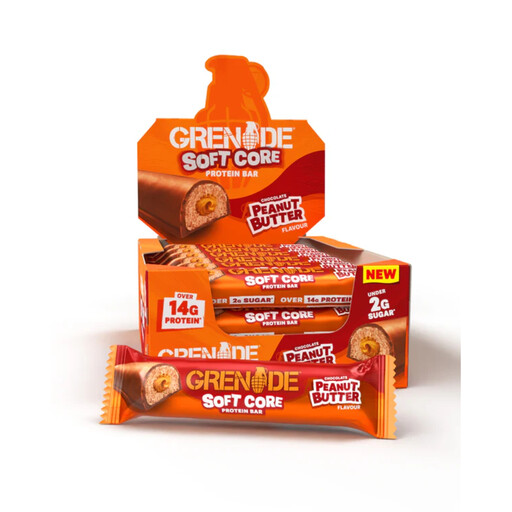
This flavour declares peanuts, milk and soya and is not suitable for shoppers avoiding those allergens. Check its current wrapper for the complete declaration, including any warnings about other allergens.
 No image available
This bar declares peanuts, soya and milk and may contain other nuts. If any of those allergens matter to you, check the current pack rather than relying on the product name or a range-level claim.
No. Protein content does not establish whether a bar meets your allergen requirements. Check the exact flavour’s ingredients and precautionary statement first, then compare protein per bar or serving among suitable options.
No. Barebells UK’s Vegan Fudge Brownie states that it may contain milk. Read the product’s current allergen declaration and apply your individual avoidance advice rather than relying on the vegan label.
The Food Standards Agency explains that precautionary allergen labelling communicates possible unintentional presence of an allergen, including through a ‘may contain’ statement. Whether a particular warning is compatible with your needs depends on your allergen and individual avoidance advice.
No. General advice can point you towards relevant ingredients or warnings, but the exact flavour and current pack need checking. Grenade advises customers to inspect the wrapper because older batches may still be available.