Carers looking for a convenient snack
If an adult protein bar looks like an easy option, start by checking whether the food suits the toddler’s age and eating skills. The NHS advises offering young children a variety of foods.


For routine toddler snack time, choose age-appropriate everyday food rather than an adult high-protein bar: NHS guidance emphasises a variety of foods for young children, and the exact product’s age warning and texture matter more than its protein claim. Grenade states that its Fudged Up bar is not suitable for children under 14; if a child needs additional protein or energy for a clinical reason, follow their clinician’s or paediatric dietitian’s individual advice.
If an adult protein bar looks like an easy option, start by checking whether the food suits the toddler’s age and eating skills. The NHS advises offering young children a variety of foods.
A child who has been advised to have additional protein or energy needs an individual food plan. Worcestershire Acute Hospitals NHS Trust discusses higher-protein and higher-energy foods for children who eat small portions; that does not establish that adult protein bars are suitable.
Check the exact snack for relevant allergens and a texture the child can manage. NHS guidance says not to give whole nuts to children under five and to supervise young children while they eat.
Start with age suitability and how the child will eat the snack, then check its ingredients. A clinical need for extra protein calls for an individual plan, not a choice based on the largest front-of-pack figure.
| Priority | What to check | Your needs |
|---|---|---|
| Age and everyday use | Read the exact pack’s age guidance and intended use. Consider how the snack fits alongside a variety of foods, as advised by the NHS. | I’m choosing a regular between-meal snack, not a product designed around an adult protein target. |
| Texture and serving | Assess size, shape, firmness and any inclusions against the child’s chewing skills. Follow NHS advice to avoid whole nuts for under-fives and supervise eating. | The snack needs to be manageable while my toddler is seated and supervised, even if it comes in a convenient pack. |
| Ingredients and allergens | Read the ingredient and allergen information for the exact flavour. Check any age, sweetener or excessive-consumption warnings rather than relying on a low-sugar claim. | If milk, soya, peanuts or tree nuts are relevant to my child, I need to check the particular product before serving it. |
| Individual nutrition advice | If a clinician or paediatric dietitian has recommended more protein or energy, follow their advice on foods, portions and texture. | My child’s poor intake or growth concern needs advice tailored to them, rather than an adult bar chosen for its protein figure. |
An adult-oriented bar can carry a warning that rules it out for a toddler. Grenade states that its Fudged Up bar is not suitable for children under 14.
Read the age guidance on the exact product and choose a snack suited to the child’s age rather than selecting by protein grams.
A bar may have firm, chewy or crunchy parts that a young child cannot manage. NHS guidance says whole nuts should not be given to children under five.
Check the food itself, choose a manageable texture and have the child sit upright while supervised.
A low-sugar claim does not tell you whether a bar contains an allergen or carries a sweetener warning. For example, Barebells lists milk, hazelnuts and soy for its Hazelnut Nougat bar.
Read the ingredient list, allergen declaration and warnings for the exact flavour each time.
These brand examples help distinguish adult protein-bar positioning from toddler snack suitability; they are not a list of bars recommended for young children.
Grenade markets Fudged Up as a protein bar for convenient snacking.
PhD positions its Smart Protein Bar as a convenient high-protein, low-sugar snack for adults.
Myprotein offers soft protein bars as part of its sports-nutrition range.
Barebells sells protein bars, including Hazelnut Nougat.
These Joybuy products are fruit, oat and yoghurt snacks to consider for routine toddler snack time, rather than adult high-protein bars. Check each exact pack and the child’s eating skills before serving.
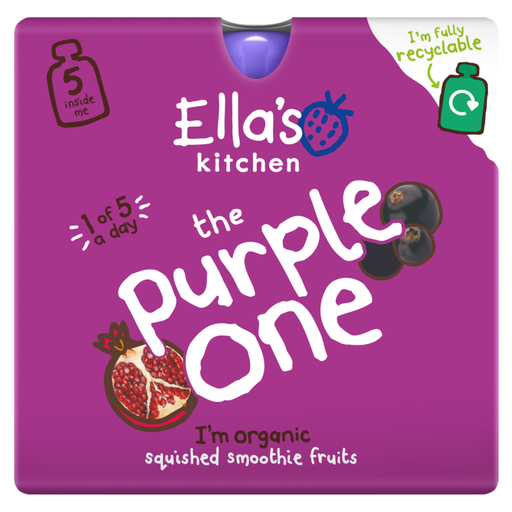 No image available
An age-labelled snack option for routine toddler snack time. Keep the cap out of reach of children under 36 months and supervise eating.
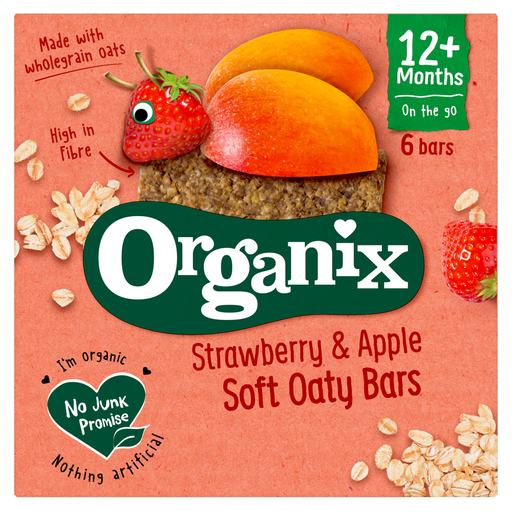 No image available
A soft oaty bar with a stated age of 12+ months for carers who want a snack in bar form. Check the pack for possible traces of tree nuts, soya and milk, and supervise eating.
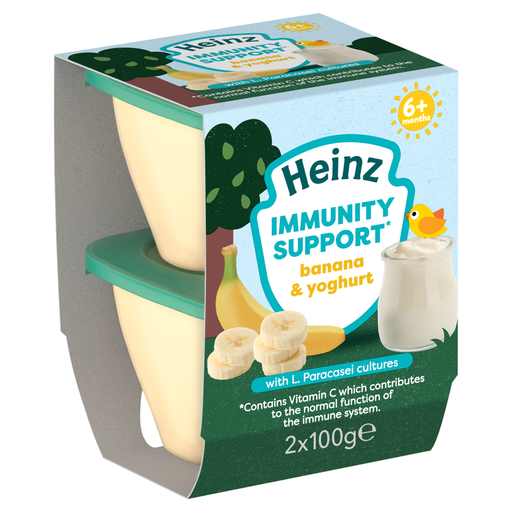 No image available
A banana and yoghurt pot with a stated age of 6+ months. It contains milk; follow the pack’s storage instructions after opening and supervise eating.
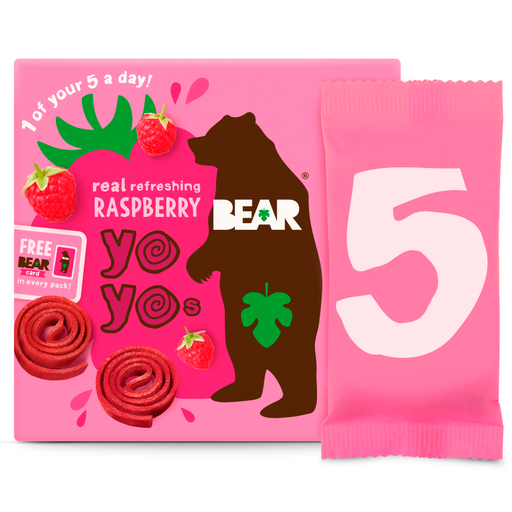 No image available
A raspberry fruit-roll option for a child who can manage its chewy texture. Assess that texture against the toddler’s eating skills and supervise them while eating.
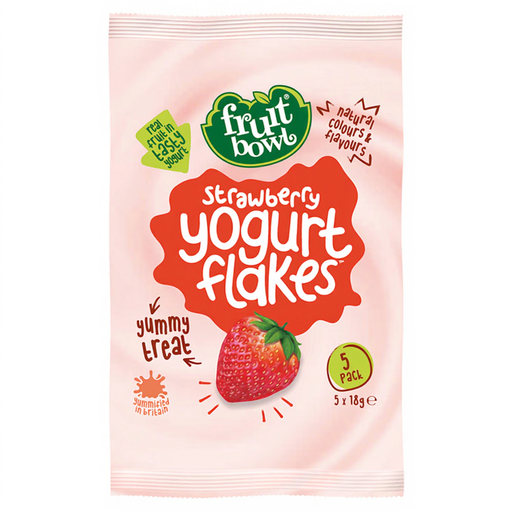 No image available
A strawberry yoghurt-flake snack to assess against the child’s age and eating skills. It contains milk and may contain nuts or peanuts; check the pack and consider its crisp and chewy texture before serving.
No. Grenade’s UK Fudged Up product information states that the bar is not suitable for children under 14.
Choose age-appropriate everyday food instead of making an adult high-protein bar the routine choice. NHS guidance emphasises variety in young children’s diets, while the adult positioning of a bar does not establish that it suits a toddler.
Check its size, shape and texture against the child’s chewing skills, and supervise them while they eat seated upright. The NHS says not to give whole nuts to children under five; inspect bars for nuts and other difficult-to-manage pieces.
No. A low-sugar claim does not establish age suitability or describe every ingredient. Check the exact bar’s age guidance, allergens, sweeteners and warnings before considering it for a child.
Follow the child’s clinician or paediatric dietitian’s individual food plan. Worcestershire Acute Hospitals NHS Trust discusses higher-protein and higher-energy foods for children who eat small portions, but that advice does not establish that commercial adult protein bars are appropriate.