
24/7 Customer Support

Free returns

Same-day & Next-day Delivery

Quality Guaranteed

Unlock Your Welcome Offers: FREE Delivery | Up to 80% OFF | Free 30-day JoyPlus trial
Download the APP
Navigating the snack aisle can feel like a workout in itself. You're looking for a convenient, healthy option to fuel your day, but you're met with a wall of bars all making bold claims. Many so-called 'healthy' options are packed with more sugar than a standard chocolate bar. Finding genuinely effective high protein bars that support your fitness goals or busy lifestyle, without the hidden downsides, requires a bit of know-how.
This guide is designed to help you cut through the clutter. We'll walk you through what to look for on the label and share some of our top recommendations to help you make a choice that works for you, whether you need a post-workout boost, a quick meal on the go, or just a smarter snack.
Before you grab the first bar you see, consider these key points. A few seconds spent reading the label can make all the difference between a helpful nutritional tool and a glorified sweet.
The primary reason for choosing a protein bar is, of course, the protein. Look for bars that provide a substantial amount, typically 15 grams or more per serving. Equally important is the sugar content. Many bars use sugar or syrups to improve taste, which can counteract your health goals. A good rule of thumb is to seek out low sugar protein bars, ideally with less than 5 grams of sugar per bar. This ensures you're getting the fuel you need without the unnecessary energy crash later.
Your goal determines the type of bar you should choose. If you're looking for post-workout food, prioritise a bar with high-quality, easily digestible protein like whey or casein to support muscle repair. If you need a convenient option for a busy day, meal replacement bars UK are a more suitable choice. These are often formulated with a balanced mix of protein, carbohydrates, fats and fibre, and are typically fortified with essential vitamins and minerals to provide a more complete nutritional profile. For those on specific eating plans, many of these also function as excellent low carb diet snacks.
Take a quick look at the ingredients. While all protein bars are processed to some degree, some are made with more recognisable components than others. Look for protein sources that align with your dietary needs, such as milk-based proteins (whey, casein) or plant-based alternatives (soy, pea). Bars that list whole foods like nuts, seeds, or oats near the top of the list can also be a good indicator of a more wholesome product.
Here are a few options that stand out for their nutritional profiles and specific uses, helping you find a bar that fits your lifestyle.
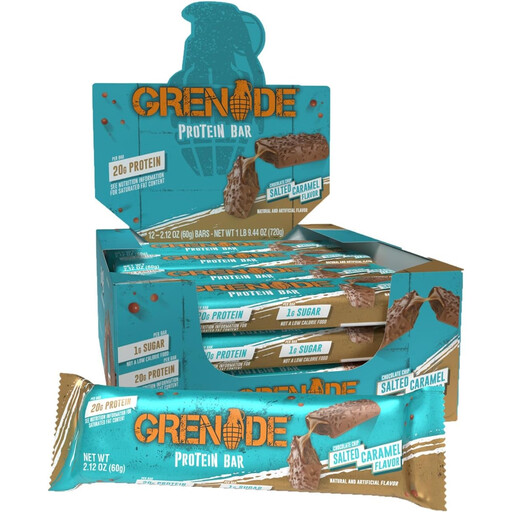
Why It Stands Out: The Grenade Carb Killa range has become a go-to for many fitness enthusiasts, and for good reason. This bar delivers a significant protein punch while keeping sugar and impact carbs exceptionally low. Its multi-layered texture, combining a soft core with a caramel layer and chocolate coating, makes it feel more like an indulgent treat than a typical, dense protein bar.
Pros:
Who is it for? This bar is ideal for gym-goers needing effective post-workout food, individuals following a low-carb or ketogenic diet and anyone looking for a satisfying, high-protein snack that doesn't compromise on taste.

Why It Stands Out: This bar is specifically designed as a meal replacement, not just a protein supplement. It's fortified with a wide array of vitamins and minerals, providing a balanced nutritional profile to help you stay on track with a calorie-controlled diet without missing out on essential nutrients.
Pros:
Who is it for? Perfect for busy professionals who might otherwise skip lunch, individuals on a structured weight management plan, or anyone in need of a convenient and nutritionally complete meal replacement bar.
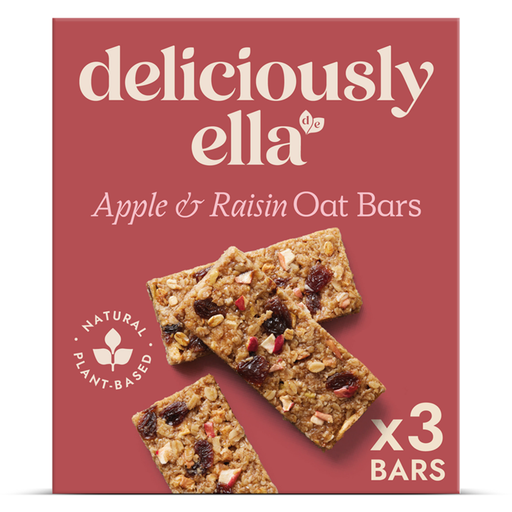
Why It Stands Out: For those who prioritise natural, plant-based ingredients, this oat bar is an excellent choice. While not a 'high protein' bar in the same category as the others, it serves as a fantastic healthy snack bar. It's made from simple, recognisable ingredients like gluten-free oats, apple and raisins, offering a wholesome energy boost.
Pros:
Who is it for? This bar is for individuals seeking a clean, plant-based snack, those with gluten sensitivities, or anyone who prefers a more natural, less-processed option to curb hunger between meals.
If these specific bars don't quite match what you're looking for, or if you'd like to explore a wider variety of flavours and nutritional profiles, there are many other choices available. From fruit-and-nut bars to other specialised protein snacks, finding the right one is about matching it to your personal taste and health objectives.
Explore our full collection of Muesli bars and other healthy snacks to find your perfect fit.
Are high protein bars a good choice for weight management? They can be a useful tool. Protein is known to increase feelings of fullness (satiety), which can help reduce overall calorie consumption. However, it's crucial to choose low sugar protein bars and incorporate them into a balanced diet. They are a convenient supplement, not a replacement for a healthy lifestyle.
When is the ideal time to eat a protein bar? This depends on your goal. For muscle recovery, consuming a bar as post-workout food within an hour of exercise is beneficial. As a healthy snack bar, it can be effective at preventing a mid-afternoon slump. If you're using a designated meal replacement bar, it can stand in for breakfast or lunch on a busy day.
Can I eat a protein bar every day? While convenient, it's important to remember that protein bars are a processed food. Prioritising whole food protein sources like lean meat, fish, eggs and legumes is always recommended. Using a protein bar daily for convenience can fit into a healthy diet, but they should be used to complement, not completely replace, whole foods. Always read the label to be aware of what you're consuming.