People keeping bars on hand for busy days
If you take a bar to work or when travelling, compare protein per bar and pack count. A larger box is useful only if its servings fit how often you expect to eat them.


Choose a protein cereal bar multipack by comparing the protein in one bar with the number of bars you expect to use, rather than judging it by box size alone. Check the exact flavour’s nutrition and allergen label before stocking up: serving weights and ingredients differ, and a protein-focused name does not tell you whether a bar meets your other requirements.
If you take a bar to work or when travelling, compare protein per bar and pack count. A larger box is useful only if its servings fit how often you expect to eat them.
Check the exact flavour and pack, not just the brand. TREK describes its bars as plant-based, while the cited TREK variety pack is labelled vegan and gluten-free; that pack’s label does not establish the labelling of every other TREK multipack.
Read the ingredients and any “may contain” statement before buying several bars at once. The cited protein-bar examples include products containing peanuts, soya, milk or almonds.
Start with the labelled serving, then check whether the pack size and exact ingredients suit the way you plan to use the bars.
| Priority | What to check | Your needs |
|---|---|---|
| Protein per bar | Read the grams of protein per bar and its serving weight. Compare the same measure across flavours and packs; the product name alone is not a serving figure. | I want to know what one bar contributes, rather than relying on the words “protein bar”. |
| Pack size | Check both bar count and weight per bar. Consider how many snack occasions the pack covers at your expected use rate. | A box I can work through is more useful to me than a larger one whose bars may go unused. |
| Other nutrition | Compare the exact flavour’s energy, sugars, saturates and fibre per bar alongside protein. Check serving weights when figures appear different. | Protein matters to me, but I also want to see what else is in the snack I am choosing. |
| Dietary suitability | Read the current ingredients, allergen statement and any vegan or gluten-free wording on the exact pack. Check “may contain” information where relevant. | If I avoid an ingredient, I need the individual product to suit me before I commit to a multipack. |
A protein-focused name does not describe the rest of a bar’s nutrition. Figures can also differ by flavour and serving weight.
Compare protein, energy, sugars, saturates and fibre for the exact bar you intend to buy.
The cited protein-bar ranges include recipes containing peanuts, soya, milk or almonds. Another flavour or pack may have a different ingredient statement.
Read the current label, including relevant “may contain” wording, before choosing a multipack.
An unsuitable recipe can leave several bars unused.
Multipacks can contain bars of different weights, and a larger count may cover more snack occasions than you actually need.
Compare bar count, serving weight and how often you expect to use the pack.
Its Protein Peanut & Chocolate Big Pack is an eight-bar cereal-bar multipack, with 40g per bar.
TREK offers protein flapjacks, including a cited variety multipack for shoppers considering a larger supply.
Its protein range includes a Peanuts, Almonds & Salted Caramel box listed as 12 x 40g.
The cited High Protein Almond & Salted Caramel cereal bars come in a smaller 4 x 35g pack.
Graze’s cited Oat Boost flapjacks are an oat-based alternative when a protein-led bar is not the main requirement.
The cited Fruit & Nut bar is a conventional cereal-bar alternative rather than a like-for-like protein-led option.
These options include nut bars, cereal bars and protein flapjacks in different multipack formats. Compare each listed pack on its own terms: the three-bar TREK packs, for example, serve a different stocking-up need from the eight-bar Nature Valley pack.
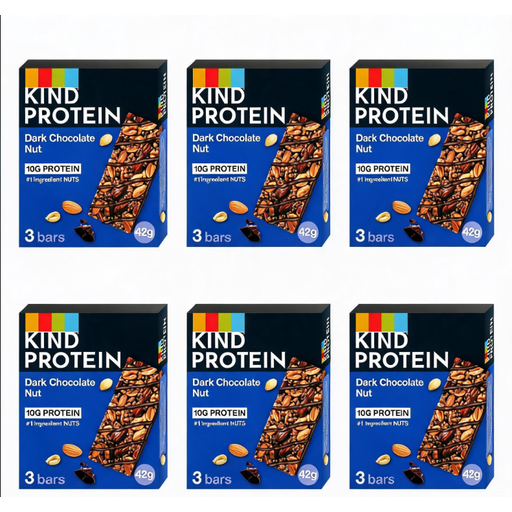 No image available
Consider this nut-bar multipack if its stated format fits your planned snack occasions. Check the pack’s per-bar nutrition and ingredients before comparing it with the cereal-bar and flapjack options.
 No image available
The eight-bar format suits a longer stock-up than the four-bar version below. Nature Valley UK describes its 40g Big Pack bar as providing around 10g protein and around 4g fibre. The cited recipe contains peanuts, soya and milk; check the current pack for complete allergen information.
 No image available
This three-flapjack pack is an option when you want fewer servings rather than a larger stock-up. TREK describes its bars as plant-based; check this Salted Caramel pack’s nutrition, dietary wording and allergen statement for your requirements.
 No image available
The 3 x 50g format may suit a short supply of Cocoa Oat flapjacks. Compare this flavour’s per-bar nutrition and label with the Salted Caramel pack rather than assuming the two recipes are identical.
 No image available
Choose between this four-bar format and the separate eight-bar Nature Valley pack according to how many bars you expect to use. Check this pack’s own per-bar nutrition and allergen label rather than assuming every detail matches the larger format.
No. Read the labelled grams of protein per bar and the serving weight to see what you would get from one snack. Cambridge University Hospitals NHS Foundation Trust notes that protein needs vary with factors including age and activity, so a product claim does not define an individual requirement.
Check the exact pack’s ingredients and allergen statement before buying. The cited Nature Valley, Eat Natural and Kellogg’s examples list combinations of peanuts, soya, milk or almonds; also read any relevant “may contain” wording on the product you choose.
No. The cited TREK variety pack is labelled vegan and gluten-free, while Nature Valley’s cited Big Pack is described as vegetarian and gluten-free but contains milk. Confirm the wording on the individual flavour and pack rather than applying one product’s label to a whole category.
Not necessarily. Compare bar count, weight per bar, protein per serving and ingredients, then consider how many bars you are likely to use. A smaller pack can be the more practical choice when you are trying a flavour or need fewer servings.