Snackers comparing protein per bar
If you want a portable afternoon snack, the protein figure for one bar is more useful for choosing a portion than a per-100g figure alone.


For an afternoon snack, compare the protein in the bar you will actually eat, then check its sugars, energy and allergen statement; a larger serving is not automatically the right choice. Holland & Barrett lists 15g protein in a 55g TREK High Protein Choc Caramel bar, while Tesco lists 10.4g in a 40g Eat Natural Peanuts, Almonds & Salted Caramel bar. Portion size, ingredients and dietary requirements can change which one suits you.
If you want a portable afternoon snack, the protein figure for one bar is more useful for choosing a portion than a per-100g figure alone.
Check the specific bar rather than assuming every nut-and-soy protein bar is vegan. TREK describes its bar range as plant-based, while the Nature Valley Peanut & Chocolate example contains milk.
Ingredients and precautionary warnings matter alongside protein. Check the pack for peanuts, tree nuts, soya, milk and gluten as relevant to your requirements.
Start with the serving you expect to eat, then compare its nutrition and full ingredient label. A front-of-pack protein claim cannot answer those questions on its own.
| Priority | What to check | Your needs |
|---|---|---|
| Protein per bar | Read protein in grams for one bar and note its serving weight. Use per-100g figures to compare concentration, not as a substitute for the portion you will eat. | I want to know how much protein my actual snack provides, whether I choose a 35g, 40g or 55g bar. |
| Other nutrition | Compare sugars, kcal, fibre and saturated fat per bar. Keep serving size alongside the figures when comparing different products. | Protein matters to me, but I also want to see what else comes in the same bar. |
| Ingredients and allergens | Read the ingredient list and any 'may contain' warning on the current pack. Assess vegan and gluten-free labels separately from other allergens. | I need a bar whose ingredients and allergen warnings fit my requirements, not just its dietary label. |
Action on Salt & Sugar’s 2025 review of 458 snack bars from 10 UK retailers classified 37% as high in sugars and 55% as high in saturated fat under UK front-of-pack thresholds. Those figures describe the wider snack-bar sample, not protein bars alone.
Read sugars, kcal and saturated fat for the individual bar alongside its protein figure.
The bars listed by Waitrose, Nature Valley, Tesco and Holland & Barrett include 35g, 40g and 55g servings. A per-100g comparison does not show how much a whole bar provides.
Put the per-bar protein and energy figures side by side first, then use per-100g values if you also want to compare concentration.
The Nature Valley Peanut & Chocolate and Eat Natural Peanuts, Almonds & Salted Caramel examples are described as gluten free but contain other allergens. The TREK Choc Caramel listing carries precautionary allergen warnings despite its plant-based positioning.
Check the complete ingredients and 'may contain' wording on the pack you receive.
Ingredients, nutrition panels and allergen wording can change. A familiar product name is not a substitute for its current label.
Use listings to narrow your options, then check the delivered pack before eating the bar.
These brand examples help distinguish bar types and serving sizes; a brand name alone does not establish the nutrition or ingredients of every flavour.
TREK describes its bars as plant-based. Its Protein Flapjacks and High Protein bars are separate ranges with different protein figures.
The UK Protein range includes Peanut & Chocolate bars in a 40g serving.
Eat Natural’s protein-bar range includes nut-based varieties such as Peanuts, Almonds & Salted Caramel.
Its High Protein Almond & Salted Caramel cereal bar offers a smaller serving than the 40g and 55g examples above.
These listings cover Nature Valley 40g cereal bars and Grenade 50g protein bars for an afternoon snack. Compare each exact flavour’s pack label before choosing; their different formats and ingredients may matter as much as the protein figure.
 No image available
A 40g cereal-bar option when you want to compare protein in a single afternoon snack. Nature Valley lists 10.2g protein and 4.4g fibre per Peanut & Chocolate bar; check the current pack for ingredients and allergen warnings.
 No image available
Another 40g Nature Valley flavour for comparing afternoon-snack portions. Check this flavour’s own nutrition panel for protein, sugars and fibre, and read its ingredient and allergen statement rather than applying figures from Peanut & Chocolate.
 No image available
This 50g protein bar is a different portion and format from the Nature Valley cereal bars. Compare its per-bar nutrition panel and check the ingredients carefully if you avoid animal-derived ingredients or particular allergens.
 No image available
Choose between this 50g flavour and other bars using the nutrition and ingredient information for the exact product. If vegetarian suitability or allergens affect your decision, check those statements on its pack.
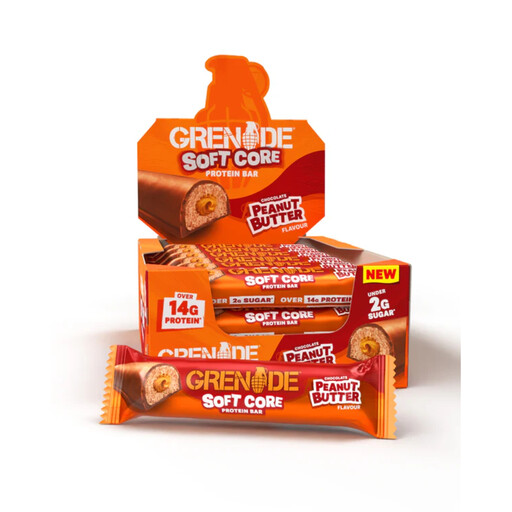 No image available
This 50g Peanut Butter variant needs its own per-bar nutrition comparison. If you avoid peanuts or other allergens, read the full ingredient list and precautionary warnings on the current pack before choosing it.
No. The claim concerns protein’s contribution to the food’s energy, rather than specifying one gram amount for every bar. Read the nutrition panel for the grams in the serving you intend to eat.
Start with protein per bar if you plan to eat one bar as your snack. The examples listed by Waitrose, Nature Valley, Tesco and Holland & Barrett have serving weights from 35g to 55g; per-100g values help compare concentration but do not show the amount in your portion.
Not necessarily. The Nature Valley Peanut & Chocolate and Eat Natural Peanuts, Almonds & Salted Caramel examples are described as gluten free but include other allergens. Check the exact bar’s full ingredients and precautionary warnings.
It signals possible unintended presence of the named allergen. The Food Standards Agency describes this as precautionary allergen labelling; if the allergen matters to you, check the warning on the pack you receive.
No. A protein claim does not describe the bar’s complete nutrition or your wider eating pattern. Compare the whole nutrition panel, serving size and ingredients rather than drawing that conclusion from protein alone.