Campers carrying ready-to-eat snacks
A bar can be eaten without cooking during a walk or a short stop. Compare the protein in one bar, its pack size and how it fits with the rest of the food you are carrying.


For a protein-led camping snack, compare the amount in a whole bar: TREK says its High Protein Bars contain 15 g of protein, Tesco lists 10 g for a Nature Valley Protein Peanut & Chocolate bar, and TREK lists 9 g for its Cocoa Oat flapjack. The vegan oat flapjack may suit a different preference from a protein-led bar, but check the exact pack’s allergens and plan other food for the trip.
The useful comparison changes with the role the bar will play in your camping food bag.
A bar can be eaten without cooking during a walk or a short stop. Compare the protein in one bar, its pack size and how it fits with the rest of the food you are carrying.
Check the exact product rather than the brand name alone. TREK states 15 g of plant protein for its High Protein Bar range, while its vegan Cocoa Oat Protein Flapjack declares 9 g per bar.
Read the ingredients and precautionary statements for the chosen flavour and multipack. A gluten-free or vegan description does not settle whether the bar is suitable for someone who must avoid peanuts, other nuts, soya or milk.
Start with the whole-bar serving, then check whether its ingredients and nutrition match the snack you intend to pack.
| Priority | What to check | Your needs |
|---|---|---|
| Protein per bar | Compare grams for one whole bar, not just per 100 g. Check the exact product line and any high-protein claim on its pack: TREK states 15 g for High Protein Bars but 9 g for its Cocoa Oat Protein Flapjack. | I’m choosing a bar chiefly for its declared protein, so I need to know what one packed serving provides. |
| Energy and format | Read kcal per bar alongside its weight and ingredients. TREK lists 227 kcal for a 50 g Cocoa Oat flapjack; Eat Natural lists 220 kcal for a 40 g Dark Chocolate & Peanut Protein Bar. These figures describe different products, not an overall nutrition verdict. | For a short stop, I want food I can eat without preparing it; for a longer trip, I need to consider the rest of my food as well. |
| Allergens and dietary claims | Check the current ingredients, “may contain” wording and any vegan or gluten-free claim for the exact flavour. TREK’s Cocoa Oat label, for example, warns that it may contain peanuts, nuts and milk. | Someone in my group may need a specifically suitable bar, rather than one chosen on its protein figure alone. |
| Other nutrition details | Compare sugars, saturated fat and fibre on the same per-bar basis. Read the ingredient list rather than treating a protein claim as a judgement about the entire product. | I want to choose what goes in my food bag using the full label, not just the number printed on the front. |
| Packing and storage | Check the multipack’s storage instructions and the condition of individual wrappers before the trip. Joybuy’s Nature Valley Protein Peanut & Chocolate 4 x 40 g listing specifies a cool, dry place away from direct sunlight. | I need a snack that I can pack and keep according to its instructions until I eat it. |
Even within TREK’s ranges, the brand states 15 g per High Protein Bar and 9 g for its Cocoa Oat Protein Flapjack. A range name is not a substitute for the chosen bar’s nutrition panel.
Compare the declared grams per whole bar and check the claim on the exact flavour you intend to pack.
Bars with different ingredients and serving sizes can also differ in energy, sugars, saturated fat and fibre. Protein content does not describe all of those differences.
Read the per-bar nutrition table and decide whether the bar is a short-stop snack or one part of a wider camping food plan.
Some of these bars contain peanuts or soya, while others carry precautionary warnings for nuts or milk. A bar suitable for one camper may not be suitable for another.
Check each person’s requirements against the current, exact pack and keep the wrappers available during the trip.
Brand names are a starting point; protein amounts and dietary statements below apply to the specified ranges or flavours.
TREK offers both High Protein Bars and oat-based Protein Flapjacks for different snack preferences.
The Protein Peanut & Chocolate bar is a compact option with a declared serving size of 40 g.
The Dark Chocolate & Peanut Protein Bar is a nut-based alternative to an oat flapjack.
Kellogg’s identifies protein bars within its Special K range; an ordinary cereal bar should not be assumed to have the same nutrition.
These Joybuy options cover nut-based protein bars and TREK oat flapjacks that could be packed as ready-to-eat camping snacks. Compare each pack’s protein declaration and dietary information before choosing.
 No image available
A nut-bar format for a ready-to-eat stop while camping. Check this flavour’s own protein declaration and allergen list rather than applying figures from the Peanut & Chocolate variety.
 No image available
The 40 g Peanut & Chocolate bar is listed by Tesco as providing 10 g of protein and as gluten-free. This Joybuy option is an 8-bar pack; check its current ingredients and allergen statements before packing it for a group.
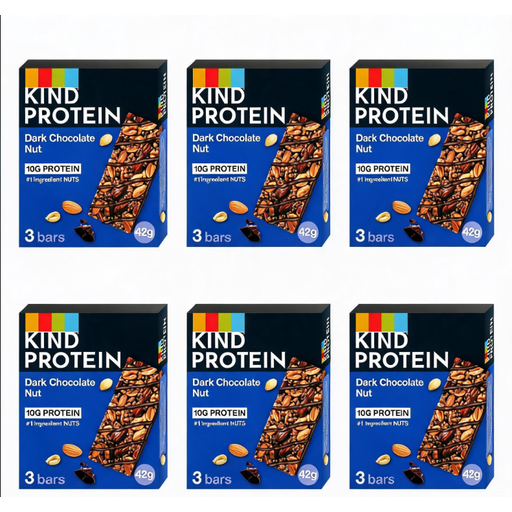 No image available
A dark-chocolate-and-nut bar format to consider for ready-to-eat snacks. Compare the current pack’s protein per bar, ingredients and allergen statements with the other options.
 No image available
An oat-flapjack format if that suits your camping snack plan. Check this Salted Caramel pack’s protein, dietary statements and allergens; figures for TREK’s Cocoa Oat flavour or High Protein Bar range do not describe it.
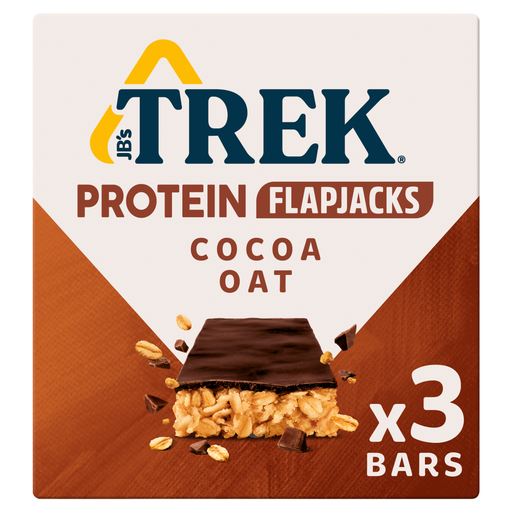 No image available
TREK describes the Cocoa Oat flapjack as vegan and declares 9 g of plant protein and 227 kcal per 50 g bar. Its label warns that it may contain peanuts, nuts and milk, so check the pack against each camper’s requirements.
No. Compare protein for the whole bar, then check its serving size, ingredients and allergens. TREK states 15 g for its High Protein Bar range but 9 g for its Cocoa Oat flapjack; they are different products that may suit different preferences.
Do not assume that one bar covers a meal. Plan food and water for the length and circumstances of the trip, using bars as one ready-to-eat option. For scale, TREK declares 227 kcal for a 50 g Cocoa Oat bar, while Eat Natural declares 220 kcal for its 40 g Dark Chocolate & Peanut bar.
Check the exact current pack for that person before including it in a shared food bag. TREK’s Cocoa Oat label warns that it may contain peanuts, nuts and milk; Eat Natural says its Dark Chocolate & Peanut bar contains peanuts and soya and may contain milk and several tree nuts.
Follow the instructions on the multipack you take. Joybuy’s listing for Nature Valley Protein Peanut & Chocolate 4 x 40 g says to store it in a cool, dry place away from direct sunlight; inspect wrappers before eating.
Check the current pack instead. Kellogg’s advises shoppers to read its packs’ ingredient lists and nutrition declarations because recipes can change; the same pack check matters when you are choosing a bar for a particular dietary requirement.