Protein-focused refreshment buyers
If you want an individually portioned bar, compare the protein amount in the bar you will offer, rather than relying on a prominent protein claim or a per-100g figure.


For a stated 15g of plant-based protein per bar, TREK’s High Protein range is worth considering; Nature Valley lists 10g for its Protein bars, while TREK lists 9g for its Protein Flapjacks. For car boot sale refreshments, the protein figure is only part of the choice: compare the exact bar’s ingredients, allergens and per-bar nutrition, and keep its packaging available when offering it to customers.
If you want an individually portioned bar, compare the protein amount in the bar you will offer, rather than relying on a prominent protein claim or a per-100g figure.
TREK describes its bars as plant-based. Check the ingredients and allergen statement for the particular flavour before adding it to a refreshment selection.
Peanuts, other nuts, milk, soya and gluten-related statements can affect which customers can choose a bar. Keep the relevant pack information accessible rather than assuming one protein bar suits everyone.
Start with the portion customers will receive, then check whether each bar’s ingredients, labelling and packaging work for the sale.
| Priority | What to check | Your needs |
|---|---|---|
| Protein per bar | Read grams of protein per individual bar and its serving size. TREK states 15g for its High Protein bars and 9g for its Protein Flapjacks; Nature Valley states 10g for its Protein bars. | I want to know how much protein is in the single bar a customer will actually receive. |
| Dietary fit | Check the exact flavour’s ingredients and any plant-based or gluten-free statement. A claim about one product range does not establish the ingredients of every bar on the table. | A plant-based or gluten-free choice matters to me, but I still need to check the particular wrapper. |
| Allergens | Read both the ingredient list and precautionary allergen statements. Joybuy’s Nature Valley Peanut & Chocolate listing identifies peanuts, soya and milk, and says it may contain nuts. | If I am offering bars to a mixed group, customers need to be able to identify ingredients they must avoid. |
| Whole-bar nutrition | Compare sugars, saturated fat, energy and portion size alongside protein on the exact pack. Use per-100g values as additional context, not as a substitute for the amount in one bar. | I want a comparison of the refreshment as served, not just the nutrient highlighted on its front. |
| Sale and display | Check whether individual wrappers carry the information customers need and retain relevant outer packaging. Confirm the organiser’s conditions and ask the relevant local authority about requirements for your intended selling activity. | I need customers to be able to inspect the food information, and I want to settle the sale arrangements before buying stock. |
A protein figure does not tell you how much sugar, saturated fat or energy the individual bar contains.
Compare the full per-bar nutrition panel and serving size before choosing between flavours or formats.
The cited Nature Valley, Kellogg’s and Eat Natural examples contain or may contain ingredients relevant to customers avoiding nuts, milk or soya. Removing the packaging makes those statements harder to check.
Keep individual wrappers and relevant outer-pack information available. Check the exact allergen statement before describing any alternative as suitable for a particular dietary need.
The cited bars have different serving sizes, so a per-100g figure alone does not show how much protein is in the bar being offered.
Compare grams of protein per individual bar first, then use per-100g information for a further comparison.
GOV.UK says very limited and infrequent activity at community events may not need food-business registration; that does not settle the requirements for a particular car boot sale. Business Companion identifies buying goods specifically to resell or selling regularly as indicators of trading in England and Wales.
Check the organiser’s conditions and ask the relevant local authority what applies to your intended activity before buying resale stock.
These range details help distinguish formats; they do not mean every product mentioned is among the Joybuy options below.
TREK states that its High Protein bars contain 15g of plant-based protein per bar and its Protein Flapjacks contain 9g per flapjack.
Nature Valley lists 10g protein and 4g fibre per bar for its Protein Peanut & Chocolate and Salted Caramel Nut variants, and describes them as gluten free.
Waitrose & Partners lists 9g protein per bar for Kellogg’s High Protein Almond & Salted Caramel, a 35g nut-based cereal bar.
Eat Natural lists 7.8g protein and 10.0g sugars in its 40g Dark Chocolate & Peanut Protein Bar.
Graze describes wholegrain oat flapjacks within its wider snack range.
Alpen’s UK product page presents a range of wholegrain mueslis.
These Joybuy options include nut-based protein bars, Nature Valley cereal bars and a TREK flapjack that could be considered for car boot sale refreshments. Compare each exact pack before deciding what to offer.
 No image available
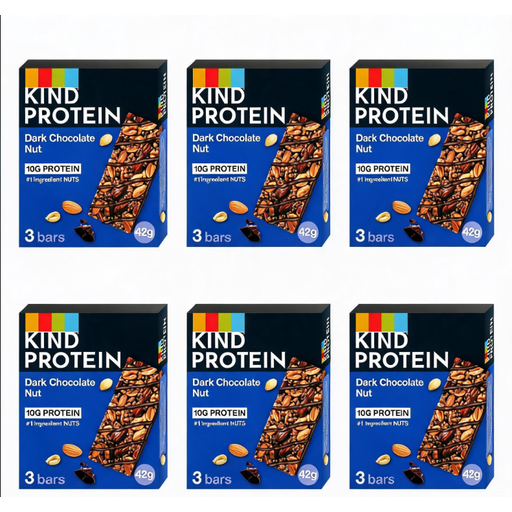
A nut-bar option for the refreshment selection. Check the exact pack’s protein per bar, ingredients and allergen statements before offering it to customers.
Pack description: 3 x 42g x 6pcs.
 No image available
Nature Valley lists this Protein variant with 10g protein and 4g fibre per bar and describes it as gluten free. Check its own ingredient and allergen statements for the customers you expect to serve.
Pack: 4 x 40g.
 No image available
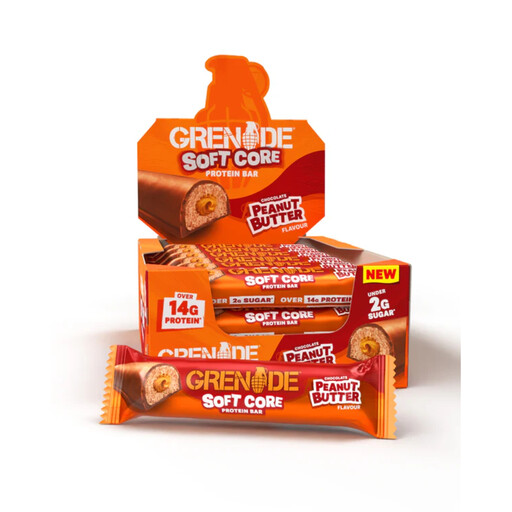
A peanut-butter-flavoured protein-bar option. Check the particular pack for protein per bar, its full nutrition panel and allergen information before selecting it for a mixed group.
Pack: 12 x 50g.
 No image available
A flapjack format to consider if customers want a plant-based bar: TREK describes its bars as plant-based and states 9g protein for its Protein Flapjack range. Check this flavour’s own nutrition and allergen statements.
Pack: 3 x 50g.
 No image available
Nature Valley lists 10g protein and 4g fibre per bar for this gluten-free Protein variant. Joybuy’s product listing identifies peanuts, soya and milk as allergens and says it may contain nuts.
Pack: 4 x 40g. Keep the relevant packaging available so customers can check the ingredient information.
No. Compare the exact bar’s protein with its sugars, saturated fat, energy, portion size, ingredients and allergens. A prominent protein figure does not answer those other buying questions.
Start with grams per bar if each customer will receive one bar. Serving sizes differ: Eat Natural lists 7.8g protein in its 40g Dark Chocolate & Peanut bar, Nature Valley lists 10g in its Protein bars, and TREK lists 15g in its High Protein bars. Per-100g figures provide additional context.
Yes. GOV.UK’s community-event food guidance recommends keeping packaging where possible so people can check ingredients and allergens. If bars come from a multipack, check what information remains on each individual wrapper and retain relevant outer-pack information.
Check with the relevant local authority for your intended activity rather than assuming an occasional sale is exempt. GOV.UK says very limited and infrequent community-event food activity may not need registration; Business Companion identifies buying goods to resell or selling regularly as trader indicators in England and Wales. The organiser may also have conditions to follow.
Follow the instructions on each product’s pack. Joybuy’s Nature Valley Peanut & Chocolate and Eat Natural Protein-Packed listings specify a cool, dry place away from direct sunlight; check other bars individually rather than applying those listings’ instructions to every product.