Organisers planning a break snack
Compare what one attendee receives from a single bar, then check whether the pack format works for serving it between sessions. Keep ingredient and allergen details accessible where snacks are offered.


For a conference break, compare protein per bar before choosing a multipack: Nature Valley UK lists 10.2g per 40g Protein Peanut & Chocolate bar, while TREK describes a plant-based High Protein range with 15g per bar. Neither figure settles the catering decision on its own. Check the exact pack’s ingredients, allergen information and serving format, and arrange a separate suitable option where attendees need one.
The right bar depends on who will be served, not just the protein figure on the front of the pack.
Compare what one attendee receives from a single bar, then check whether the pack format works for serving it between sessions. Keep ingredient and allergen details accessible where snacks are offered.
Include a plant-based option if the other bars contain milk or other animal-derived ingredients. Check the exact flavour’s current label rather than relying on a brand-wide description.
Plan around each bar’s ingredients and cross-contact warnings. A protein figure or gluten-free statement does not establish suitability for someone with a peanut, tree-nut, soya or milk allergy.
Shortlist bars by the serving attendees will actually receive, then check dietary suitability and how the snacks will be served.
| Priority | What to check | Your needs |
|---|---|---|
| Protein per bar | Read the protein amount and serving size on the exact pack. Compare per-bar figures for the snack being handed out; use per-100g figures when bar sizes differ. | I want to know what each attendee gets from one bar. Nature Valley UK lists 10.2g protein per 40g Protein Peanut & Chocolate bar; Eat Natural UK lists 7.8g per 40g Dark Chocolate & Peanut bar. |
| Allergens | Check current ingredients, emphasised allergens and any cross-contact wording for each flavour. Keep accurate allergen information available at the serving point. | Some attendees may need an alternative to a peanut- or nut-based bar. Food Standards Agency guidance says UK catering food businesses must provide allergen information for both prepacked and non-prepacked food. |
| Dietary fit | Check vegan, vegetarian and gluten-free statements on the exact product. Compare sugars and energy using the same serving basis if those figures matter to the brief. | A plant-based choice matters if vegan attendees are expected; TREK describes its bars as plant-based, but I would still check the selected flavour’s ingredients and allergen statement. |
| Serving format | Confirm the number and size of bars in the multipack, the wrapping, the current label and the best-before date before service. | For a busy break, I need enough portions and a straightforward way for attendees to identify the bar and check its ingredients. |
Names do not show what one attendee receives. Nature Valley UK lists 10.2g protein per 40g Protein Peanut & Chocolate bar, whereas Eat Natural UK lists 7.8g per 40g Dark Chocolate & Peanut bar.
Compare the protein figure and serving size on the exact packs being ordered. If the brief specifically requires a high-protein label, check the product’s current labelling rather than relying on its name.
The reviewed Nature Valley and Eat Natural bars contain peanuts and soya, with further milk or tree-nut information that matters to some attendees. UK food businesses must provide allergen information, according to Food Standards Agency guidance.
Have accurate information at the serving point, make sure staff know where to find it, and arrange a separately checked alternative for attendees who need one.
A similarly named bar or a different pack size may not carry the ingredient and nutrition details used to plan the event. This is particularly important when documenting allergens for service.
Obtain the specification for the exact pack before ordering. On delivery, check its ingredients, allergen statement, serving size and best-before date against the information prepared for attendees.
These brand examples help frame the choice; suitability still depends on the particular bar and its current label.
Its Protein Peanut & Chocolate bar provides a documented per-bar protein figure for a conference shortlist.
A plant-based route to consider when the snack selection needs a vegan option.
Its Dark Chocolate & Peanut bar is a nut-led option when that ingredient profile suits the attendee group.
An oat-based snack range to assess alongside, rather than assume equivalent to, a protein-focused bar.
These Nature Valley and KIND multipacks are options to assess for individually portioned conference snacks. Compare each exact pack on its own terms; a “protein” product name alone does not settle a high-protein brief.
 Image unavailable
A 4 x 40g pack to consider when protein per individually served bar is central to the brief. Nature Valley UK lists 10.2g protein per 40g Peanut & Chocolate bar. The reviewed bar contains peanuts, soya and milk and may contain tree nuts; check the pack’s current allergen statement before serving.
 Image unavailable
Another 4 x 40g multipack to assess for portioned conference breaks. Check its own nutrition panel when comparing protein per bar. The product information identifies peanuts, almonds, milk and soya as ingredients, so confirm the current allergen statement and provide another option where needed.
 Image unavailable
The 8 x 40g pack offers a different pack count for planning portions. Check the delivered pack’s nutrition and ingredient details rather than assuming every pack variant has identical labelling. The product information identifies peanuts, soya and milk and warns that it may contain tree nuts.
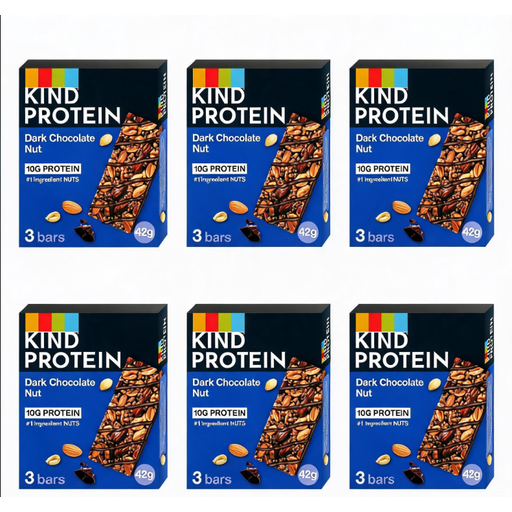 Image unavailable
A nut-bar multipack to compare with the cereal-bar options if that format suits the break. Read its exact pack for protein per bar and dietary information; do not use the word “Protein” in the name as the comparison figure. The product information identifies peanuts, almonds and soya and warns that it may contain milk.
No. Check protein per bar and the stated serving size on the exact pack. Nature Valley UK lists 10.2g per 40g Protein Peanut & Chocolate bar, while Eat Natural UK lists 7.8g per 40g Dark Chocolate & Peanut bar.
Do not rely on it as the sole option for attendees with differing allergy needs. Nature Valley UK lists 10.2g protein per 40g bar, but the reviewed bar contains peanuts, soya and milk and may contain tree nuts. Check its current label and arrange a separately verified alternative where needed.
Yes. Food Standards Agency guidance says UK catering food businesses must provide allergen information for prepacked as well as non-prepacked food. Keep the current packaging or accurate product information available so attendees can check the bar they are offered.
No. A plant-based description does not establish allergen suitability. TREK describes its bars as plant-based; check the chosen flavour’s current ingredients, declared allergens and cross-contact wording separately.
Use protein per bar to see what one attendee receives, alongside the bar’s serving size. Per-100g figures can help compare differently sized products, but they should not be mistaken for the amount in an individual conference snack.