People with diabetes who count carbohydrate
A portable snack needs a usable carbohydrate figure for the amount actually eaten. Diabetes UK advises looking at total carbohydrate rather than assuming a protein claim establishes suitability.


Compare total carbohydrate for the bar you will eat before choosing by its protein or low-sugar claim. Tesco lists 12g protein and 6.9g carbohydrate per 44g TREK High Protein Choc Caramel bar, while Nature Valley lists 7.1g protein and 9.8g carbohydrate per 36g Protein + Fibre Chocolate & Orange bar. Those are different protein-and-fibre options, not a guarantee that either fits an individual diabetes plan.
A portable snack needs a usable carbohydrate figure for the amount actually eaten. Diabetes UK advises looking at total carbohydrate rather than assuming a protein claim establishes suitability.
If protein matters to your snack choice, compare grams per bar alongside total carbohydrate, sugars and portion size. A lower sugars figure does not replace the total carbohydrate figure.
Check the exact flavour’s ingredients and allergen statement as well as its protein figure. Nut, soya, milk and wheat ingredients, and precautionary statements, may affect which bar you can choose.
Start with the nutrition declaration for one bar, then compare protein, fibre and ingredients across the exact flavours you are considering.
| Priority | What to check | Your needs |
|---|---|---|
| Total carbohydrate | Read carbohydrate grams per bar, not only per 100g. If you will eat more than one bar, account for the amount actually eaten; Diabetes UK identifies total carbohydrate as important when planning food with diabetes. | I need to know how much carbohydrate my snack contains, even if the pack emphasises protein or low sugar. |
| Protein and fibre | Compare grams per individual bar and note the bar size. Tesco lists 12g protein and 12g fibre per 44g TREK High Protein Choc Caramel bar; Nature Valley lists 7.1g protein and 6.5g fibre per 36g Protein + Fibre Chocolate & Orange bar. | Protein matters to me, but I may also want to compare fibre. I would choose using the whole nutrition panel rather than either figure alone. |
| Sugars and flavour | Read sugars alongside total carbohydrate on the exact flavour. Tesco lists 1.8g sugars and 6.9g carbohydrate per 44g TREK Choc Caramel bar; Decathlon UK lists 12g sugars and 23g carbohydrate per 50g TREK Biscoff Protein Flapjack. | A familiar brand name is not enough for me to assume two flavours have the same nutrition values. |
| Ingredients and allergens | Read the current pack’s ingredients, emphasised allergens and any precautionary statement. The Food Standards Agency says allergens present in prepacked food must be emphasised in its ingredients list. | If I need to avoid an ingredient, its presence matters regardless of the bar’s protein and carbohydrate figures. |
Protein grams do not tell you the bar’s total carbohydrate. Diabetes UK says the total carbohydrate consumed has the biggest effect on glucose levels after eating.
Compare the full nutrition declaration for the bar you intend to eat, including carbohydrate, sugars, protein and fibre.
Bars come in different sizes, so a per-100g comparison does not by itself show the carbohydrate in your snack.
Find the per-bar figure or calculate it from the label and bar weight. If you use a carbohydrate-counting plan agreed with your diabetes team, use the amount you will actually eat.
The listed TREK Choc Caramel bar has 6.9g carbohydrate per 44g bar according to Tesco; Decathlon UK lists 23g per 50g TREK Biscoff Protein Flapjack. These are different products and portions.
Check the flavour, bar weight and current nutrition declaration when buying or reordering.
A nutrition comparison cannot establish whether a bar meets an ingredient restriction.
Read the ingredients and any precautionary allergen statement on the exact pack, including when you have bought the brand before.
These examples show why the exact product and portion matter more than the brand name when comparing protein bars and cereal bars.
TREK sells both High Protein bars and Protein Flapjacks; their labelled values should be compared by flavour and portion.
Its Protein + Fibre and Protein Peanut & Chocolate bars offer different nutrition profiles.
The Cocoa Vanilla Oat Boosts flapjack is an oat-snack comparison rather than an equivalent high-protein choice.
The Special K Red Berry bar provides a conventional cereal-bar comparison, not a substitute for checking a high-protein bar’s label.
These protein bars and multipacks are options for comparing portion size, carbohydrate information and ingredients. Check the current label for the particular flavour against your own requirements.
 No image available
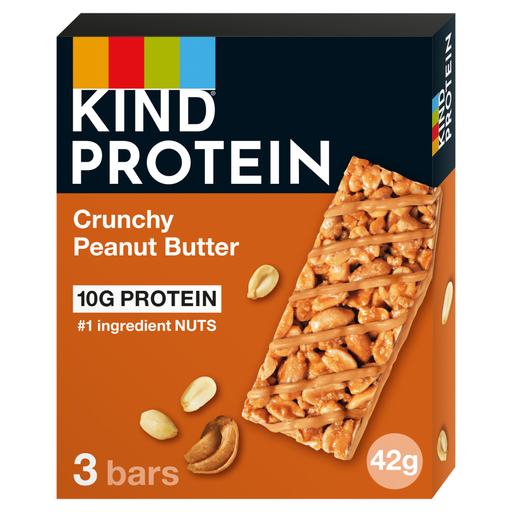
For this peanut-butter flavour, compare the carbohydrate declaration for one 42g bar with the portion you plan to eat. Check the current ingredients and allergen statement if you need to avoid peanuts, soya or other nuts.
 No image available
If you want a 50g protein bar, check this flavour’s total carbohydrate per bar as well as its sugars figure; one cannot stand in for the other. Read the current pack’s milk and soya allergen information.
 No image available
Use the Golden Caramel label when comparing carbohydrate for a 50g bar, rather than assuming it matches Double Chocolate. Check the current ingredients if milk or soya is a concern.
 No image available
Check total carbohydrate for one Peanut Butter bar if you are planning a snack by portion. Its flavour makes the current peanut allergen information especially important to read, alongside any milk and soya declarations.
 No image available
The low-sugar wording does not tell you this 60g bar’s total carbohydrate, so read both figures on the current label. Check the ingredients and allergen statement, including milk, soya and gluten-containing cereals if relevant to you.
No: a protein claim does not establish how much carbohydrate the bar contains or whether its portion fits an individual plan. Diabetes UK advises paying attention to total carbohydrate; read the figure for the amount you will eat.
Check both, but do not substitute sugars for total carbohydrate. Diabetes UK explains that front-of-pack traffic-light labelling does not show total carbohydrate, so use the detailed nutrition declaration and its per-portion figure where available.
Use the carbohydrate amount for the portion you actually eat within the method agreed with your diabetes healthcare team. Diabetes UK says insulin-to-carbohydrate ratios are individual; a bar label does not provide an insulin dose.
Yes. A comparison about sugars does not replace the bar’s total carbohydrate figure. Nature Valley lists 9.8g carbohydrate per 36g Protein + Fibre Chocolate & Orange bar; check that value against the portion and plan relevant to you.
Read the exact pack’s ingredients and any precautionary allergen statement before choosing a bar. The Food Standards Agency says allergens present in prepacked food must be emphasised in the ingredients list; do not assume another flavour or a previous pack has the same formulation.