Football viewers comparing protein per snack
If you plan to eat one bar during a match, start with protein per bar rather than a protein-led name. Compare the portion’s sugars, saturated fat and calories alongside it.


For a football-watching snack, compare protein per bar, then check the same pack’s sugars, saturated fat, portion size and allergens: a protein claim does not describe the whole bar. TREK states that its High Protein range provides 15g plant-based protein per bar, while Nature Valley UK lists 10.2g per 40g Protein Peanut & Chocolate bar; the right choice also depends on the exact flavour and your dietary requirements.
If you plan to eat one bar during a match, start with protein per bar rather than a protein-led name. Compare the portion’s sugars, saturated fat and calories alongside it.
TREK describes its bars as plant-based and its Protein Flapjacks as a vegan, gluten-free option. Check the dietary claims and allergen statement on the exact flavour you intend to buy.
Nature Valley Protein Peanut & Chocolate and Eat Natural Peanuts & Dark Chocolate contain peanuts and soya, with further allergen declarations to consider. Read the selected pack rather than using protein content to judge suitability.
Start with the bar you would actually eat during the match. Use per-100g figures as well when comparing bars of different sizes.
| Priority | What to check | Your needs |
|---|---|---|
| Protein per bar | Read the grams for one bar and its weight. TREK states 15g per bar for its High Protein range and 9g per bar for its Protein Flapjacks; Nature Valley UK lists 10.2g per 40g Protein Peanut & Chocolate bar. | I’m eating one bar during the match, so the amount in that portion matters more to me than a protein-led name. |
| Rest of the nutrition panel | Compare sugars and saturated fat per 100g, then check calories and nutrients per bar. The NHS describes more than 22.5g sugars or 5g saturated fat per 100g as high. | I want to see what else comes with the protein in the portion I plan to eat. |
| Ingredients and allergens | Check the exact pack’s ingredients, dietary claims and any ‘may contain’ statement. Nature Valley UK lists peanuts, soya and milk for its Protein Peanut & Chocolate bar and warns of possible tree nuts. | If I avoid an ingredient, a brand-wide description cannot replace the declaration for my chosen flavour. |
| Portion size | Check whether the individual bar is 40g, 42g or 50g. Use per-bar figures for your snack and per-100g figures for a like-for-like nutrition comparison. | A larger bar changes the portion I’m comparing, even when both packs describe one bar as a serving. |
A protein-led bar can also contain substantial sugars or saturated fat. Eat Natural UK lists 24.9g sugars and 14.1g saturated fat per 100g for its Peanuts & Dark Chocolate Protein Bar; both exceed the NHS thresholds for a high amount.
Compare the per-100g nutrition panels, then check the figures for the bar you intend to eat.
Nature Valley Protein Peanut & Chocolate contains peanuts, soya and milk and may contain tree nuts. Eat Natural Peanuts & Dark Chocolate contains peanuts and soya and carries further possible-allergen warnings.
Read the ingredients and precautionary allergen statements on the exact pack each time you buy.
The named Nature Valley and Eat Natural bars are 40g each, while the researched TREK Lotus Biscoff Protein Flapjack is 50g. Per-bar figures therefore describe different-sized portions.
Use per-bar protein for the snack you will eat and per-100g figures to compare nutrition on a common basis.
Alpen confirms that several of its historical bar products are no longer made. A familiar range name alone does not identify the bar or its current recipe.
Confirm the exact flavour, pack size and nutrition panel before choosing.
These brand examples help identify product lines to check; the nutrition and allergen declaration for an individual flavour remains decisive.
TREK states that its High Protein bars contain 15g plant-based protein per bar and its Protein Flapjacks contain 9g per bar.
Nature Valley UK lists 10.2g protein and 4.4g fibre per 40g Protein Peanut & Chocolate bar.
Eat Natural UK lists 7.8g protein per 40g Peanuts & Dark Chocolate Protein Bar.
Graze presents Oat Boost flapjacks as a lower-sugar cereal-bar option in its own brand material.
Kellogg's presents protein bars within its Special K snack range.
Alpen lists its current products separately from several historical bars that it says are no longer made.
These Joybuy options include nut-and-chocolate protein bars and TREK oat protein flapjacks for a football-watching snack. Compare the exact pack’s protein, nutrition and allergens before choosing.
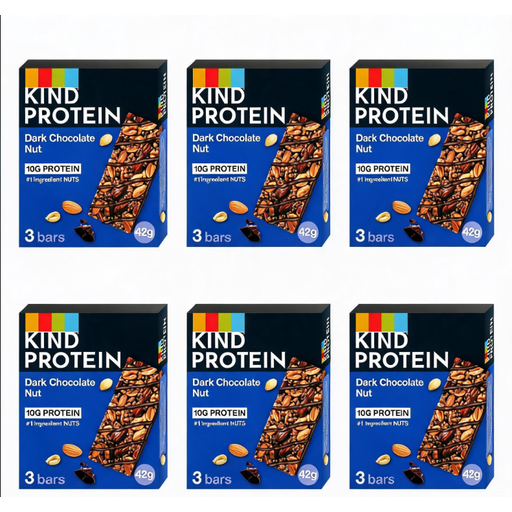 No image available
A dark-chocolate-and-nut bar for an individually portioned match snack. The listed bars are 42g each; check the pack’s protein figure and allergen declaration, particularly if you avoid nuts or soya.
 No image available
For a peanut-and-chocolate bar with a stated protein amount, Nature Valley UK lists 10.2g protein per 40g bar. The manufacturer says this product is gluten-free; it contains peanuts, soya and milk and may contain tree nuts. Check the selected pack’s full nutrition panel.
 No image available
A salted-caramel-and-nut alternative in 40g bars. Check this flavour’s own protein and nutrition figures rather than applying those of Nature Valley’s Peanut & Chocolate bar; read its allergen declaration too.
 No image available
A 50g oat-flapjack format if you prefer it to a nut bar. TREK describes its Protein Flapjacks as plant-based; check this salted caramel flavour’s protein, sugars, saturated fat and allergen statement on the pack.
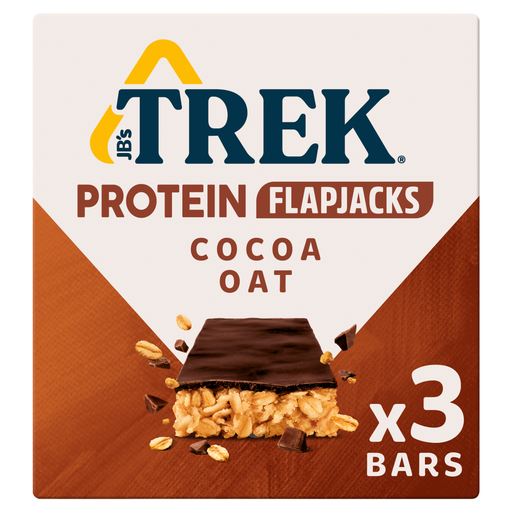 No image available
A cocoa-and-oat option in 50g bars. TREK describes its Protein Flapjacks as plant-based; use this flavour’s pack to confirm its protein per bar, other nutrition figures and allergen declaration.
Start with the grams in the whole bar you plan to eat, then check its weight. TREK states 15g per bar for its High Protein range and 9g per bar for its Protein Flapjacks; Nature Valley UK lists 10.2g per 40g Protein Peanut & Chocolate bar. Use per-100g figures when comparing bars of different sizes.
No. Compare sugars, saturated fat, salt and calories as well as protein. The NHS describes more than 22.5g sugars or 5g saturated fat per 100g as high; Eat Natural UK lists 24.9g sugars and 14.1g saturated fat per 100g for its Peanuts & Dark Chocolate Protein Bar.
Choose an exact product that carries the dietary claim you need. Nature Valley describes its Protein Peanut & Chocolate bar as gluten-free and vegetarian, while TREK describes its Protein Flapjacks as vegan and gluten-free. Check the current pack for the selected flavour.
Read both the ingredients and any ‘may contain’ statement on the exact pack. Nature Valley Protein Peanut & Chocolate contains peanuts, soya and milk and may contain tree nuts; Eat Natural Peanuts & Dark Chocolate contains peanuts and soya and carries further possible-allergen warnings.
Use both: per-bar figures describe the portion you intend to eat, while per-100g figures put differently sized bars on a common basis. Where front-of-pack traffic-light labels are shown, GOV.UK says they can help compare nutrients including saturated fat, sugars and salt.