Gym-goers packing a snack for after training
If a meal will not be convenient, compare the protein in the whole bar you intend to carry. Check its ingredients and allergens as well as the number on the front of the pack.


For a gym-bag cereal bar, compare protein per whole bar, then check its ingredients, allergens and wider nutrition label. Nature Valley Protein Peanut & Chocolate provides 10.2g protein per 40g bar, while the specified TREK Biscoff flapjack and Kellogg's Almond & Salted Caramel bar provide 9g and 9.1g respectively. If you plan to eat shortly before training, timing and the balance of carbohydrate and fat matter too; a protein-focused bar is not automatically the right pre-workout snack.
If a meal will not be convenient, compare the protein in the whole bar you intend to carry. Check its ingredients and allergens as well as the number on the front of the pack.
TREK describes its bars as plant-based, and its specified Biscoff flapjack is vegan. Check the exact flavour's ingredients and precautionary allergen statement before choosing it.
When you will eat matters alongside protein content. University College London Hospitals NHS Foundation Trust advises considering carbohydrate, protein and minimal fat 60–90 minutes before training; closer to exercise, it suggests faster-acting carbohydrate.
Start with the portion you will eat, then check whether the bar fits your training time and dietary requirements.
| Priority | What to check | Your needs |
|---|---|---|
| Protein per bar | Compare grams in the whole bar or stated serving, not just per 100g. Nature Valley UK lists 10.2g per 40g Peanut & Chocolate bar; Tesco lists 9.1g per 35g Kellogg's Almond & Salted Caramel bar. | I want to know how much protein the snack I actually carry provides, rather than relying on fitness-themed packaging. |
| Training time | Check carbohydrate and fat as well as protein. University College London Hospitals NHS Foundation Trust advises carbohydrate, protein and minimal fat for a snack 60–90 minutes before training, and faster-acting carbohydrate 15–30 minutes beforehand. | If I am eating close to a session, I need to choose for that timing rather than pick a bar solely for its protein figure. |
| Ingredients and allergens | Read the exact flavour's ingredient list and precautionary allergen statement. Nature Valley's specified bar contains peanut, soy and milk; Tesco identifies the TREK Biscoff flapjack as vegan, while the product information identifies wheat and soya among its ingredients. | A vegan or gluten-free description does not answer every ingredient or allergy question I may have. |
| Full nutrition label | Compare sugars, fat and fibre on the same per-bar basis. Nature Valley UK lists 11.3g fat and 6.8g sugars per 40g Peanut & Chocolate bar; Tesco lists 9.5g fat and 8.4g sugars per 35g Kellogg's bar. | I want to see what accompanies the protein, particularly if I plan to eat the bar before exercise. |
Weetabix Cereals lists 1.7g protein per 28g Alpen Fruit & Nut bar, compared with 10.2g per 40g Nature Valley Protein Peanut & Chocolate bar according to Nature Valley UK. The portions differ, but the per-bar figures show why the label matters.
Compare the protein in the whole bar you will eat before treating a conventional cereal bar as a protein-focused snack.
University College London Hospitals NHS Foundation Trust advises a snack with carbohydrate, protein and minimal fat 60–90 minutes before exercise, and faster-acting carbohydrate 15–30 minutes beforehand. Nature Valley UK lists 11.3g fat in its specified Peanut & Chocolate bar.
Check when you expect to eat and compare the full label; do not assume a higher protein figure settles a close-to-session choice.
The specified TREK Biscoff flapjack is vegan but contains wheat and soya, while Nature Valley's specified gluten-free Peanut & Chocolate bar contains peanut, soy and milk.
Read the current pack for the exact flavour, including its precautionary allergen statement.
A product listing can retain nutrition information even when the item cannot currently be ordered; retailer listings for the specified Kellogg's bar showed unavailable or out-of-stock messages.
Check the current listing and pack size before choosing a multipack for your gym bag.
Its Protein Peanut & Chocolate cereal bar provides 10.2g protein and 4.3g fibre in a 40g bar, according to Nature Valley UK.
TREK describes its bars as plant-based. Tesco lists 9g protein for the specified Biscoff Protein Flapjack.
Tesco lists 9.1g protein per 35g High Protein Almond & Salted Caramel bar.
Its Fruit & Nut bar is a conventional cereal-bar comparison: Weetabix Cereals lists 1.7g protein per 28g serving.
Graze offers Oat Boost flapjacks for shoppers considering an oat-based snack alongside protein-focused bars.
These options include Nature Valley cereal bars and Grenade soft-core protein bars. If you specifically want a cereal bar, check the product type before comparing the packs.
 No image available
A cereal-bar option for comparing protein in the portion you carry. Nature Valley UK lists 10.2g protein per 40g Peanut & Chocolate bar; this flavour contains peanut, soy and milk.
 No image available
A nut-bar flavour in a pack of four 40g bars. Compare its per-bar protein and allergen label with the Peanut & Chocolate version rather than assuming the flavours have identical nutrition.
 No image available
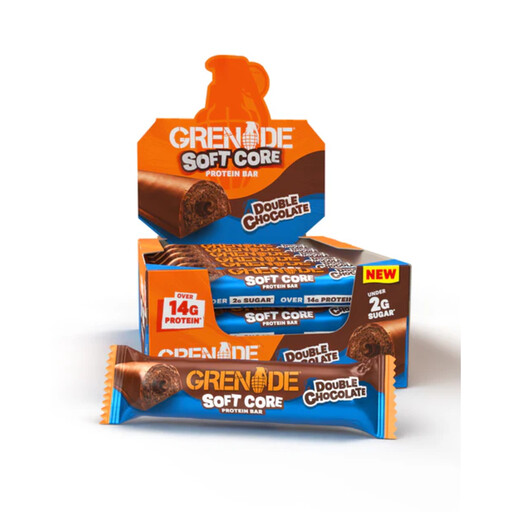
This Double Chocolate soft-core protein bar is not a cereal bar. If that format appeals, compare the nutrition and ingredients for the 50g bar with the cereal-bar options.
 No image available
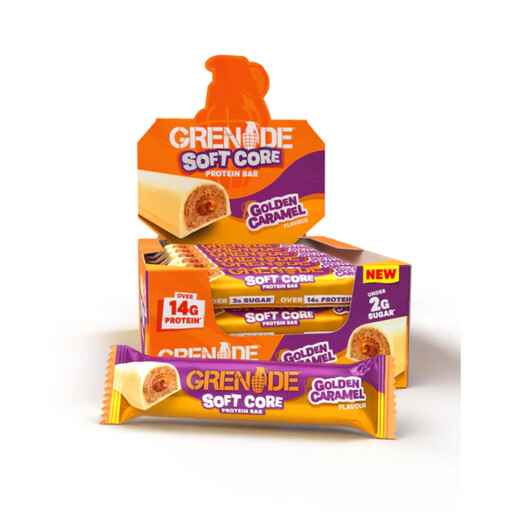
A Golden Caramel soft-core protein bar rather than a cereal bar. Check the exact flavour's per-bar nutrition and ingredients if you are choosing between formats.
 No image available
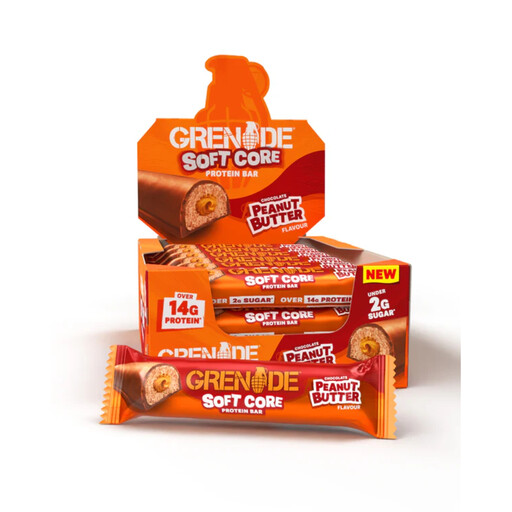
This Peanut Butter variant is a soft-core protein bar, not a cereal bar. Read its own ingredient and allergen statement rather than relying on another flavour's label.
For this nutrition claim, the legislation.gov.uk text sets a condition that at least 20% of the food's energy value comes from protein. The Department of Health and Social Care's February 2024 information sheet explains that relevant EU nutrition rules were retained as UK law from 1 January 2021. The claim does not tell you the grams in the bar you will eat, so check the portion on the nutrition label too.
Do not choose one on protein content alone. University College London Hospitals NHS Foundation Trust advises carbohydrate, protein and minimal fat for a snack 60–90 minutes before training; for 15–30 minutes beforehand, it suggests faster-acting carbohydrate. Check the bar's full label against when you plan to eat it.
Nature Valley UK lists 10.2g per 40g Protein Peanut & Chocolate bar. Tesco lists 9.1g per 35g Kellogg's High Protein Almond & Salted Caramel bar and 9g per 50g TREK Biscoff Protein Flapjack. These figures compare the specified products, not every bar from those brands.
No: those descriptions do not cover every allergen. The specified Nature Valley gluten-free bar contains peanut, soy and milk; the specified vegan TREK Biscoff flapjack contains wheat and soya. Check the current pack's ingredient and precautionary allergen statements for the exact flavour.