Commuters and office workers
When breakfast needs to travel with you, compare the protein in a whole bar as well as its portion size and nutrition label. A figure per 100g alone does not tell you what one bar provides.


For a portable breakfast, compare the protein in one whole bar before choosing by the wording on the front of the pack. Nature Valley states 10g per 40g Peanut & Chocolate bar, while TREK states 9g per Protein Flapjack; the right choice also depends on the exact bar’s ingredients, allergens and full nutrition label.
When breakfast needs to travel with you, compare the protein in a whole bar as well as its portion size and nutrition label. A figure per 100g alone does not tell you what one bar provides.
Protein amounts differ across cereal-bar and flapjack formats. Nature Valley states 10g per Peanut & Chocolate bar, TREK states 9g per Protein Flapjack, and Eat Natural lists 7.8g per Dark Chocolate & Peanut bar.
If you need a vegan or gluten-free option, check the claim for the exact flavour. TREK describes its Protein Flapjacks as plant-based, while Nature Valley and Eat Natural identify gluten-free products; neither description replaces a check of ingredients and allergens.
Start with the amount in the bar you would actually eat, then use the full label to compare nutrition and ingredient fit.
| Priority | What to check | Your needs |
|---|---|---|
| Protein per bar | Read the grams of protein per whole bar and its weight. Use per-100g figures when comparing bars of different sizes. | For a breakfast I can take with me, I want to know how much protein the bar I will eat provides—not just what the front of the pack calls it. |
| Full nutrition label | Compare sugars, saturated fat and salt on the same per-100g basis, then check the amount per bar. Look at fibre too if it matters to your choice. | Protein is only one part of my decision. I want to see how the rest of the nutrition declaration compares with other bars I am considering. |
| Ingredients and allergens | Check the exact flavour’s ingredients, emphasised allergens and any precautionary allergen statement. Assess vegan and gluten-free claims separately. | If I avoid peanuts, other nuts, soya, milk or gluten, a general protein or plant-based description cannot answer whether this particular bar fits my requirements. |
| Breakfast format | Check the number and size of bars in the pack, and compare one bar with the portion you intend to take. | On a rushed morning, I need a bar that is practical to carry and a clear idea of what one serving contains. |
The stated amounts differ: Nature Valley lists 10g per Peanut & Chocolate bar, TREK lists 9g per Protein Flapjack, and Eat Natural lists 7.8g per Dark Chocolate & Peanut bar.
Compare grams per whole bar first. If bar sizes differ, use the per-100g figures for a second comparison.
Bars with a stated protein amount can also differ in sugars, saturated fat and salt. The protein figure alone cannot show those differences.
Read those values on a common per-100g basis, then check the amount in the bar you plan to eat.
Nature Valley’s Peanut & Chocolate product lists peanuts, soya and milk, according to its Joybuy product information. Eat Natural’s Dark Chocolate & Peanut product contains peanuts and soya and lists possible cross-contact with milk and several tree nuts.
Read the current ingredients and allergen information for the exact flavour. A gluten-free or plant-based description does not establish suitability for a different allergen requirement.
Weetabix listed Alpen Protein Bar variants in November 2021, while Kellogg’s Special K Protein launch material describes an earlier range. Neither establishes the formulation of a bar you can buy now.
Check the current pack’s product name, nutrition declaration and ingredients before using an older listing to make a choice.
A familiar brand name does not tell you the protein amount or ingredients of every bar in its range; compare the exact product.
Nature Valley’s Protein range includes Peanut & Chocolate bars. The brand states 10g protein and 4g fibre for this product.
TREK describes its Protein Flapjacks as plant-based and states 9g protein per bar.
Eat Natural’s Dark Chocolate & Peanut Protein Bar lists 7.8g protein per 40g bar.
Graze offers oat-based snacks and describes plant protein and fibre among the attributes of its wider range.
Kellogg’s lists 1.4g protein per 27g serving for its Special K Red Berry Bar. It has also published material about a Special K Protein line.
A Weetabix product list from November 2021 named Alpen Protein Bars in Chocolate and Berries variants.
These cereal-bar, nut-bar and flapjack options fit the portable-breakfast format. Compare the exact variant’s per-bar nutrition and ingredients before choosing.
 No image available
The 40g bar size gives you a defined serving to compare for a breakfast on the go. Check this Salted Caramel Nut variant’s protein declaration and ingredients on the current pack.
 No image available
For comparing protein in one portable serving, Nature Valley states 10g protein and 4g fibre per Peanut & Chocolate bar. Joybuy’s product information lists peanuts, soya and milk; check the current pack’s allergens and full nutrition declaration.
 No image available
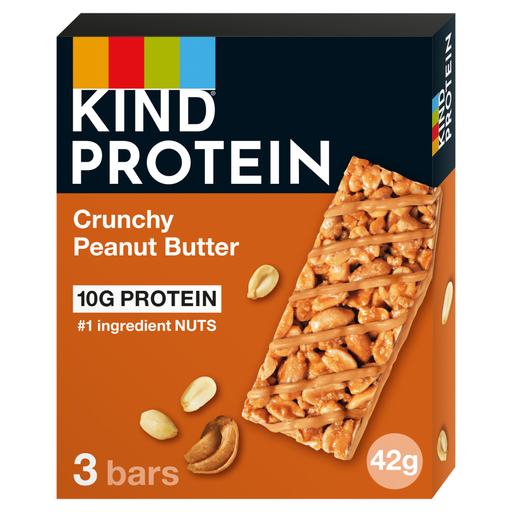
This peanut-butter variant comes as 42g bars. If you are comparing it for a quick breakfast, check protein per bar alongside the ingredient and allergen information for this variant.
 No image available
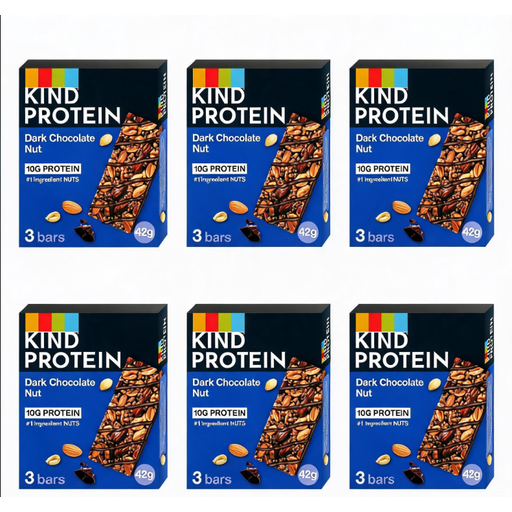
The stated 42g bar size lets you check what one serving provides. Compare this Dark Chocolate Nut variant’s protein, other nutrition values and allergen information on its current label.
 No image available
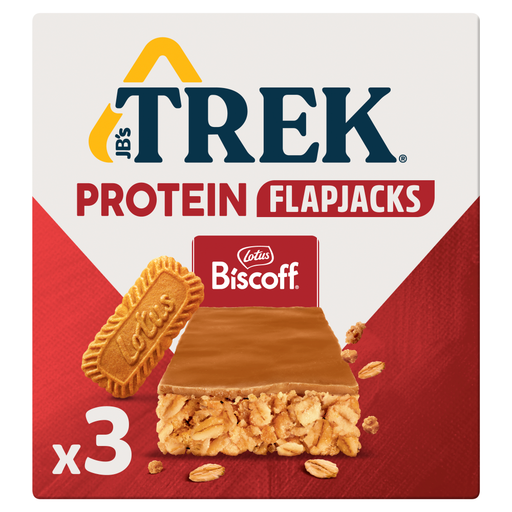
For a flapjack-format breakfast, compare the nutrition for one 50g bar with the other options. TREK describes its Protein Flapjacks as plant-based; check this Biscoff pack’s protein amount, ingredients and allergen information for your requirements.
Use both: protein per bar tells you the amount in the serving you would eat, while per 100g gives you a common basis for comparing differently sized bars. Check the serving weight so you do not mistake a per-100g figure for the amount in one bar.
No. Check the protein amount for one whole bar, then read the sugars, saturated fat and salt values and the ingredient list. The NHS recommends using nutrition labels to compare pre-packed foods.
That depends on the exact bar’s current ingredients and allergen statement. Joybuy’s information for Nature Valley Protein Peanut & Chocolate lists peanuts, soya and milk; Eat Natural’s Dark Chocolate & Peanut product contains peanuts and soya and lists possible cross-contact with milk and several tree nuts. Do not use a protein or gluten-free claim as a substitute for the allergen information.
No. Plant-based and gluten-free describe different requirements. TREK describes its Protein Flapjacks as plant-based, but you still need to check the selected flavour’s current label for gluten and other allergens.