What to compare before buying
Start with the portion you will eat, then check the rest of that bar’s nutrition panel and whether its ingredients fit everyone who may use the multipack.
| Priority |
What to check |
Your needs |
| Protein per bar |
Read the protein amount for one complete bar and note its weight. Nature Valley UK lists 10.2g per 40g Peanut & Chocolate bar; TREK lists 9g per 50g Cocoa Oat bar. |
I want to know how much protein is in the portion I will actually eat, not just the amount shown per 100g. |
| Other nutrition values |
Compare sugars, fibre, energy and saturated fat for the same portion. TREK lists 14g sugars and 227 kcal per Cocoa Oat bar; Nature Valley UK lists 6.9g sugars and 196 kcal per Peanut & Chocolate bar. |
If I am buying bars to eat regularly, protein alone will not tell me how the two portions differ. |
| Ingredients and allergens |
Read the current ingredient list and any precautionary allergen wording for the exact flavour. A vegan or gluten-free label answers a different question from whether a bar may contain peanuts, nuts or milk. |
Everyone who might eat the multipack needs a bar that fits their ingredient and allergy requirements. |
| Fibre and format |
Check fibre per bar alongside protein and portion size. Nature Valley UK lists 5.9g fibre and 7g protein in its 36g Protein + Fibre Coconut & Almond bar; TREK lists 2g fibre and 9g protein in its 50g Cocoa Oat flapjack. |
I may prefer a smaller bar or a flapjack, but I want to compare what each complete portion provides. |
| Pack choice |
Check the number and weight of bars in the multipack, then read the nutrition and allergen panel for that specific product. Do not transfer figures from another flavour or pack without checking. |
Before adding several packs to my weekly basket, I want to know which bar and serving size the label describes. |
Brand ranges to consider
These brand examples show why the exact bar and flavour matter; a brand’s inclusion here does not mean every bar in its range has the same nutrition or ingredients.
Nature Valley
Its Peanut & Chocolate protein bar and Coconut & Almond Protein + Fibre bar offer different balances of protein, fibre and portion size, according to Nature Valley UK.
- Peanut & Chocolate lists 10.2g protein per 40g bar; Coconut & Almond lists 7g protein and 5.9g fibre per 36g bar.
- Check the exact flavour’s allergens: the Peanut & Chocolate bar contains peanut, soya and milk, while Coconut & Almond also contains wheat and barley.
TREK
The Cocoa Oat protein flapjack is a 50g, oat-based option labelled vegan and gluten free by TREK.
- TREK lists 9g protein and 2g fibre per Cocoa Oat bar.
- The same bar lists 14g sugars per serving and may contain peanuts, nuts and milk.
Eat Natural
Eat Natural lists several nut-led protein-bar flavours. Its Dark Chocolate & Peanut bar is one specific option to compare by serving.
- Eat Natural UK lists 7.8g protein and 2.4g fibre per 40g Dark Chocolate & Peanut bar.
- That bar contains peanuts and soya, may contain milk and several tree nuts, and lists 10g sugars and 5.6g saturates per bar.
Graze
Graze Oat Boost is an oat-flapjack range to consider if that format appeals; check protein on the specific pack when protein per bar is the deciding factor.
- Tesco Groceries lists 116 kcal and 2.7g sugars per 30g Cocoa Vanilla Oat Boost serving.
- Compare its per-bar protein with the other bars in your basket before choosing it for a protein-focused shop.
Kellogg’s
Special K Red Berry provides a standard cereal-bar comparison rather than a substitute figure for every Kellogg’s snack.
- Kellogg’s UK lists nutrition for a complete 27g Red Berry bar, including 1.4g protein, 2.1g fibre and 104 kcal.
- The listed ingredients include barley, oats, milk, soya and wheat; check the current pack for the product you choose.
Alpen
Alpen is a familiar cereal-bar name, but a particular older bar reference is not a substitute for the nutrition panel of a current product.
- Alpen’s product FAQ provides a way to distinguish several former bar varieties from its current product list.
- Check a current listing and the exact pack before relying on a particular bar’s protein amount or ingredients.
Cereal-bar multipacks on Joybuy
These multipacks cover Nature Valley protein bars, TREK flapjacks and a KIND nut bar for a weekly basket. Compare each pack’s serving information and allergens before choosing a quantity.
 No image available
Nature Valley Protein Peanut & Chocolate Bars, 4 × 40g
A four-bar pack to consider when comparing protein per individually wrapped portion. Nature Valley UK lists 10.2g protein for its 40g Peanut & Chocolate bar; check this multipack’s nutrition panel and its peanut, soya and milk allergen wording before buying.
View on Joybuy
 No image available
Nature Valley Protein Salted Caramel Nut Bars, 4 × 40g
This four-bar pack offers a different Nature Valley flavour for a weekly basket. Check its own per-bar protein, sugars and fibre figures rather than applying the Peanut & Chocolate figures to it, and read the pack’s nut, soya and milk allergen information.
View on Joybuy
 No image available
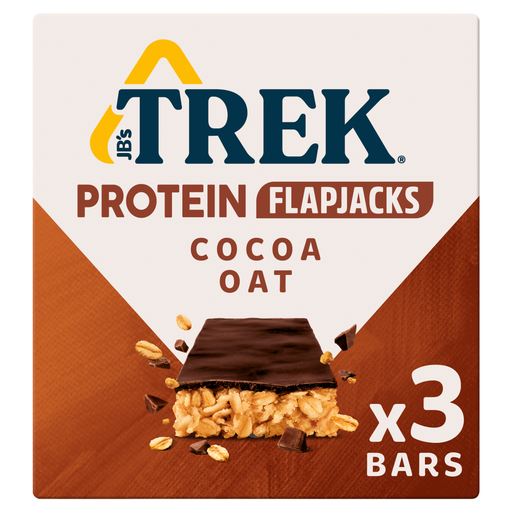
TREK Cocoa Oat Protein Flapjacks, 3 × 50g
A three-pack for shoppers who prefer a 50g flapjack. TREK lists its Cocoa Oat bar as vegan and gluten free, with 9g protein and 14g sugars per bar; check the multipack label, including its possible peanut, nut and milk cross-contact wording.
View on Joybuy
 No image available
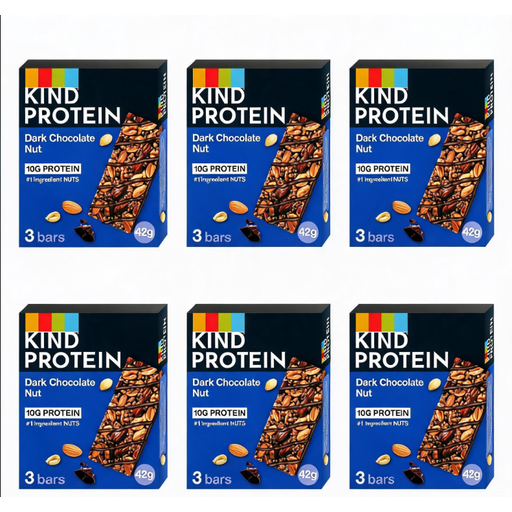
KIND Protein Dark Chocolate Nut Bars, 6 × 3 × 42g
This larger nut-bar multipack contains six packs of three 42g bars. Compare its per-bar nutrition with smaller multipacks before stocking up, and check the label for peanuts, almonds, soya and precautionary allergen wording.
View on Joybuy
 No image available
TREK Salted Caramel Protein Flapjacks, 3 × 50g
Another three-pack of 50g flapjacks for shoppers comparing flavours and portions. Read the Salted Caramel pack’s own protein, sugars and fibre values rather than using Cocoa Oat’s figures, and check its soya and other allergen information.
View on Joybuy
Questions about protein cereal bars
How can I compare protein cereal bars of different sizes?
Compare protein in one whole bar and note its weight. Nature Valley UK lists 10.2g protein in a 40g Peanut & Chocolate bar, while TREK lists 9g in a 50g Cocoa Oat flapjack; those are different portions, so check the other per-bar nutrition values too.
Does the bar with the most protein suit every weekly shop?
No single protein figure settles the choice. Nature Valley Peanut & Chocolate provides 10.2g per bar according to Nature Valley UK, but contains peanut, soya and milk; TREK Cocoa Oat is labelled vegan and gluten free, though its pack warns of possible peanut, nut and milk cross-contact. Compare the ingredients and whole-bar nutrition against the requirements of the people who will eat them.
Can a vegan cereal bar still be unsuitable for someone with an allergy?
Yes. TREK labels Cocoa Oat vegan, but says it may contain peanuts, nuts and milk. The Food Standards Agency explains that precautionary allergen wording indicates possible unintended allergen presence, so check the exact pack rather than relying on its vegan label.
Does gluten free mean an oat bar is suitable for an oat allergy?
No. The Food Standards Agency says a gluten-free label concerns gluten content, while oat still needs to be identified as an allergen in its own right. Check the ingredients for oats if oat allergy is the concern.


