For protein per bar among the five products compared here, TREK lists 15g in its 55g Choc Caramel bar, while Nature Valley lists 10.4g in its 40g Salted Caramel Nut bar and describes that product as gluten-free. Their portions, ingredients and allergen statements differ, so compare the whole label rather than protein alone. A bar can be part of a portable lunch, but its protein content does not make it a complete meal.
Who might choose these bars?
People eating between journeys or commitments
An individually portioned bar is easy to carry when lunch time is short. Compare protein per bar and decide what other food you will need alongside it, rather than treating every cereal bar as equivalent.
Shoppers looking for a plant-based option
TREK distinguishes its 15g-protein High Protein bars from its 9g-protein Protein Flapjacks. Check the particular flavour and pack: a plant-based recipe does not settle questions about gluten or precautionary allergen warnings.
People checking gluten and allergens
A gluten-free description does not mean a bar is free from nuts, milk or soya. Read the current ingredients and may-contain statement for the exact product before choosing it for a dietary restriction.
What should you compare?
Start with the portion you would actually eat, then compare its nutrition panel and ingredient statement with the role the bar will play in your lunch.
| Priority |
What to check |
Your needs |
| Protein per bar |
Check grams per bar and bar weight, not just figures per 100g. The compared portions weigh 35g, 40g, 50g or 55g; their listed protein amounts are not interchangeable. |
I want to know how much protein is in the bar I will carry, without mistaking a larger portion for the same-sized snack. |
| Fibre and sugars |
Read both values per bar alongside protein. TREK lists 15g fibre and 2.2g sugars in its 55g Choc Caramel bar; its 50g Cocoa Oat flapjack lists 2g fibre and 14g sugars. |
Protein matters to me, but I also want to compare the fibre and sugars in the flavour I am buying. |
| Ingredients and allergens |
Check the exact pack’s ingredients, dietary description and may-contain statement. For example, Nature Valley describes its Salted Caramel Nut bar as gluten-free, but its product information lists peanuts, almonds, soya and milk. |
If I avoid an ingredient, I need the current label to address that restriction; a vegan or gluten-free description alone is not enough. |
| Place in lunch |
Consider the bar’s portion and what else you plan to eat. The NHS Eatwell Guide describes food-group balance over a day or week, rather than judging a meal by a protein claim. |
A bar may fit into a short lunch break, but I do not want to assume it replaces everything else I would eat at lunch. |
Common buying mistakes
-
Treating “high protein” as a complete-lunch description
Protein is only one aspect of the food you eat. The NHS Eatwell Guide considers the mix of foods across a day or week; a bar’s protein figure cannot establish that it is a complete lunch.
Choose the bar for the role you need it to play, then consider whether to bring other lunch components, such as fruit or vegetables.
-
Comparing only the per-100g figure
The bars compared here come in different portion sizes, from 35g to 55g. A per-100g value does not tell you how much is in one wrapped bar.
Compare protein, fibre, sugars and energy per bar first, using per-100g figures when you want an additional comparison between products.
-
Using “vegan” and “gluten-free” as allergen shortcuts
These descriptions answer different questions. TREK’s vegan Choc Caramel bar carries may-contain warnings for cereals containing gluten, nuts, milk and sesame; Nature Valley’s gluten-free Salted Caramel Nut bar contains nuts, soya and milk.
Check the current ingredient list and allergen statement for the exact flavour and pack each time suitability matters.
-
Choosing a multipack by its front-of-pack description alone
Flavour, bar weight and pack count distinguish products that otherwise have similar names. Nutrition information can also differ between product versions.
Before ordering, confirm the flavour, number and weight of bars, current nutrition panel, allergen statement and availability on the final product page.
Brand and range references
TREK
TREK distinguishes its plant-based High Protein bars from its Protein Flapjacks; the stated protein amount depends on the range and flavour.
- TREK lists 15g protein and 15g fibre per 55g Choc Caramel High Protein bar.
- That bar contains a sweetener and carries may-contain warnings for cereals containing gluten, nuts, milk and sesame. TREK’s Cocoa Oat flapjack has a different nutrition panel.
Nature Valley
Its Protein Salted Caramel Nut bar is a 40g nut-based option that Nature Valley describes as gluten-free.
- Nature Valley’s nutrition panel lists 10.4g protein and 4.3g fibre per Salted Caramel Nut bar.
- The product contains peanuts, almonds, soya and milk; its gluten-free description does not address those allergens.
Kellogg's
Its High Protein Almond & Salted Caramel bar uses a smaller 35g portion.
- A Tesco Groceries listing gives 9.1g protein per 35g bar.
- The same listing gives 1.2g fibre and 8.4g sugars per bar and lists peanuts, almonds, milk and soya among the ingredients.
Eat Natural
Its Peanuts & Dark Chocolate protein bar is a nut-led 40g option.
- Eat Natural lists 7.8g protein and 2.4g fibre per bar.
- The product page lists 10g sugars per bar, peanuts and soya in the ingredients, and possible milk and tree-nut presence.
Graze
Graze’s Oat Boost range offers an oat-flapjack format for shoppers comparing different kinds of portable bar.
- A Tesco Groceries listing describes Cocoa Vanilla Oat Boost as suitable for vegans and gives 116 kcal per boost.
- Check the particular product’s protein per bar if protein is the deciding factor; the Oat Boost description alone does not give a comparable amount.
Alpen
Alpen Fruit & Nut is an oat-and-wheatflake cereal bar, rather than a specific high-protein choice in this comparison.
- Weetabix Cereals describes its Fruit & Nut bar as made with rolled oats and multigrain wheatflakes.
- If choosing primarily for protein, check the nutrition panel of the particular Alpen bar rather than relying on the brand or cereal-bar format.
Joybuy product options
These listings cover Nature Valley nut-based Protein bars, a KIND nut bar and TREK flapjacks for a portable lunch-time snack. Compare each exact pack with your protein, ingredient and portion requirements; this product selection is separate from the five-product comparison discussed above.
 No image available
Nature Valley Protein Salted Caramel Nut Bars, 4 × 40g
A portioned nut bar to consider when protein per bar and gluten-free labelling matter. Nature Valley’s Salted Caramel Nut nutrition panel lists 10.4g protein per 40g bar; check the current pack for its full nutrition and allergen statement, including peanuts, almonds, soya and milk.
View on Joybuy
 No image available
Nature Valley Protein Peanut & Chocolate Cereal Bars, 8 × 40g
The eight-bar pack provides individually portioned 40g bars for lunches across several days. If protein or gluten-free suitability is decisive, confirm the figures and wording for this Peanut & Chocolate variant; check its current allergen statement for peanuts, soya, milk and possible tree-nut presence.
View on Joybuy
 No image available
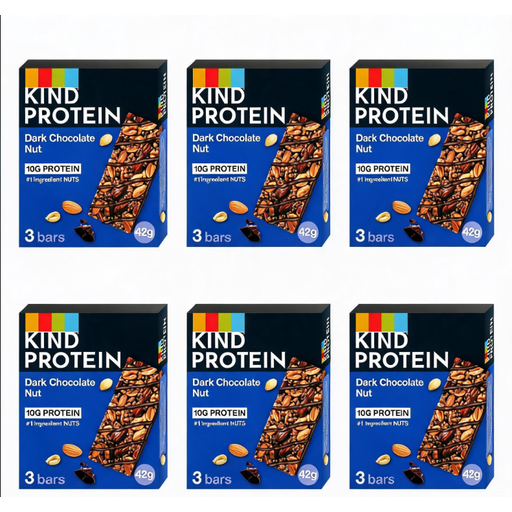
KIND Protein Dark Chocolate Nut Bars, 3 × 42g × 6pcs
A nut-bar format with 42g portions. Check protein per bar on the current nutrition panel before comparing it with other options, and read the ingredient and allergen statement if peanuts, almonds, soya, milk or other nuts affect your choice.
View on Joybuy
 No image available
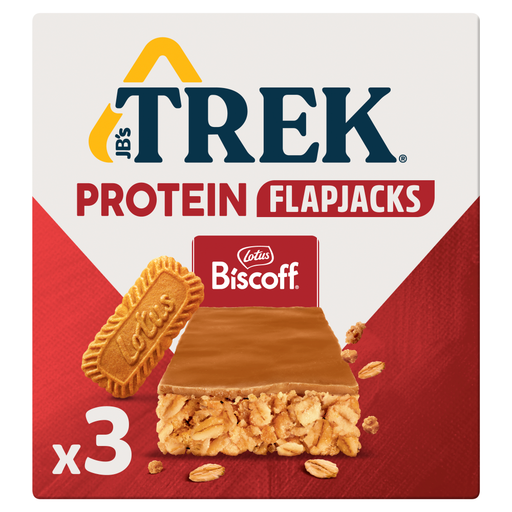
TREK Biscoff Flapjack, 3 × 50g
This 50g flapjack format may suit someone choosing an oat-based bar for a journey. It is described as vegan, but contains wheat and soya; check the current pack for protein, fibre, sugars and its full allergen statement rather than applying figures from another TREK flavour.
View on Joybuy
 No image available
TREK Salted Caramel Protein Flapjacks, 3 × 50g
A three-pack of 50g flapjacks for someone who prefers an oat-based lunch-time bar. The product is described as vegan and gluten-free; confirm those statements, its protein, fibre and sugars per bar, and its soya declaration on the current pack.
View on Joybuy
Questions about lunch-time bars
Can a high-protein cereal bar replace lunch?
Not automatically: a protein figure does not describe everything in a meal. The NHS Eatwell Guide considers a variety of foods in appropriate proportions over a day or week, so decide what else you need with the bar rather than treating its front-of-pack claim as a complete-lunch assessment.
How do I check a bar if I avoid nuts, milk or soya?
Read the current pack’s ingredients and allergen statement for the exact flavour, including any may-contain wording. The products discussed here have different declared ingredients and precautionary warnings; a protein or gluten-free description cannot establish suitability for another restriction.
Does vegan mean gluten-free, or gluten-free mean dairy-free?
No. TREK describes its Choc Caramel bar as vegan but warns that it may contain cereals containing gluten and milk. Nature Valley describes Salted Caramel Nut as gluten-free, while listing milk among its ingredients. Check the particular pack for the restriction that matters to you.
How should I store bars for a lunch on the go?
Follow the instructions on the individual pack. Nature Valley and Eat Natural advise storing the products discussed here in a cool, dry place; use the pack for its best-before information as well.


