Parents with disrupted meal routines
An easy-to-open snack can bridge the time until a meal. Imperial College Healthcare NHS Trust advises regular, simple meals and snacks for parents expressing milk while caring for a baby.


For a ready-to-eat snack between meals, compare protein per whole bar with fibre, sugars, energy and allergens rather than choosing by the front-of-pack claim alone. NHS guidance recommends a varied diet while breastfeeding, and Imperial College Healthcare NHS Trust says eating more protein does not increase the protein in breast milk. A cereal bar can be convenient, but it does not replace a meal.
A bar is most useful as something ready to eat between meals, particularly when caring for a baby makes food preparation difficult.
An easy-to-open snack can bridge the time until a meal. Imperial College Healthcare NHS Trust advises regular, simple meals and snacks for parents expressing milk while caring for a baby.
A protein figure can help you compare bars as snacks, but it is not a measure of milk production. Imperial College Healthcare NHS Trust states that eating more protein does not increase the protein in breast milk.
If you need to avoid particular ingredients, compare the current wrapper’s ingredients and allergen statements. A vegan or gluten-free description does not answer every allergy question.
Start with the format you will use, then read the nutrition information per whole bar and the product-specific allergen statement.
| Priority | What to check | Your needs |
|---|---|---|
| Convenience | Check the number and size of bars in a pack and whether each bar is wrapped separately. Choose a format you can store and open when needed. | I want something ready to eat when preparing food is difficult, without treating it as a replacement for a meal. |
| Protein per bar | Compare the nutrition panel per whole bar, not just a front-of-pack claim or a per-100g figure. Tesco lists 10.4g protein per 40g Eat Natural Salted Caramel bar and 9.1g per 35g Kellogg’s Almond & Salted Caramel bar. | A smaller bar may be easier for me to carry, but I still want to know how much protein the bar itself contains. |
| Fibre, sugars and energy | Read these values alongside protein on the same per-bar basis. Nature Valley UK describes its 40g Peanut & Chocolate bar as providing around 4g fibre and 7g sugars; Sainsbury’s lists 4.6g fibre, 3.1g sugars and 2.2g protein for a 30g Graze Peanut Butter Oat Boost. | I do not want a protein claim to stand in for the rest of the nutrition panel. If fibre or sugars matter to my choice, I will compare those figures too. |
| Ingredients and allergens | Read the current ingredients, allergen declaration and precautionary statements for the exact variant. Check vegan and gluten-free descriptions separately from peanut, tree-nut, soya and milk information. | Someone in my household needs to avoid particular ingredients, so the exact bar and current wrapper matter more than the range name. |
A bar may help between meals, but NHS guidance for breastfeeding calls for a varied diet. Imperial College Healthcare NHS Trust says eating more protein does not increase the protein in breast milk.
Keep bars for convenient snacks and make time for more varied food when you can.
A claim can differ from the nutrition panel. For TREK Original Oat, a Sainsbury’s listing says 9g protein in its description but gives 10g per 50g flapjack in its nutrition table.
Check the current pack’s per-bar panel before relying on an exact figure, and compare fibre, sugars and energy alongside it.
Those descriptions address particular requirements, not every ingredient or precautionary allergen statement. The Sainsbury’s listing for TREK Original Oat, for example, lists oats and soya and warns of possible traces of peanuts, nuts and milk.
Read the current wrapper for the exact variant, especially when buying for someone with an allergy.
An earlier pack or listing may not describe the bar you are about to eat. This matters when a recipe detail affects your dietary requirements.
Check the ingredients and nutrition panel on the current multipack before relying on a previous choice.
Compare named variants rather than assuming every bar from a brand has the same nutrition or ingredients.
Its Protein Peanut & Chocolate bar is a 40g option described by Nature Valley UK as providing around 10g protein and 4g fibre.
Tesco lists 10.4g protein and 2.2g fibre per 40g Salted Caramel fruit-and-nut bar.
TREK describes its Protein Flapjacks as plant-based. The Sainsbury’s listing for Original Oat describes that variant as vegan and gluten-free.
Tesco lists the High Protein Almond & Salted Caramel snack bar as a 35g variant with 9.1g protein and 1.2g fibre.
Its Peanut Butter Protein Oat Boost is an oat-based option to assess on its full nutrition panel rather than its name alone.
Alpen has included several cereal-bar lines. Weetabix’s January 2020 availability information identifies a number of older lines as no longer made.
These Joybuy multipacks cover nut bars and oat flapjacks for between-meal snacking. Compare each exact variant’s current label before choosing for protein, other nutrition values or dietary requirements.
 No image available
A ready-to-eat multipack for snacks between meals. Nature Valley UK describes this Peanut & Chocolate variant as providing around 10g protein and 4g fibre per 40g bar. Check the current wrapper for peanuts, soya and milk.
 No image available
This 4 x 40g multipack is another option for keeping between-meal snacks handy. Compare protein, fibre and sugars on its current per-bar nutrition panel, and check the wrapper for peanuts, almonds, soya and milk.
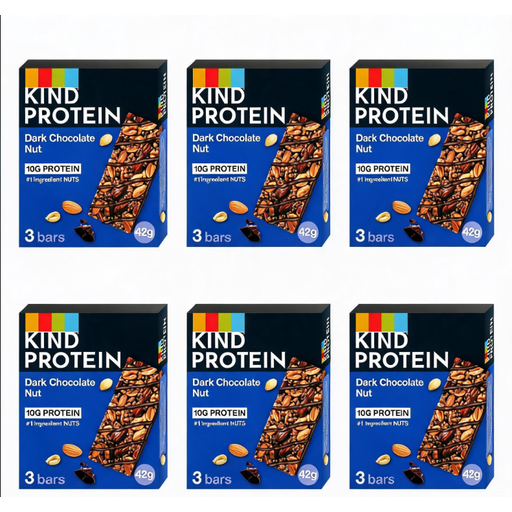 No image available
A nut-bar multipack to consider if a ready-to-eat snack suits your routine. Check the protein figure on the current pack: the product description and nutrition table give different figures. Read the allergen statement if you need to avoid peanuts, almonds, soya, milk or other nuts.
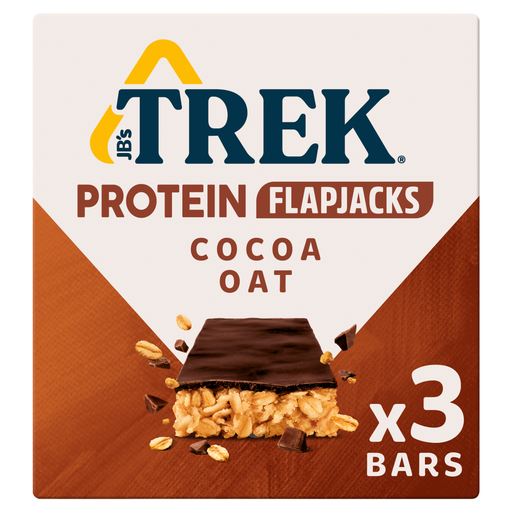 No image available
The oat-flapjack format offers a different between-meal option from a nut bar. Compare the current per-50g-flapjack nutrition panel with other bars, and check the wrapper for soya and any precautionary nut or milk statements before choosing it for dietary requirements.
 No image available
This 3 x 50g flapjack multipack is an option if you prefer that format for a snack between meals. Check protein, fibre and sugars per flapjack on the current wrapper, along with soya and any precautionary nut or milk statements.
No special bar is needed. The NHS says breastfeeding does not require a special diet and recommends a variety of foods. Imperial College Healthcare NHS Trust also says eating more protein does not increase the protein in breast milk. Choose a bar for convenience between meals, not for a milk-production claim.
Start with protein per whole bar, then check fibre, sugars, energy and salt on the same serving basis. Read the ingredients and allergen statement too: a protein figure alone cannot tell you whether the exact bar suits your dietary requirements.
Choose only an exact variant whose current ingredients and allergen statements suit your requirements. For example, Nature Valley’s Peanut & Chocolate bar contains peanuts, soya and milk, while the Eat Natural Salted Caramel bar lists peanuts, almonds, soya and milk-derived ingredients. Check precautionary statements as well as the main ingredient list.
No. Those descriptions do not cover every ingredient or possible trace. Sainsbury’s lists TREK Original Oat as vegan and gluten-free, but also lists oats and soya and a precautionary statement for peanuts, nuts and milk. Check the current wrapper for the specific variant you plan to buy.