Parents packing a nursery lunch
If you need a portable snack for a young child, start with the nursery’s food rules and the place the snack has in the rest of lunch, rather than the protein claim on its wrapper.


A high-protein cereal bar need not be the default snack for a nursery lunch: NHS guidance favours fruit and vegetables for children’s snacks, while England’s early-years guidance focuses on balanced meals and snacks. If you want the convenience of a packaged bar, check the nursery’s packed-lunch rules and the child’s allergens first, then compare the current pack’s serving size and full nutrition label rather than choosing by its protein claim alone.
If you need a portable snack for a young child, start with the nursery’s food rules and the place the snack has in the rest of lunch, rather than the protein claim on its wrapper.
Check the child’s individual requirements and the nursery’s policy before considering a bar. Some of the protein-bar examples discussed here contain peanuts, soya or milk, or carry precautionary nut statements.
If a bar is permitted, compare the serving shown on each current pack, including its ingredients, protein, sugars and salt. A front-of-pack protein figure cannot answer the nursery-lunch question on its own.
Decide whether a packaged snack is needed, check that the particular bar is permitted, and only then compare labels.
| Priority | What to check | Your needs |
|---|---|---|
| Nursery rules and allergens | Read the nursery’s packed-lunch policy, the current ingredient and allergen statements, and any precautionary wording. The Department for Education says early-years settings must take food allergies and intolerances seriously. | I need to know that this particular bar is allowed and fits my child’s individual requirements before I put it in their lunchbox. |
| Place in lunch | Consider the rest of the meal and how often you use packaged snacks. NHS guidance favours fruit and vegetables for children’s snacks; England’s early-years guidance focuses on balanced, nutritious food. | For an everyday snack, I would rather choose the food that fits the whole lunch than buy a bar just for its protein claim. |
| Full nutrition label | Check protein, sugars, salt and energy for the stated bar or serving. Use the per 100g figures when comparing products with different serving sizes. | If I choose a packaged bar, I want to understand the whole serving, not just the number printed prominently on the front. |
| Current pack | Check the exact flavour and pack you are buying for ingredients, allergens, nutrition and storage instructions; do not rely on the details of a different flavour. | I want the bar I pack to match the one whose label I checked, especially when buying another batch. |
A protein claim says little about whether a bar fits the child’s lunch. NHS snack guidance favours fruit and vegetables, and England’s early-years guidance considers meals and snacks as part of balanced food provision.
Decide whether you need a packaged snack before comparing protein figures.
Nature Valley’s Protein Peanut & Chocolate bar is described as gluten-free, but Nature Valley says it contains peanut, soya and milk and may contain tree nuts.
Check every allergen and precautionary statement against the child’s requirements and the nursery’s policy.
A per-bar figure refers to that product’s own serving. It does not, by itself, compare sugars, salt or the amount of food in differently sized bars.
Read the full nutrition table, noting both per-serving and per 100g values where shown.
The bar being packed needs its own ingredient and allergen check; a description of another variant cannot establish what is in it.
Read the physical pack when you buy a new batch or flavour, including its storage instructions.
These examples show why the exact product label matters; a brand name alone cannot establish whether a bar suits a nursery lunch.
TREK offers protein flapjacks, including Original Oat.
Its Protein Peanut & Chocolate bar is a 40g bar that Nature Valley describes as providing around 10g protein.
The High Protein Almond & Salted Caramel snack bar is listed by Tesco Groceries as a 35g bar.
The Dark Chocolate & Peanut Protein Bar combines peanuts with soya crispies.
Graze offers Oat Boost flapjacks as an oat-bar option rather than an identified protein-bar choice here.
These packaged protein bars and flapjacks are options to consider only after checking the nursery’s rules and the child’s allergens. Their inclusion is not a recommendation to pack a protein bar as an everyday snack.
 No image available
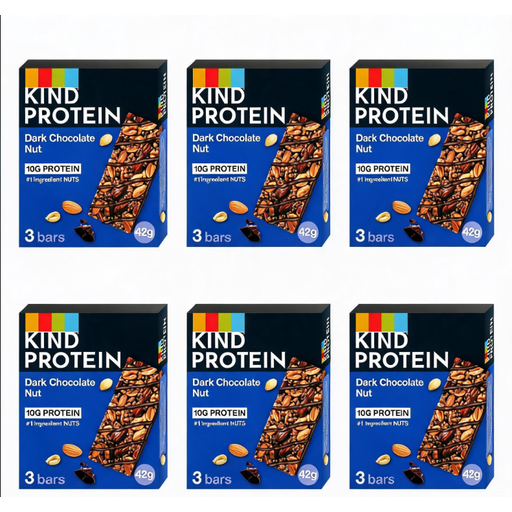
For a nursery lunch, check whether a nut-containing bar is permitted before considering this pack. Its listed limitations identify peanuts, almonds and soya, with possible milk and other nuts; confirm the declarations on the current wrapper.
 No image available
Nature Valley describes this 40g bar as providing around 10g protein. The brand says it contains peanut, soya and milk and may contain tree nuts, making the nursery’s policy and the current pack’s allergen statement essential checks.
 No image available
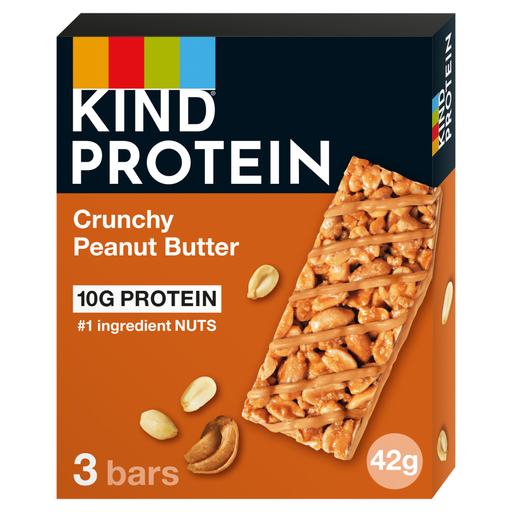
The peanut-butter variant calls for an allergen-policy check before packing. Its listed limitations identify peanuts and soya and possible tree nuts; read the exact pack for the current declarations.
 No image available
Check this salted-caramel variant separately from Nature Valley’s Peanut & Chocolate bar. Its listed limitations identify peanuts, almonds, milk and soya, so compare the current wrapper with the nursery’s rules and the child’s requirements.
 No image available
This is the Salted Caramel flapjack, not TREK Original Oat, so do not transfer Original Oat’s label details to it. Its listed limitations identify soya; check the current pack’s full allergen and nutrition information and the nursery’s policy.
Not as a default snack choice. NHS guidance favours fruit and vegetables for children’s snacks, while England’s early-years guidance focuses on balanced, nutritious meals and snacks. Consider a packaged bar only in the context of the rest of lunch, the child’s needs and the nursery’s rules.
Check the nursery’s own packed-lunch and allergy policy before sending one, as well as the child’s individual requirements. The Department for Education says early-years settings must take allergies and intolerances seriously; several bars discussed here contain peanuts or tree nuts or have precautionary nut statements.
No. Gluten-free does not address other allergens or nursery rules. Nature Valley says its gluten-free Protein Peanut & Chocolate bar contains peanut, soya and milk and may contain tree nuts, so the full current label still matters.
Compare the stated serving size, ingredients and allergens, sugars, salt and energy on the current pack. If the bars are different sizes, their per 100g figures can help you make a like-for-like label comparison; the nursery’s policy remains a separate check.