What should you compare?
Start with the amount in one bar, then check the nutrition and allergen information for that exact flavour and pack.
| Priority | What to check | Your needs |
|---|
| Protein per bar |
Read protein in grams per bar and note the bar’s weight. Use the same serving basis when comparing flavours or formats. |
I want to know how much protein is in the single bar I would pack, not just the figure per 100g. |
| School and allergen fit |
Read the ingredients, allergen declaration and any may-contain statement. Check the school’s arrangements before packing a bar. |
A bar needs to fit the child’s dietary needs and the rules at their school; a gluten-free label does not answer a peanut or milk-allergy question. |
| Whole-bar nutrition |
Compare sugars, fibre and energy per bar alongside protein. Check the serving weight when comparing a 40g bar with a 50g flapjack. |
For a routine packed snack, I want to consider the whole bar and what else is in the lunchbox. |
| Dietary claims |
Check gluten-free or vegan wording on the chosen flavour, then read its ingredients and allergen statement. |
If I need a vegan or gluten-free option, a claim about the wider range is not enough for my chosen pack. |
Brand ranges to consider
These range references help identify flavours worth checking; each pack’s label determines its nutrition and allergen details.
Nature Valley
Nature Valley UK lists Protein Peanut & Chocolate and Protein Salted Caramel Nut as 40g bars with around 10g protein and around 4g fibre each.
- The manufacturer labels both named flavours gluten free.
- Both contain peanuts, soya and milk; Salted Caramel Nut also contains almonds.
TREK
TREK offers plant-based Protein Flapjacks. Its Biscoff flavour lists 9.8g protein and 12g sugars per 50g bar.
- The Biscoff Protein Flapjack is labelled vegan.
- The Biscoff flavour contains gluten; check other flavours individually.
Eat Natural
Eat Natural’s Dark Chocolate & Peanut Protein Bar lists 7.8g protein per 40g bar.
- The manufacturer labels this named flavour gluten free.
- It contains peanuts and soya and may contain milk and tree nuts.
Graze
Graze Cocoa Vanilla Oat Boost is an oat-flapjack alternative to check when the purchase is not centred on protein per bar.
- The Tesco product label lists 2.7g sugars per 30g serving.
- Check its protein figure on the chosen pack if protein quantity is the deciding factor.
Kellogg's
Kellogg's UK identifies Special K Protein Bars within its Special K range.
- Look for a named flavour and its per-bar nutrition panel when comparing it with other bars.
- Check the chosen pack for its ingredients and allergens rather than applying a range-wide assumption.
Joybuy product options
These Joybuy options include Nature Valley Protein bars, a KIND nut bar and TREK protein flapjacks. Compare the exact flavour and pack size, then check its current label and the school’s allergy arrangements before packing it.
 No image available
Nature Valley Protein Salted Caramel Nut Bars, 4 × 40g
A 40g-bar option for comparing protein per snack: Nature Valley UK lists around 10g protein and around 4g fibre per bar for this flavour. It contains peanuts, soya, almonds and milk, so check the pack and school arrangements before packing it.
View on Joybuy
 No image available
Nature Valley Protein Peanut & Chocolate Bars, 8 × 40g
Nature Valley UK lists around 10g protein and around 4g fibre per 40g bar for this flavour and labels it gluten free. It contains peanuts, soya and milk; a gluten-free claim does not remove the need to check those allergens against the child’s needs and school arrangements.
View on Joybuy
 No image available
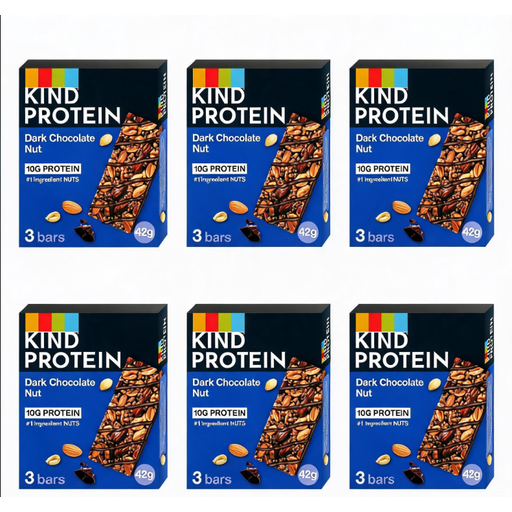
KIND Protein Dark Chocolate Nut Bars, 3 × 42g × 6pcs
A nut-bar format to consider if it fits the school setting. Check the exact pack’s protein per 42g bar, ingredients and allergen declaration before choosing it for a lunchbox.
View on Joybuy
 No image available
TREK Salted Caramel Protein Flapjacks, 3 × 50g
A 50g flapjack format if that suits the planned snack. Check this Salted Caramel flavour’s own protein, sugars, dietary claims and allergen statement; figures for TREK’s Biscoff flavour do not describe this pack.
View on Joybuy
 No image available
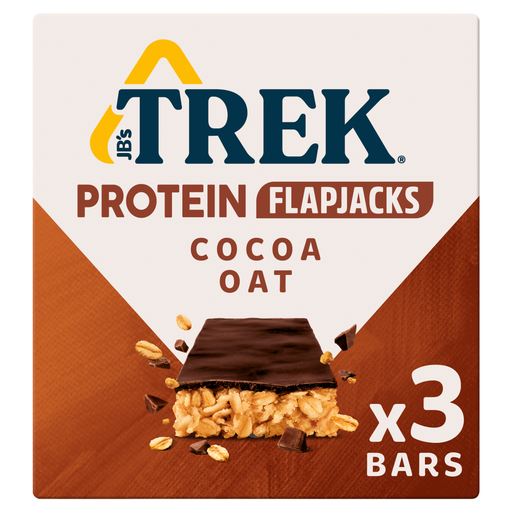
TREK Cocoa Oat Protein Flap Jacks, 3 × 50g
Another 50g TREK flapjack flavour to compare with a cereal bar. Read this pack’s per-bar nutrition and allergen declaration before selecting it for school, rather than transferring figures or gluten information from a different flavour.
View on Joybuy
Questions about school snacks
Is a high-protein bar automatically suitable for school?
No. Compare its protein, sugars, fibre and energy per bar, then check its allergens against the child’s needs and the school’s arrangements. A bar’s protein claim alone does not settle whether it belongs in a particular lunchbox.
Do all high-protein cereal bars contain gluten?
No. Nature Valley UK labels its Protein Peanut & Chocolate bar gluten free, while TREK declares gluten in its Biscoff Protein Flapjack. Check the current label for the particular flavour you plan to pack.
Can I pack a peanut protein bar for school?
Check the child’s needs and the individual school’s allergy arrangements before packing one. Nature Valley UK says its two named Protein flavours contain peanuts. In England, the Department for Education says schools must publish an allergy safety policy setting out arrangements for known allergens.
Which nutrition figures should I compare first?
Start with protein per individual bar and its serving weight, then compare sugars, fibre and energy on the same per-bar basis. Nature Valley UK lists around 10g protein for its 40g Protein Peanut & Chocolate bar, while TREK lists 9.8g for its 50g Biscoff Protein Flapjack.
Do school food standards answer what I can put in a packed lunch?
Not on their own. The Department for Education’s school food standards practical guide applies to England and addresses food provided at school. For a packed lunch, check the individual school’s food and allergy communications rather than assuming that guide gives a blanket permission or ban.


