Carers choosing a portable toddler snack
A wrapped bar can be convenient, but its protein claim does not establish that it should replace the variety of foods the NHS recommends for toddlers.


Do not choose a high-protein cereal bar as a toddler’s everyday snack simply for its protein claim. The NHS advises a varied diet and recommends fruit and vegetables for snacks; a packaged bar calls for checks on portion size, sugars, allergens and texture. If a healthcare professional has advised a higher-protein eating plan for your child, follow that individual advice rather than choosing an adult-oriented bar on protein grams alone.
A wrapped bar can be convenient, but its protein claim does not establish that it should replace the variety of foods the NHS recommends for toddlers.
Check the exact bar’s ingredients and allergens, then ask the nursery or school which foods its policy permits.
If your child has been given advice for poor appetite, slower growth or increased energy needs, use that plan to choose snacks rather than relying on a commercial protein claim.
Start with the reason for the snack, then compare the portion your child would eat and the safety checks on the exact pack.
| Priority | What to check | Your needs |
|---|---|---|
| Everyday variety | Consider different snack foods rather than repeatedly serving one bar. The NHS recommends fruit and vegetables for snacks and advises limiting packaged snacks. | For an ordinary between-meal snack, I want something my toddler can manage without making a packaged bar the default. |
| Portion and sugars | Read the serving size, sugars per bar and traffic-light labelling on the exact pack. A protein claim does not describe its sugar content. | When I need a portable bar, I want to compare the amount my child would actually eat, not just the protein figure on the front. |
| Allergens and setting rules | Read the ingredients and allergen statement for the chosen flavour. Check the childcare setting’s policy; in England, Department for Education guidance says schools must publish an allergy safety policy. | Before packing a bar, I need to know whether its ingredients are suitable for my child and permitted by their nursery or school. |
| Texture and individual advice | Check for whole nuts, peanuts or coarse pieces: the NHS warns against giving whole nuts to under-fives because of choking risk. If your child has an individual eating plan, check which snacks it recommends. | A nut-containing bar needs a closer texture check. If extra protein has been advised for my child, I need a snack that fits their plan. |
A protein figure describes the bar, not whether it meets a particular child’s snack needs. The NHS advises a varied diet for toddlers.
For routine snacks, consider age-appropriate foods your child can manage. If you have been given a higher-protein eating plan, choose according to that advice.
The NHS cautions that cereal bars can contain substantial sugar, regardless of other ingredients or claims.
Compare sugars per bar, serving sizes and traffic-light labelling on the products you are considering.
Ingredients differ between bars and flavours. A suitable choice at home may also conflict with a childcare setting’s food policy.
Read the current pack’s ingredient and allergen statements, and check the nursery or school’s rules before packing it.
The NHS warns that whole nuts can cause choking in children under five. A nut-based bar’s name alone does not tell you the form of its nuts or how easily your child can chew it.
Do not give whole nuts to under-fives. Inspect the bar’s texture and choose another age-appropriate snack if it contains pieces your child cannot safely manage.
Nature Valley sells Protein cereal bars, but their protein figures do not establish toddler suitability.
Graze offers oat flapjacks as packaged snacks; its brand-level nutrition claims do not identify an individual product as a toddler snack.
Alpen is a cereal brand, but a brand name is not a substitute for checking the particular product you intend to serve.
These options include a soft oaty bar labelled for children aged 12 months and over alongside nut-based bars and a flapjack. Compare each one against your child’s age, ability to manage its texture and the current pack information; being listed here is not a recommendation to serve every bar to a toddler.
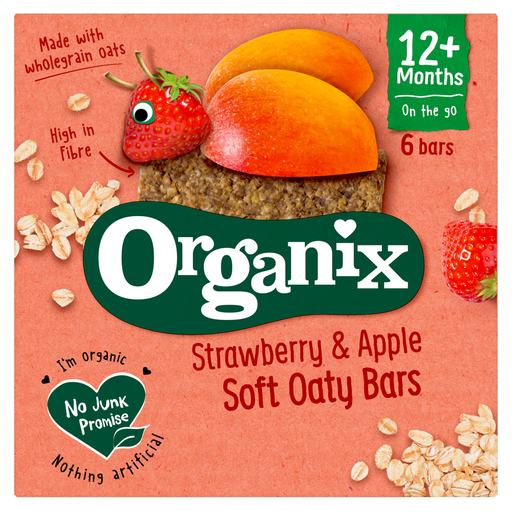 Image unavailable
A soft oaty bar labelled for children aged 12 months and over, in a pack of six 23g bars. For an occasional portable snack, check the current pack’s sugars and allergen statement, and whether your child can manage its texture.
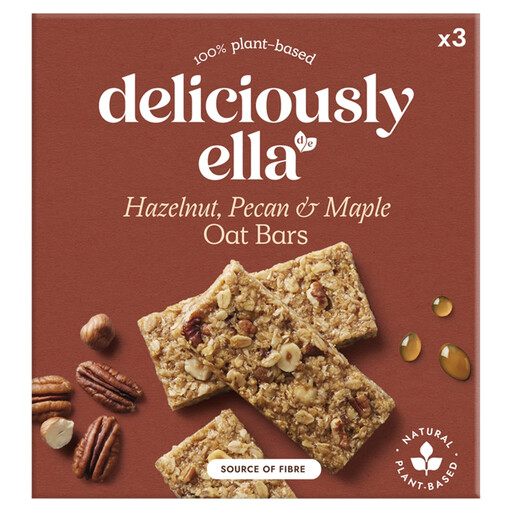 Image unavailable
This oat bar names hazelnuts and pecans in its flavour. It is not presented as a toddler-specific bar: check the current pack for allergens and sugars, and inspect the nut pieces and texture. The NHS advises against giving whole nuts to children under five.
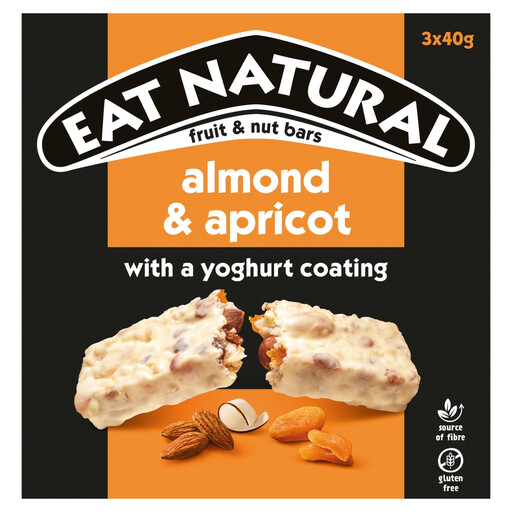 Image unavailable
A three-pack of almond, apricot and yoghurt bars. Its nut content makes texture an important check for toddler snack time: the NHS advises against whole nuts for under-fives. Read the current allergen and nutrition information before considering the product for a child.
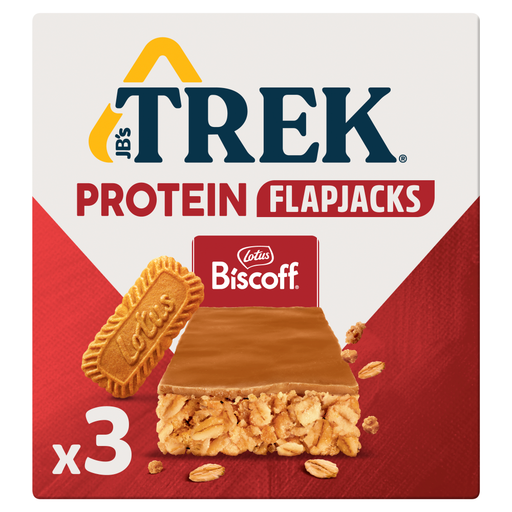 Image unavailable
A pack of three 50g flapjacks. Do not use a protein claim alone to choose it for toddler snack time; compare the current pack’s serving size, sugars, allergens and texture with what your child can manage.
Not as an everyday snack solely because it has extra protein. The NHS advises a varied diet for toddlers and recommends fruit and vegetables for snacks. If your child has an individual higher-protein eating plan, follow the advice you have been given when choosing snacks.
Compare the serving size, sugars per bar, traffic-light labelling, ingredients, allergens and texture on the exact pack. A protein figure cannot answer those separate questions, and the portion a toddler eats may differ from the labelled serving.
Do not give whole nuts or peanuts to a child under five: the NHS identifies them as a choking risk. For a nut-containing bar, check the form of the nuts and the overall texture rather than assuming that every bar is manageable for your child.
No single gluten statement applies to every cereal bar. Check the chosen pack’s ingredients and allergen statement for cereals containing gluten; other allergens may matter even if a product is labelled gluten free.
Check that setting’s current food and allergy policy before packing the bar, as well as the product’s ingredients. In England, Department for Education guidance says schools must publish an allergy safety policy covering arrangements to reduce exposure to known allergens.