Travellers with a long gap between meals
An individually wrapped bar is straightforward to carry. Compare the amount in the bar you will actually eat, then check protein, sugars and fibre rather than relying on its front-of-pack description.


For a train journey, compare protein per whole bar with sugars, portion size and allergens rather than choosing by the word “protein” on the wrapper. Ocado lists TREK High Protein Choc Peanut Butter as a vegan option with 15g protein and 2.3g sugars per 55g bar; Nature Valley labels its Peanut & Chocolate Protein bar gluten free and describes it as providing around 10g protein per 40g bar, but it contains peanut, soya and milk.
An individually wrapped bar is straightforward to carry. Compare the amount in the bar you will actually eat, then check protein, sugars and fibre rather than relying on its front-of-pack description.
Check the specific product line: Ocado lists TREK High Protein Choc Peanut Butter as suitable for vegans, with 15g plant protein per 55g bar. Its peanut, soya and precautionary allergen information still matters.
Look for a gluten-free declaration on the particular bar rather than assuming that every oat or protein bar qualifies. Nature Valley labels its Protein Peanut & Chocolate bar gluten free, but it contains peanut, soya and milk.
Start with the whole-bar serving size, then read the nutrition and allergen information for that exact flavour and pack.
| Priority | What to check | Your needs |
|---|---|---|
| Protein per bar | Compare grams per whole bar and the bar’s weight. A per-100g figure alone does not tell you what one bar provides. | I want to know how much protein is in the portion I will pack, not just whether the product name mentions protein. |
| Sugars and saturated fat | Read both values per bar. Compare like-sized portions where possible, and use any traffic-light colours as a description of the labelled product, not of every bar in its range. | If I will eat the bar regularly, I want to compare more than its protein figure. |
| Fibre and portion size | Check fibre per bar alongside protein and sugars. Note whether the pack contains several individually sized bars or a different format, such as a flapjack. | A smaller bar may suit the space in my bag; I still need to compare what that portion contains. |
| Dietary labels and allergens | Check the current pack for vegan or gluten-free wording, ingredients and “may contain” warnings. Do not apply one flavour’s declaration to a whole range. | I need the particular bar to meet my dietary requirements, including any allergens I must avoid. |
| Eating on board | Consider the wrapper and whether the food has a strong odour. National Rail welcomes passengers bringing their own food and asks them not to bring very smelly food. | I want something I can carry, eat and clear away without disturbing nearby passengers. |
Bars and flapjacks come in different sizes and product lines. A protein-focused name does not tell you the grams in the portion you will eat.
Compare the protein figure per complete bar and check the bar weight before choosing.
In its November 2025 review of 458 snack bars from 10 major UK retailers, Action on Salt and Sugar found that 37% were high in sugars and 55% were high in saturated fat under voluntary UK traffic-light thresholds. Those are findings about the products reviewed, not about every protein bar.
Read sugars and saturated fat per bar alongside protein and fibre; do not assume one front-of-pack claim answers the other questions.
The labels address different requirements. For example, Nature Valley’s gluten-free Protein Peanut & Chocolate bar contains peanut, soya and milk, while Ocado’s listing for TREK High Protein Choc Peanut Butter identifies peanuts and soya.
Check the ingredients and precautionary warnings on the current physical pack, even if you have bought the flavour before.
National Rail allows passengers to bring their own food but advises against very smelly food.
Carry the bar in its wrapper and keep the empty packaging until you can dispose of it.
These examples help distinguish product lines; a brand name alone does not establish the nutrition or allergens of another flavour.
TREK sells both High Protein bars and protein flapjacks. Check which line is on the pack before comparing portions.
The Protein Peanut & Chocolate bar is an example of a 40g cereal bar with a gluten-free label.
Dark Chocolate & Peanut is a nut-led bar to consider if its ingredients and portion suit you.
These options include protein bars and a TREK protein flapjack that can be considered for a train journey. The flapjack is a different product line from the TREK High Protein bar discussed above; compare each pack’s own nutrition and allergen declaration.
 Image unavailable
A four-bar pack to consider if you want a 40g portion for the journey. If you need a gluten-free bar, check the current pack’s declaration; also check its milk, peanut, soya and almond ingredients against your requirements.
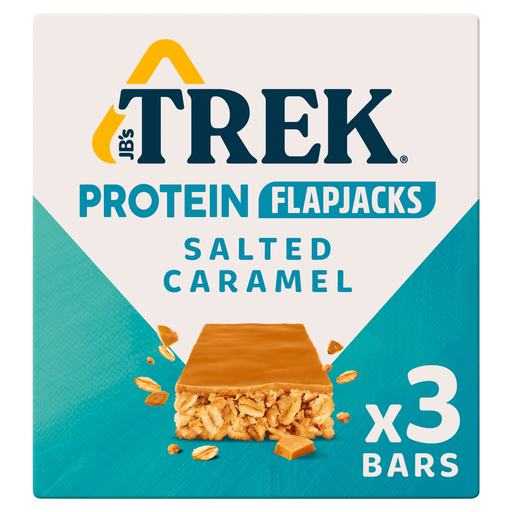 Image unavailable
This 50g flapjack format is distinct from TREK’s High Protein bars, so do not apply the Choc Peanut Butter bar’s nutrition figures to it. Check its own per-flapjack sugars and protein, vegan and gluten-free declarations, and soya allergen information.
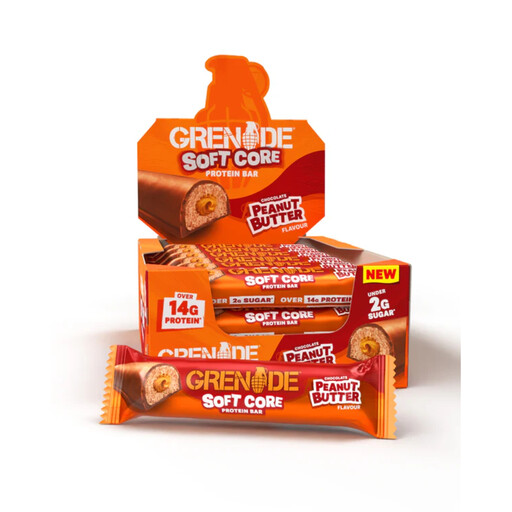 Image unavailable
This is a pack of twelve 50g bars, so compare nutrition per bar rather than per pack. Check the milk, soya and peanut allergen information; it is not a vegan or gluten-free option.
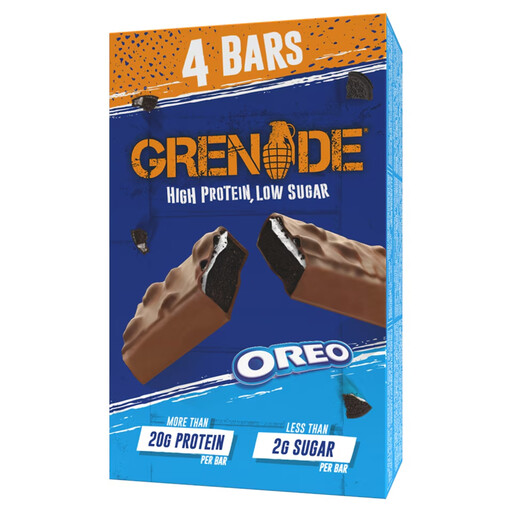 Image unavailable
The 60g bar size matters when comparing its per-bar nutrition with smaller options. Check the current pack for wheat, milk and soya; this is not a vegan or gluten-free choice.
 Image unavailable
Nature Valley labels this 40g bar gluten free and describes it as providing around 10g protein. It contains peanut, soya and milk and may contain tree nuts, so read the current pack before choosing it for a restricted diet.
Yes. National Rail says passengers are welcome to bring their own food. It also advises against very smelly food, so keep the wrapper and consider others in the carriage.
No. Check the grams of protein per complete bar and the bar’s weight. A per-100g figure or protein-focused product name does not describe your portion on its own.
Check that the exact bar is labelled suitable for vegans, then read its allergen declaration. Ocado lists TREK High Protein Choc Peanut Butter as vegan with 15g plant protein per 55g bar, but it contains peanuts and soya and carries further “may contain” warnings.
Nature Valley labels that particular bar gluten free and describes it as providing around 10g protein per 40g bar. It still contains peanut, soya and milk and may contain tree nuts; check the current pack for your requirements.
No. Compare protein, sugars, saturated fat and fibre per whole bar, then check the ingredients and allergens. Portion sizes and product lines differ, so the largest protein figure does not answer every dietary or practical question.