Snackers comparing protein per bar
If you plan to eat one bar during a film, its per-bar nutrition tells you more about that portion than a protein figure per 100g. Compare energy, sugars and fibre in the same portion.


For a movie-night bar, compare the protein in the portion you will eat alongside its energy, sugars, fibre and ingredients. Nature Valley’s Peanut & Chocolate bar has 10.2g protein per 40g bar, while TREK states 15g per bar for its separate High Protein range; those figures do not make the products interchangeable, particularly if you need to avoid specific allergens.
If you plan to eat one bar during a film, its per-bar nutrition tells you more about that portion than a protein figure per 100g. Compare energy, sugars and fibre in the same portion.
TREK describes its bars as suitable for vegans, but its Protein Flapjacks and High Protein bars have different declared protein amounts. Check the exact flavour and format before choosing.
Peanuts, other nuts, soya and milk are relevant to several of these recipes. Read the ingredients and precautionary allergen wording on the current pack of the flavour you intend to buy.
Start with the portion you expect to eat, then compare its nutrition and ingredients rather than choosing from the protein claim alone.
| Priority | What to check | Your needs |
|---|---|---|
| Protein per portion | Read grams per bar and the bar’s weight. TREK states 15g per bar for its High Protein range but 9g for its separate Protein Flapjacks; Nature Valley lists 10.2g per 40g Peanut & Chocolate bar. | I’m eating one bar, so I want to know what that bar provides—not just the figure per 100g. |
| Whole nutrition panel | Compare energy, sugars, saturates and fibre for the same portion. Nature Valley lists 195 kcal, 6.8g sugars and 4.3g fibre per 40g Peanut & Chocolate bar. | A protein figure matters to me, but I also want to see what else comes with that serving. |
| Ingredients | Check the exact flavour’s ingredients and precautionary allergen statement. Nature Valley’s Peanut & Chocolate bar contains peanut, soya and milk and may contain tree nuts. | If I avoid an ingredient, I need the current pack to fit that requirement before I buy a multipack. |
| Bar format | Distinguish a cereal or nut bar from an oat flapjack, and check the individual bar weight. A 40g bar and a 50g flapjack are different portions. | For a film, I’d rather choose the format and portion deliberately than assume similarly packaged bars are equivalent. |
Protein does not describe the bar’s full nutrition. In its November 2025 review of 458 snack bars from major UK retailers, Action on Salt & Sugar classified 64% as less healthy under the Government Nutrient Profiling Model; that finding describes the reviewed bars, not every protein bar.
Compare the full per-bar panel, including energy, sugars, saturates and fibre, before deciding which portion suits your plans.
A per-100g protein figure can obscure what you will get from one bar. Nature Valley lists 10.2g per 40g Peanut & Chocolate bar, while TREK states 9g per Protein Flapjack.
Use per-bar values when comparing one-bar snacks, and check each bar’s weight alongside them.
Nature Valley’s Peanut & Chocolate bar contains peanut, soya and milk and may contain tree nuts. Eat Natural’s Dark Chocolate & Peanut bar contains peanuts and soya and has additional precautionary allergen wording.
Check the exact current pack’s ingredients and allergen statement, even if you have bought the flavour before.
Alpen identifies several older bar varieties as no longer made. An old listing may therefore describe a different product from the one you can buy.
Before ordering a multipack, confirm the current product name and check its pack details and best-before date.
A brand name alone does not establish the protein or ingredients of a particular bar; compare named products and flavours.
TREK distinguishes its Protein Flapjacks from its High Protein bars.
Its Protein Peanut & Chocolate cereal bar is a 40g product with a published per-bar nutrition panel.
Its protein fruit-and-nut range includes distinct peanut-and-chocolate and salted-caramel recipes.
Graze sells snacks with differing ingredients and formats, including Oat Boost flapjacks.
The Special K range includes snack bars, and Kellogg's has described Special K Protein Bars.
Alpen’s own product information distinguishes its current range from older bar varieties.
These Joybuy options cover peanut-and-chocolate, nut-bar and oat-flapjack formats for a movie-night snack. Use each product’s current pack details to compare the portion and ingredients that matter to you.
 No image available
For a one-bar snack, Nature Valley lists 10.2g protein, 195 kcal, 6.8g sugars and 4.3g fibre per 40g Peanut & Chocolate bar. The product is labelled gluten free but contains peanut, soya and milk and may contain tree nuts.
 No image available
This 4 x 40g pack offers a salted-caramel nut-bar format. Check the current pack for its per-bar protein, sugars and allergen information before comparing it with the Peanut & Chocolate variety.
 No image available
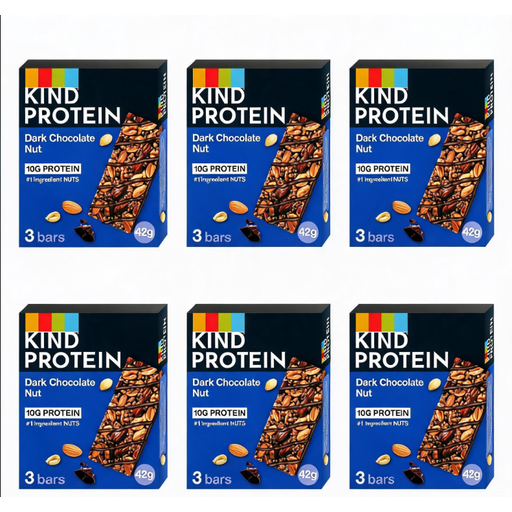
A dark-chocolate nut-bar option in the stated 42g format. If you plan to eat one bar during a film, compare its current per-bar nutrition and ingredient label with the other flavours here.
 No image available
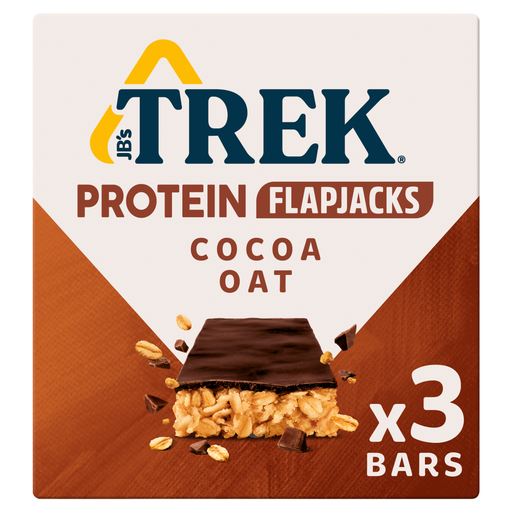
The 50g oat-flapjack format is a different portion from a 40g cereal bar. TREK states 9g protein per bar for its Protein Flapjack line, rather than the 15g stated for its separate High Protein line; check the Cocoa Oat pack’s current nutrition and allergen details.
 No image available
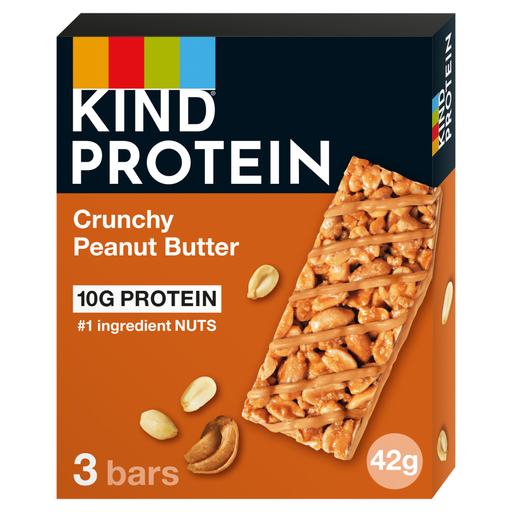
Choose this 42g peanut-butter-flavoured format if that is the style of bar you want to compare. Read its own per-bar panel and allergen statement rather than applying figures from another KIND flavour.
No. Compare the full nutrition panel for the portion you will eat. For example, Nature Valley lists 10.2g protein, 195 kcal and 6.8g sugars per 40g Peanut & Chocolate bar, so the protein figure answers only part of the buying question.
Use grams per individual bar alongside its weight, rather than assuming that different-sized bars provide the same portion. Nature Valley lists 10.2g per 40g Peanut & Chocolate bar; TREK states 9g per Protein Flapjack and 15g per bar for its separate High Protein range.
Check the exact product and your specific requirement. Nature Valley labels its Peanut & Chocolate bar gluten free, but it contains peanut, soya and milk and may contain tree nuts. TREK describes its bars as suitable for vegans; its different product lines still have different protein figures, and the current pack remains the place to check ingredients and allergens.
No: they are different formats and portions. Compare the nutrition per bar you intend to eat, then decide whether you prefer the oat-flapjack or cereal-bar format without assuming either has more protein from its size alone.
Confirm the current product first. Alpen says several older bar varieties are no longer made; before ordering, check the exact product name and the current pack’s nutrition, ingredients and best-before date.