People planning a protein-containing snack
If you want a bar between meals or around exercise, compare protein in the labelled serving with the bar’s energy and sugars, then consider what else you eat during the day.


Choose a cereal bar by the protein in the bar you will eat, not by the word ‘protein’ on the wrapper. Compare that serving’s energy, sugars and fibre too, then check the exact pack for ingredients and allergens; a convenient bar should fit alongside the rest of your food rather than stand in for a varied diet.
If you want a bar between meals or around exercise, compare protein in the labelled serving with the bar’s energy and sugars, then consider what else you eat during the day.
Plant-based protein does not settle whether a particular bar meets your dietary requirements. Check the exact variant’s ingredients and vegan statement, especially when comparing oat flapjacks with nut-based bars.
For a portable snack, check the current pack for peanuts, other nuts, soya, milk and any gluten-related statement that matters to you. Do not rely on the brand or product-family name alone.
Start with the amount in one bar, then read the rest of that same serving’s nutrition information and the ingredient list.
| Priority | What to check | Your needs |
|---|---|---|
| Protein per bar | Read grams of protein per labelled bar and its weight. Compare 40g bars and 50g flapjacks as different serving sizes. | I want to know how much protein the bar I actually eat contributes, rather than judging it by the front of the pack. |
| The full serving | Check energy, sugars, saturates and fibre per bar, not only per 100g. Consider whether the bar is an extra snack or part of a meal. | If I am adding a snack, I need its whole nutrition panel to see how it fits with the rest of my day. |
| Ingredients and allergens | Read the ingredient list, highlighted allergens and any vegan or gluten-free statement on the exact flavour and pack. | A plant-based protein ingredient is not enough for me if I also need to avoid milk, nuts or soya. |
| Place in the diet | Think about when you will eat the bar and what other foods make up your meals. The NHS Eatwell Guide considers dietary balance over a day or week, not at every eating occasion. | Convenience matters, but I do not want one snack to take the place of varied meals. |
Bar weights and recipes differ, so the protein in one labelled serving can differ even within a brand’s ranges.
Compare grams of protein and serving weight on the exact product. Check a new flavour rather than carrying over a figure from another one.
A protein figure alone does not describe an additional snack’s energy, sugars or saturates.
Read the per-bar figures for each of these alongside protein, particularly if the bar is in addition to what you normally eat.
A gluten-free or plant-based description does not tell you whether a bar contains peanuts, soya or milk, or carries a precautionary allergen statement.
Check the ingredients and allergen information on the current pack of the exact variant.
A convenient snack does not by itself provide the variety described in the NHS Eatwell Guide’s balanced dietary pattern.
Use a bar when its serving suits the occasion, while considering your meals and other foods across the day or week.
A protein figure or dietary statement for one bar should not be assumed to apply to every product from the same brand.
Its Protein Peanut & Chocolate bar is a 40g option; Nature Valley UK describes it as providing around 10g of protein per bar.
TREK describes its Protein Flapjacks as plant-based bars containing 9g of protein. Its High Protein bars are a separate range.
Eat Natural UK lists 7.8g of protein per 40g Dark Chocolate & Peanut bar. A separate 45g Peanut & Chocolate listing at Costco UK states 10g per bar.
Graze Protein Oat Bites are an oat, seed and soya-protein product.
Kellogg's includes Special K snack bars in its wider cereal and snack range.
Alpen is a breakfast-cereal brand; its muesli products and any bars need to be considered as distinct products.
These Joybuy options include nut-based protein bars and oat flapjacks for comparing snack servings. Pack sizes differ, so check the nutrition and ingredients of the variant you choose.
 No image available
A 40g bar format for a between-meal snack. Check the per-bar nutrition panel and the current pack’s milk, peanut, soya and almond information if those ingredients matter to you.
 No image available
Nature Valley UK describes this 40g variety as providing around 10g of protein per bar. Check the pack for its full nutrition panel and for milk, peanut, soya and tree-nut information.
 No image available
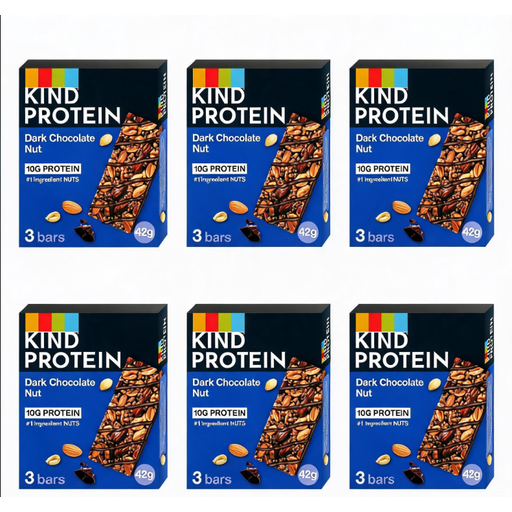
For a nut-based bar, compare the nutrition information for one 42g serving with other bar sizes. Check the exact pack for peanuts, almonds, soya and any milk or other-nut warning.
 No image available
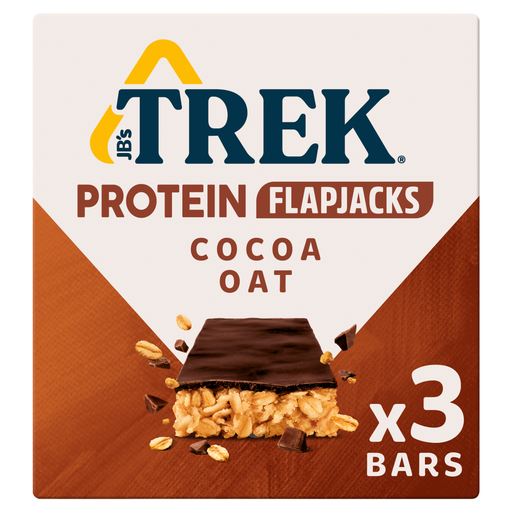
This 50g flapjack format differs in serving size from the 40g bars above. TREK describes its Protein Flapjacks as plant-based; check this flavour’s nutrition, vegan statement and soya information on the pack.
 No image available
An oat-based 50g flapjack for comparing with smaller nut bars. Read this flavour’s per-bar nutrition panel and check its ingredients and soya information before choosing it for a dietary requirement.
A bar can be a convenient snack, but it does not automatically provide the variety of a meal. The NHS Eatwell Guide describes dietary balance across a day or week, so consider the bar alongside your other foods rather than judging your diet by one snack.
Read the ingredients, highlighted allergens and precautionary statements on the exact current pack. UK food-labelling guidance identifies ingredients, including allergens, as information for prepacked foods; a gluten-free or plant-based description is not a substitute for checking ingredients such as peanuts, soya or milk.
Some may be, but a protein-bar name does not establish vegan suitability. TREK describes its Protein Flapjacks as plant-based; check the exact flavour’s vegan statement and ingredients, and do not assume that a nut- or soya-based bar contains no milk ingredients.
Start with protein and serving weight, then compare energy, sugars, saturates and fibre for the bar you intend to eat. Per-bar figures keep the comparison tied to a real serving, while the weight shows when, for example, a 40g bar is being compared with a 50g flapjack.