Families wanting a portable snack
An individually wrapped bar is easy to portion after school. Compare its protein, fibre, sugars and serving size rather than relying on the front-of-pack protein claim.


A protein cereal bar can be a portable, individually portioned after-school snack when its ingredients are suitable for the child and the amount per bar meets what you are looking for. Nature Valley UK lists about 10g protein per 40g bar for its Peanut & Chocolate and Salted Caramel Nut variants, but both contain peanuts, soy and milk; check the full label and consider fruit, vegetables and other snacks as part of a varied routine.
An individually wrapped bar is easy to portion after school. Compare its protein, fibre, sugars and serving size rather than relying on the front-of-pack protein claim.
Nut, soy and milk ingredients need careful checking. If a bar will go into a school bag, check the school’s arrangements for food brought from home as well as the current wrapper.
A labelled protein amount is one consideration. Sugars, portion size and how often packaged snacks are offered also matter when choosing between a bar and another after-school snack.
Start with the amount in one bar, then check the other nutrition information and ingredients before deciding whether it suits this snack occasion.
| Priority | What to check | Your needs |
|---|---|---|
| Protein per bar | Compare the labelled serving sizes and protein per bar, not just per 100g. Nature Valley UK lists 10.2g per 40g Peanut & Chocolate bar and 10.4g per 40g Salted Caramel Nut bar. | I want to know how much protein is in the portion the child will actually eat. |
| Other nutrition | Read fibre, sugars and energy on the same per-bar basis, and check salt on the pack. Nature Valley UK lists 4.4g fibre, 6.9g sugars and 196 kcal for Peanut & Chocolate; its Salted Caramel Nut bar lists 4.3g fibre, 6.4g sugars and 198 kcal, each per 40g bar. | A protein claim alone does not tell me whether this portion fits the snacks I usually offer. |
| Ingredients and allergens | Check the current ingredients, allergen declaration and precautionary statements. Nature Valley UK lists peanuts, soy and milk for both variants; Salted Caramel Nut also contains almond. | I need to know whether the child can eat every relevant ingredient before choosing a flavour. |
| Where it will be eaten | Check the school’s food-allergy arrangements before putting a nut-containing bar in a school bag. England’s Department for Education guidance says schools should consider food brought from home when developing allergy-safety approaches. | A snack that works at home may not be suitable to pack for school. |
Nature Valley UK lists around 10g protein in each of its 40g Protein variants, alongside 6.4–6.9g sugars and 196–198 kcal per bar. Those figures describe the whole portion more clearly than the protein claim by itself.
Compare the per-bar nutrition and consider whether a packaged bar or a different snack suits the occasion.
Nature Valley UK lists peanuts, soy and milk in both Protein variants, while Salted Caramel Nut also contains almond. The two flavours are not interchangeable for someone avoiding those ingredients.
Read the current pack, including any precautionary allergen statement, before offering either bar.
England’s Department for Education guidance says food brought from home should be considered in a school’s allergy-safety approach. A school’s arrangements can therefore affect what is appropriate to pack.
Check the school’s current food-allergy and packed-food arrangements before sending in a bar containing nuts or other relevant allergens.
Nature Valley UK publishes per-bar nutrition and allergen information for its Peanut & Chocolate and Salted Caramel Nut Protein bars.
Kellogg's includes snacks in its Special K range, but the name alone does not identify a bar’s protein content.
Graze offers oat-flapjack-style snacks for shoppers considering an alternative to a protein-labelled cereal bar.
These cereal bars and protein flapjacks offer different flavours, portion sizes and pack formats for an after-school snack. Check each current pack for the nutrition and allergens that matter to your household.
 No image available
A 40g bar offers a stated protein amount in an individually portioned snack. Nature Valley UK lists 10.2g protein, 4.4g fibre and 6.9g sugars per bar; it contains peanuts, soy and milk and may contain tree nuts.
 No image available
This individually portioned bar is an option only where its nut and other ingredients are suitable. Nature Valley UK lists 10.4g protein, 4.3g fibre and 6.4g sugars per 40g bar; it contains peanuts, almonds, soy and milk and may contain other tree nuts.
 No image available
An eight-bar pack of the Peanut & Chocolate variety provides individually portioned 40g bars. Nature Valley UK lists 10.2g protein per bar for this flavour; check the pack for its current nutrition and its peanut, soy, milk and tree-nut warnings.
 No image available
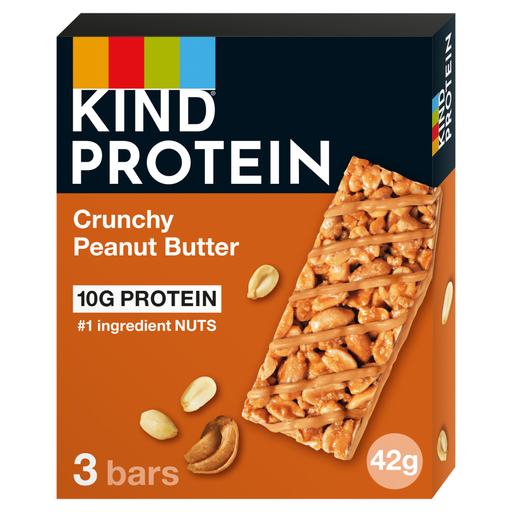
A three-pack of 42g peanut-butter protein bars offers another portion format to compare. Check the current wrapper for protein per bar and the full allergen statement before choosing it for a child.
 No image available
This three-pack offers a 50g flapjack rather than a 40g bar. Compare nutrition per flapjack, not just per 100g, and check the current ingredients and allergen statement before packing one.
No. Check the portion, sugars, fibre, ingredients and allergens as well as protein. The NHS recommends fruit and vegetables as children’s snack choices and advises no more than two packaged snacks a day.
Compare the amount in one bar first, then read protein, fibre, sugars, energy, salt and the allergen statement on the same serving basis. Nature Valley UK, for example, lists about 10g protein per 40g bar for both Protein flavours, but their ingredients and other per-bar figures differ.
Check the individual school’s current food-allergy arrangements before packing one. England’s Department for Education guidance says schools should consider food brought from home when developing their allergy-safety approaches.
Do not treat a commercial bar as a substitute for individual dietary advice. If there are concerns about growth or a prescribed diet, speak to the child’s relevant health professional about suitable foods.