Hosts looking for a protein-led snack
Compare protein per 100g and per serving, then check whether protein supplies enough of the food’s energy to support a high-protein claim. A product name alone cannot answer that question.


Choose Christmas party popcorn by serving format and guest needs rather than assuming a product called “protein popcorn” qualifies as high protein. The Food Standards Agency describes a condition of at least 20% of energy from protein for a high-protein claim; Myprotein Sweet and Salty popcorn lists 18g protein per 100g, but its label figures work out to about 16.7%, and each 21g bag provides 3.8g. Check the exact pack before treating any popcorn as a high-protein choice.
Compare protein per 100g and per serving, then check whether protein supplies enough of the food’s energy to support a high-protein claim. A product name alone cannot answer that question.
Small bags are straightforward to hand out, but portion size matters: Myprotein’s 21g bag lists 3.8g protein. Compare that amount with what guests are likely to eat, not just the per-100g figure.
Ingredients differ between flavours. Some of the popcorn considered here contains milk or soya, and product listings warn that unpopped kernels may be present. Keep the exact packs available when serving guests.
Start with the protein figures, then choose a serving format and check the exact flavour’s nutrition and ingredient label.
| Priority | What to check | Your needs |
|---|---|---|
| Protein | Compare protein per 100g and per intended serving. The Food Standards Agency describes a high-protein claim condition of at least 20% of energy from protein; using kcal figures, divide protein grams multiplied by 4 by total kcal on the same weight basis. | I want to know whether a guest’s portion makes a meaningful protein contribution, rather than relying on “protein” in the product name. |
| Serving format | Check pack size and whether the popcorn is ready to serve or needs preparation. Whitworths kernels list 12.6g protein per 100g as consumed when cooked to the instructions; Myprotein’s portioned bags are 21g each. | A sharing bowl would suit my table, but I need to allow time to prepare kernels. For snacks to hand out individually, I would compare the amount in each bag. |
| Sugars and salt | Read sugars and salt per 100g and per serving for the exact flavour. Tesco Sweet & Salted lists 22.6g sugars and 1.19g salt per 100g; Sainsbury’s Toffee Apple lists 57.2g sugars per 100g. | I want to compare flavours on the same basis, particularly if guests may refill their bowls. |
| Guest suitability | Check the ingredient and allergen statements on every pack, alongside any vegan declaration. Read age warnings and look out for advice about unpopped kernels. | Guests may have different dietary needs, and young children may be present. I need to know which bowl contains which product. |
More protein per 100g does not necessarily meet the high-protein condition described by the Food Standards Agency. Myprotein’s listed 18g protein and 430 kcal per 100g work out to about 16.7% of energy from protein, below 20%.
Use protein and energy figures from the same basis on the exact pack when checking the claim.
A small snack bag and a sharing bag contain different amounts of popcorn. Myprotein lists 3.8g protein in each 21g bag, so a per-bag figure alone does not describe its protein density or a guest’s intended portion.
Compare products per 100g, then check the amount in the portion you plan to serve.
Sweetened recipes can differ substantially: Tesco Sweet & Salted lists 22.6g sugars and 1.19g salt per 100g, while Sainsbury’s Toffee Apple lists 57.2g sugars per 100g.
Read sugars and salt for the exact flavour, both per 100g and per serving.
Myprotein Sweet and Salty contains milk and soya ingredients, while Sainsbury’s Toffee Apple contains butter and soya lecithin. Some popcorn listings also warn about unpopped kernels.
Keep packs available, identify each bowl by flavour and follow the product’s allergen and age warnings.
These examples illustrate how protein figures, portions and ingredients differ between specific popcorn products; a brand name does not establish the properties of every flavour.
Protein Popcorn Sweet and Salty comes in 21g bags.
The Sweet ’N Salt product is an 80g ready-to-eat bag listed by Tesco Groceries as suitable for vegans.
The Sweet & Salty 30g pack is listed by Sainsbury’s as suitable for vegans.
Tesco Sweet & Salted Popcorn is a 110g ready-to-share bag listed as suitable for vegans.
Toffee Apple Flavour Popcorn comes in a 170g bag for sharing.
These options cover microwave popcorn for preparing a party bowl and a ready-to-serve salted sharing bag. Check each exact pack’s protein and energy figures before considering it for a high-protein snack.
 No image available
Three 60g microwave popcorn bags offer a prepare-at-home option for a party bowl. Check the preparation instructions and the exact pack’s protein, energy, salt and allergen information before serving.
 No image available
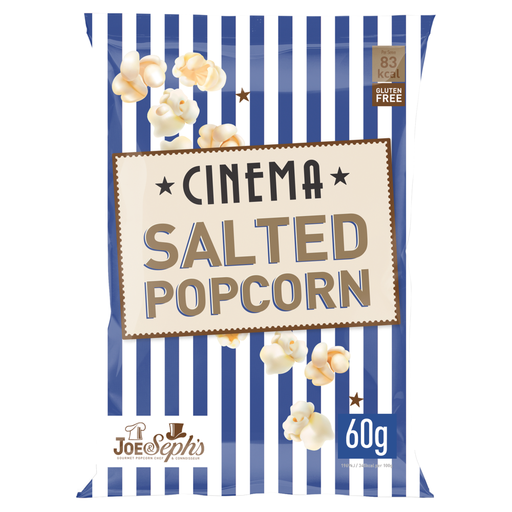
This ready-to-serve 60g salted sharing bag avoids party-day preparation, though you may need to consider how far one bag will go. Check the exact label for protein, salt and allergens when planning the table.
No. The Food Standards Agency describes a high-protein claim condition of at least 20% of energy from protein. Myprotein Sweet and Salty lists 18g protein and 430 kcal per 100g, which works out to about 16.7%; check the exact product’s figures rather than its name alone.
It suits individually handed-out portions, but check how much each guest would receive. Myprotein’s 21g bag lists 3.8g protein; popping kernels require preparation for a sharing bowl, while ready-to-eat sharing bags can be served immediately.
Read the ingredient and allergen information on every exact flavour and pack before serving. Myprotein Sweet and Salty contains milk and soya ingredients, and Sainsbury’s Toffee Apple contains butter (milk) and soya lecithin; another product’s vegan declaration does not establish that these flavours suit a guest.
Follow the warning on the exact pack and account for unpopped kernels. Tesco Groceries states that Metcalfe’s Sweet ’N Salt is not suitable for children under four because it may contain unpopped kernels; other popcorn listings also warn that kernels may be present.