Do not choose high-protein crisps to provide protein at toddler snack time. The NHS lists crisps among salty foods to avoid for babies; for a toddler, choose age-appropriate protein foods such as dairy, eggs or pulses instead, taking account of allergies and safe preparation. A higher protein figure on a crisp packet does not settle its salt content or suitability for a young child.
Who is this decision for?
The reason for seeking more protein changes what to check, but it does not make a protein-labelled crisp a toddler protein food.
Parents choosing an everyday toddler snack
If the aim is to include protein in a varied diet, consider foods such as dairy, eggs or pulses in a form the child can eat safely. The NHS identifies milk and dairy as protein sources; Worcestershire Acute Hospitals NHS Trust also lists eggs, fish, meat and pulses.
Carers comparing lentil and potato crisps
A different ingredient base can change the nutrition figures without resolving the toddler-snack question. Compare the stated serving size and salt as well as protein, and check ingredients for the exact flavour.
Families following individual feeding advice
If a clinician has identified slower growth or increased energy requirements, ask for advice tailored to the child rather than choosing crisps by their protein claim. Worcestershire Acute Hospitals NHS Trust discusses protein foods in the context of children with such needs.
What matters when choosing a snack?
Decide whether the aim is to offer a protein food or simply to compare packaged savoury snacks. Then check the child's age, the food's preparation and the relevant pack details.
| Priority |
What to check |
Your needs |
| Salt |
Read grams of salt for the stated serving and per 100g. Consider the food alongside the rest of the day's diet; an adult reference-intake percentage is not a toddler allowance. The Office for Health Improvement and Disparities reported in 2024 that children aged 1 to 3 should, on average, aim for no more than 2g of salt a day. |
I want a snack choice that takes my toddler's overall salt intake into account, not one justified by a protein claim on a crisp packet. |
| Protein food |
Check what food the child will actually eat and its protein per stated serving. For a protein-focused snack, consider age-appropriate dairy, eggs or pulses rather than comparing crisps only with other crisps; the NHS and Worcestershire Acute Hospitals NHS Trust identify these as protein-food options. |
If protein is the reason for offering a snack, I need a food that fits my child's usual diet and can be prepared appropriately. |
| Age and ingredients |
Check the product's age marking, full ingredients and allergen information for the exact variant. Prepare food to suit the child's chewing ability; Department for Education guidance says preparation should minimise choking risk. |
A vegetarian label or a toddler-themed pack would not answer my questions about texture or my child's allergies. |
What should you avoid assuming?
-
More protein means a suitable toddler snack
Protein is only one part of the decision. Tyrrells lists 3.9g protein and 0.60g salt per 30g serving of its Sour Cream & Onion Lentil Crisps; that protein figure does not override the NHS advice concerning salty foods for young children.
Choose an age-appropriate protein food when protein is the aim, rather than using one crisp's nutrition figure to justify another crisp.
-
An adult pack percentage is a toddler target
Adult reference-intake figures cannot tell you how a serving fits a young child's diet. The Office for Health Improvement and Disparities reported in 2024 that children aged 1 to 3 should, on average, aim for no more than 2g of salt a day.
Read the salt in grams for the serving and consider the child's food across the day.
-
Baked or alternative-base means age-appropriate
A baked crisp or a lentil crisp can have different nutrition figures from a standard potato crisp, but its name does not establish suitability for a toddler. Ingredients and food preparation still matter.
Use each label for the question it answers, then check the exact pack and whether the food can be offered safely to the child.
-
A general protein claim can replace individual advice
A child with clinician-identified growth or dietary needs may require a plan suited to their circumstances. A crisp's protein figure does not provide that plan.
Ask the child's clinician or dietitian about suitable foods, portions and preparation if extra protein or energy has been advised.
What do crisp labels show?
These examples illustrate why the exact product and serving matter. They are crisp-label comparisons, not toddler snack recommendations.
Walkers
Its Salt & Shake and Oven Baked Sea Salt products show how pack format changes the figures being compared.
- Walkers UK lists 1.5g protein and 0g salt for the 24g Salt & Shake crisp portion when the separate salt sachet is not added.
- The sachet is listed separately at 0.60g salt; Oven Baked Sea Salt lists 1.3g protein and 0.19g salt per 22g pack. Neither figure establishes a toddler protein snack.
Tyrrells
Its Sour Cream & Onion Lentil Crisps offer a useful example of checking protein and salt together.
- Tyrrells lists 3.9g protein per stated 30g serving.
- The same serving lists 0.60g salt. A lentil base does not make the crisp a toddler protein-food recommendation.
KETTLE Chips
Lightly Salted provides figures for comparing a specific potato crisp, rather than a reason to target crisps for protein.
- KETTLE Chips lists 6.5g protein and 0.7g salt per 100g for Lightly Salted.
- The same product lists 29.5g fat per 100g; its name and protein figure do not establish toddler suitability.
Seabrook
Sea Salted shows why pack and per-100g figures should not be confused.
- Seabrook Crisps lists 1.9g protein per 31.8g bag.
- That bag also lists 0.4g salt. Neither the pack size nor its protein figure makes it a toddler protein choice.
McCoy's
Salted is an example of a standard potato crisp whose full product information matters.
- McCoy's lists 6.6g protein per 100g for Salted.
- It also lists 1.3g salt and 32g fat per 100g, and says the product may contain milk, soya, gluten and mustard.
REAL Hand Cooked Crisps
The related REAL Midland Snacks pork scratchings illustrate the limits of selecting a savoury snack by protein alone.
- REAL Hand Cooked Crisps lists 44.3g protein per 100g for the pork scratchings product.
- The same product lists 3.10g salt and 52.7g fat per 100g. It is not a toddler protein-snack recommendation.
Packaged toddler snack options on Joybuy
These two age-marked savoury snacks are options to examine if you are considering a packaged toddler snack. Neither should be chosen to meet a protein goal; check the exact pack and prepare food appropriately for the child.
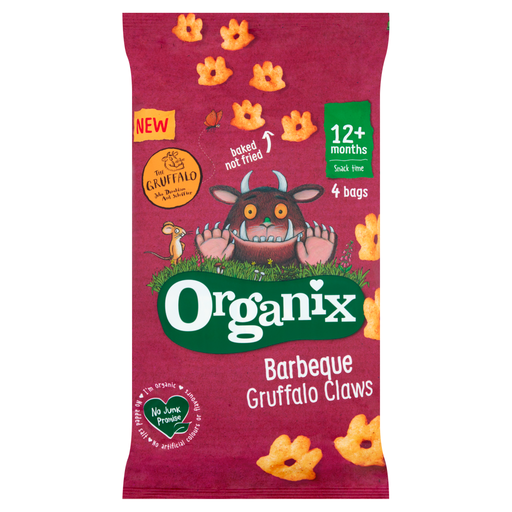 Image unavailable
Organix Barbeque Gruffalo Claws Corn Puffs, 12+ Months, 4x15g
An age-marked savoury option to consider when the aim is a packaged toddler snack, not a protein-focused one. The pack is marked 12+ months and contains four 15g bags; check the ingredients and supervise the child while eating.
View on Joybuy
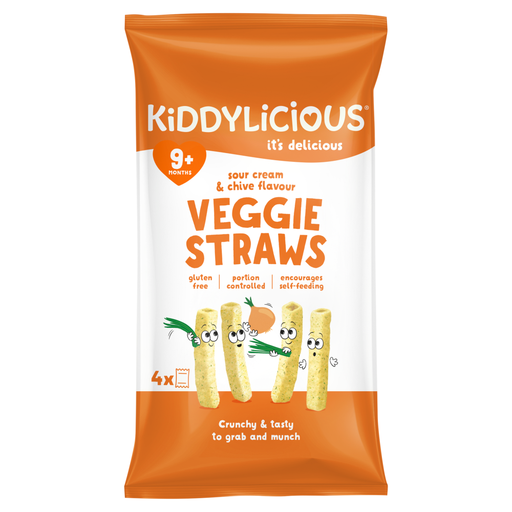 Image unavailable
Kiddylicious Sour Cream & Chive Lentil Straws, 9+ Months, 4x12g
An age-marked lentil-based savoury snack, rather than a substitute for a toddler protein food. The pack is marked 9+ months and contains four 12g bags; check its salt, ingredients and allergen information before offering it to the child.
View on Joybuy
Common questions
Are high-protein crisps suitable as a regular toddler snack?
Do not use them as a regular toddler protein snack. The NHS lists crisps among salty foods to avoid for babies, and a higher protein figure than another crisp does not establish suitability for a young child.
What could provide protein at toddler snack time instead?
Consider age-appropriate dairy, eggs or pulses that fit the child's diet, allergies and chewing ability. The NHS identifies milk and dairy as protein sources, while Worcestershire Acute Hospitals NHS Trust also lists foods including eggs, fish, meat and pulses.
Does a lentil crisp count as a toddler protein food?
A lentil base alone does not make a crisp a toddler protein choice. Tyrrells lists 3.9g protein but also 0.60g salt per 30g serving of its Sour Cream & Onion Lentil Crisps; check both figures and the exact ingredients rather than relying on the word “lentil”.
What if my child has been advised to have more protein?
Ask the child's clinician or dietitian which foods, portions and preparations suit their circumstances instead of selecting crisps by a protein claim. Worcestershire Acute Hospitals NHS Trust discusses food-based approaches for children with particular growth or energy needs.


