
24/7 Customer Support

Free returns

Same-day & Next-day Delivery

Quality Guaranteed

Unlock Your Welcome Offers: FREE Delivery | Up to 80% OFF | Free 30-day JoyPlus trial
Download the APP
High protein drinks can make it easier to increase daily protein intake when you are travelling, heading to work or leaving the gym. However, a prominent protein figure does not tell the whole story. Calories, sugar, allergens, serving size and protein source can all change whether a product suits your routine.
Before choosing between ready-to-drink protein shakes, protein nutrition shakes and sparkling protein water, look beyond the front-of-pack claims.
A bottle may advertise a high protein amount, but pack sizes vary considerably. A 500ml milk protein shake and a 250ml can are not directly comparable unless you also check the amount per 100ml and the total calories.
For example, some 500ml shakes provide 42g of protein and 240 calories, while smaller 330ml bottles may provide 20g to 26g. A higher protein serving may be useful for heavy users, but it may not be necessary if you are simply looking for a high-protein snack.
A zero-sugar protein drink can still contain sweeteners, flavourings and other ingredients that you may prefer to limit. Conversely, a milk-based shake may contain naturally occurring milk sugars even when it contains no added sugar.
Always review the nutrition panel for energy, carbohydrates, sugars and fat per serving. If you follow a calorie-controlled diet, compare calories alongside protein rather than treating “high protein” as a complete nutritional description.
Collagen protein water is different from a milk-based shake. Sparkling protein water products listed here use hydrolysed bovine Type I collagen peptides, while many creamy shakes use milk protein concentrate, skimmed milk or milk protein isolate.
This matters for dietary suitability. A collagen drink may be dairy-free and Halal certified, but it is bovine-derived and is not suitable for vegetarians. Milk-based options may be suitable for vegetarians but contain milk, making them unsuitable for people with a milk allergy or intolerance.
For a practical comparison, check:
A post-workout protein drink is usually chosen for convenience, so a sealed, ready-to-drink bottle may be more useful than a powder if you do not have access to a shaker or clean water. For desk drawers, gym bags and commuting, individual bottles or cans are also easier to portion.
A low-calorie protein shake can work well between meals, but the right choice depends on your wider diet. The products in this selection range from 44 calories per 330ml can for sparkling collagen drinks to 240 calories per 500ml bottle for higher-protein milkshakes.
Some options also provide fibre. Applied Nutrition’s 330ml strawberry shake lists 5g of fibre and 20g of protein per bottle, while its 330ml white chocolate shake lists 20.2g of protein and 126 calories. Check the exact flavour’s label, as nutritional values can differ between varieties.
In the UK, ingredients and allergen information should be checked before purchase, particularly if you have allergies or intolerances. Look for clearly stated information such as:
For instance, REP Vanilla Protein Shake contains milk and is described as vegetarian and gluten-free. The Applied Nutrition sparkling drinks are described as lactose-free, dairy-free, gluten-free and Halal certified, but their collagen source is bovine. Formulations and packaging can change, so always check the product label supplied with your order.
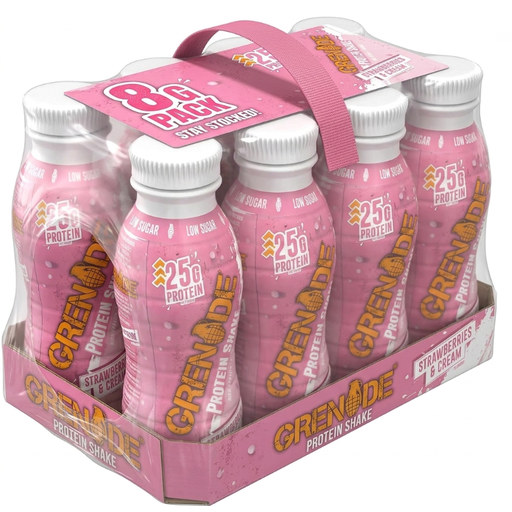
Why This Fits Their Persona: A straightforward ready-to-drink option for adults who want a familiar milkshake-style protein snack without preparation. Each 330ml bottle provides 26g of protein.
The 330ml serving makes the protein amount easy to compare with other single bottles. The label also clearly identifies milk as an allergen.
26g protein per bottle; no mixing required; convenient eight-bottle pack.
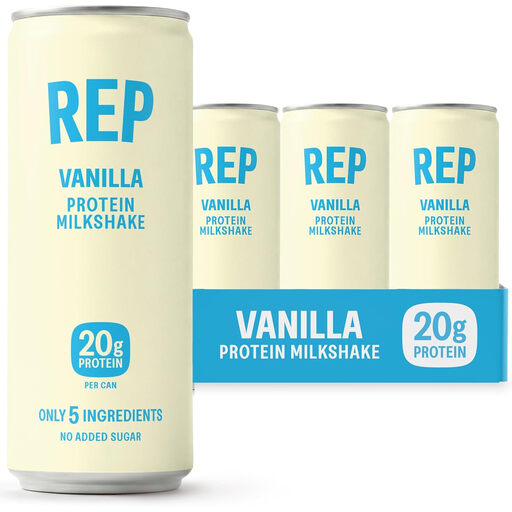
Why This Fits Their Persona: Suitable for shoppers who prefer a short ingredient list and a smaller 250ml portion for everyday use, commuting or between-meal nutrition.
The product description lists five ingredients and identifies its milk source, helping buyers assess simplicity and allergen suitability before ordering.
20.3g protein; 150 calories; vegetarian and gluten-free; no artificial sweeteners, flavours, preservatives or stabilisers listed.
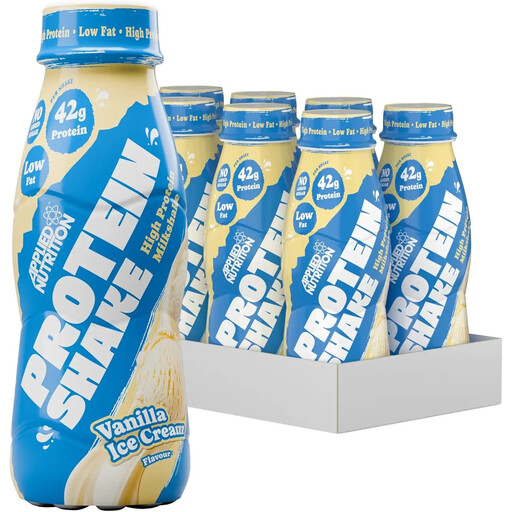
Why This Fits Their Persona: A larger serving for gym-goers, athletes and busy professionals who want a substantial milk protein shake after training or during a demanding day.
Its 500ml serving and full nutrition panel make the larger portion transparent: 42g protein, 240 calories and 17g sugars per bottle.
42g protein; ready to drink; low fat; suitable for vegetarians; available in a pack of eight.
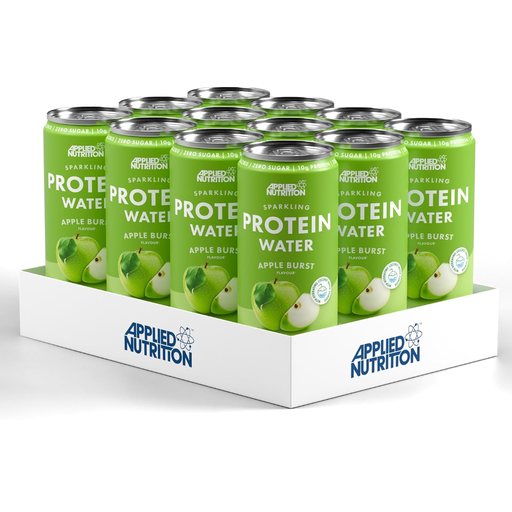
Why This Fits Their Persona: A refreshing alternative to creamy shakes for adults seeking a chilled, lightly carbonated collagen protein water in a dairy-free format.
The can size, protein amount and calorie count are clearly stated: 10g collagen protein and 44 calories per 330ml can. It is not a vegetarian product because the collagen is bovine.
44 calories per can; labelled zero sugar; dairy-free, gluten-free and Halal certified; lightly sparkling format.
We have compiled a complete, real-time list of products that fully satisfy these strict selection criteria and UK safety regulations.
They can be a convenient way to consume protein after exercise, particularly when preparing food is impractical. Choose according to your total daily requirements, calorie target and dietary needs rather than assuming a larger serving is automatically appropriate. Follow the product’s stated serving guidance and maintain a varied diet.
Storage varies. Some unopened products can be kept in a cool, dry place, while opened milk-based drinks generally require refrigeration and should be consumed within the period stated on the label. Sparkling cans should be chilled before opening and consumed immediately once opened. Check the best-before information and do not use damaged or bloated packaging.
Milk-based shakes such as REP Vanilla and several Applied Nutrition shakes are described as suitable for vegetarians, but they contain milk. The Applied Nutrition sparkling drinks are described as Halal certified and dairy-free, but contain bovine collagen and therefore are not vegetarian. Always verify the current packaging, certification and allergen statement before purchase.