
24/7 Customer Support

Free returns

Same-day & Next-day Delivery

Quality Guaranteed

Unlock Your Welcome Offers: FREE Delivery | Up to 80% OFF | Free 30-day JoyPlus trial
Download the APP
By Joybuy Product Recommendation Officer
Choosing high-protein food and seafood products can make everyday meals easier, but packaging does not always tell the full story. A large “protein” claim may refer to the whole pack rather than a realistic serving, while frozen seafood can vary considerably in preparation, storage and usable weight.
For UK households, the most common purchasing pitfalls are:
A more reliable approach is to compare the nutrition panel, ingredient list, net weight and storage instructions together.
The UK nutrition panel usually gives values per 100g, but this is not always the amount you will eat. A 400g cooked lobster containing 20g of protein per 100g provides a different practical portion from a 250ml protein shake containing 20.3g per can.
For snacks, check both protein and energy. For example, a 40g protein bar may provide around 9–10g of protein, but could also contain 200 or more calories. Protein cereal may be useful at breakfast, yet its contribution depends on the serving size and whether it is served with milk or a plant-based alternative.
“Frozen seafood” covers several formats:
Always follow the pack instructions. Frozen foods should generally be kept at -18°C or below, defrosted in the refrigerator where instructed and not refrozen after thawing.
Shellfish products may contain molluscs or crustaceans, while protein shakes and whey protein contain milk. EAA powder and other amino acid supplements can include sweeteners, colourings or a “may contain milk” warning.
For vegetarians and vegans, inspect the full ingredient list rather than relying only on front-of-pack wording. Some protein bars contain soya, milk or honey. Similarly, ready-to-eat meat products may include fish sauce, soya sauce or wheat.
Nutritional supplements should complement a varied diet rather than replace it. Meal replacement shakes also have specific usage limits and suitability warnings, so check the label carefully.
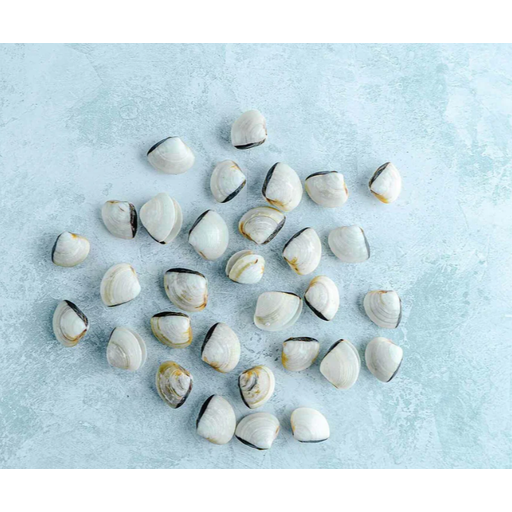
Why This Fits Their Persona: A 1kg pack suits family pasta, paella, chowder and soup recipes, helping spread the cost across several meals.
The pack states that the clams are already cooked, so they require gentle reheating rather than a long cooking process.
Provides 10.1g protein per 100g and can be portioned into different recipes. Contains molluscs.
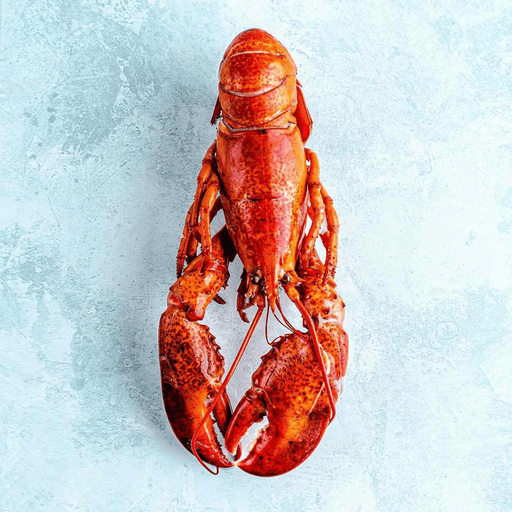
Why This Fits Their Persona: A whole cooked lobster offers a special-occasion option for dinner parties, salads, sandwiches or serving with melted butter.
The product is clearly described as cooked and frozen, with defrosting guidance and a short three-minute heating instruction.
Contains 20g protein and 94kcal per 100g. Ready to serve hot or cold once defrosted. Contains crustaceans.

Why This Fits Their Persona: Large IQF scallops suit seafood enthusiasts who cook regularly and want control over portion sizes.
IQF pieces can be removed individually, reducing the need to thaw the complete pack. They are raw and must be cooked before eating.
Large 10/20 sizing, roeless presentation and 23.2g protein per 100g. Contains molluscs.
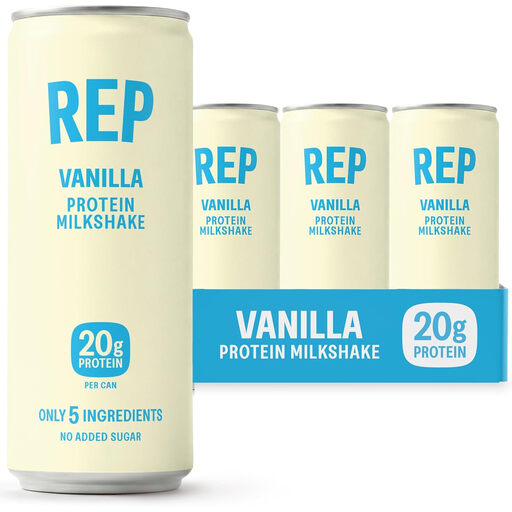
Why This Fits Their Persona: Chilled ready-to-drink cans work for commuting, office drawers or post-gym use when mixing whey protein is inconvenient.
The stated serving is one 250ml can, making the protein and calorie figures straightforward to compare.
Provides 20.3g protein and 150kcal per can, with five listed ingredients. Contains milk and is suitable for vegetarians.
We have compiled a complete, real-time list of products that fully satisfy these strict selection criteria and UK safety regulations.
Ready-to-drink protein shakes and individually wrapped protein bars require little preparation. Compare protein per pack, calories, sugar and allergens. A shake may provide more protein than a snack bar, while a bar is easier to carry without refrigeration.
The cost depends on pack price, usable weight, freezer space and waste. IQF seafood can reduce waste because you can use only the required quantity. However, allow for defrosting time and check whether the product is already cooked or requires full cooking.
No. A meal replacement product should be used according to its label and as part of a varied diet. Some products limit the number of replacement servings per day and are unsuitable for children, pregnant or breastfeeding women, or people with certain medical conditions. Check the packaging and seek professional advice where appropriate.