
24/7 Customer Support

Free returns

Same-day & Next-day Delivery

Quality Guaranteed

Unlock Your Welcome Offers: FREE Delivery | Up to 80% OFF | Free 30-day JoyPlus trial
Download the APP
Finding high-protein foods and supplements in the UK should be straightforward, but product labels and marketing language can make comparison difficult. A protein bar may contain less protein than expected, a ‘recovery’ powder may not suit your diet, and a large frozen pack can create unnecessary waste if storage is inconvenient.
This guide explains what to check before buying, from protein quantity and ingredients to allergens, storage and value for money. It also highlights suitable options for different lifestyles, including gym-goers, busy professionals, vegetarians, vegans and customers planning meals at home.
Always compare the protein per serving, not just the words on the front of the pack. A product can be marketed as a protein snack while providing only a modest amount per portion. Check both:
For example, a flapjack may provide around 9–9.5g of protein per 50g bar, while a chicken product can provide more than 25g per 100g. Neither is automatically right or wrong; the useful choice depends on whether you need a snack, meal ingredient or post-training supplement.
Terms such as ‘natural’, ‘clean’ and ‘recovery’ are not substitutes for reading the ingredient list. Protein bars may also contain dates, syrups, fats or sweeteners, while canned meat products can be relatively high in salt.
Supplements such as BCAA powder and L-glutamine powder should be viewed as additions to a balanced diet rather than replacements for protein-rich meals. Follow the stated dosage and check warnings, particularly if you take medication or have a medical condition.
Common allergens in high-protein products include milk, soya, peanuts, nuts, fish, wheat and gluten. ‘Plant-based’ does not always mean allergen-free: soya protein is common in vegan protein foods and some products may contain traces of other allergens.
Before ordering, check the current packaging, ingredient list and storage instructions. This is especially important for chilled and frozen meat, products containing marine collagen and shared manufacturing facilities.
Choose the format that fits your routine:
Look at the full nutrition panel. Protein quantity should be considered with calories, fat, saturated fat, carbohydrate and salt, particularly when choosing everyday healthy snacks.
Frozen meat should generally remain at -18°C or colder, while chilled products require refrigeration within the temperature range stated on the label. Do not refreeze food after it has thawed unless the packaging specifically permits it.
For meal preparation, larger packs such as 2kg of lentils or multipacks of bars may offer convenience, but only if you can store and use them before quality declines. Opened canned foods should usually be transferred to a suitable container and refrigerated according to the label.
For vegetarian or vegan shoppers, verify whether the product is labelled as suitable rather than relying on assumptions. Marine collagen tablets are not vegetarian or vegan because they contain fish-derived collagen. Whey protein contains milk, while many plant-based bars use soya.
Also check whether a product is ready to eat, ready to cook or requires thorough heating. For meat products, follow the label’s cooking guidance and ensure food is piping hot throughout.
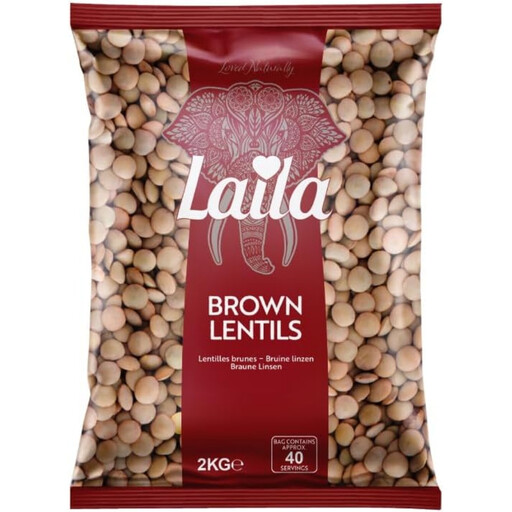
Why This Fits Their Persona: A 2kg pantry pack suits students, new gym-goers and meal-prepping households looking for an affordable vegan protein food.
The label lists brown lentils as the sole ingredient, with 25g protein per 100g dry weight, making comparison clearer than relying on front-of-pack slogans.
Long-life storage, 100% brown lentils and suitability for dals, soups, stews and grain bowls.
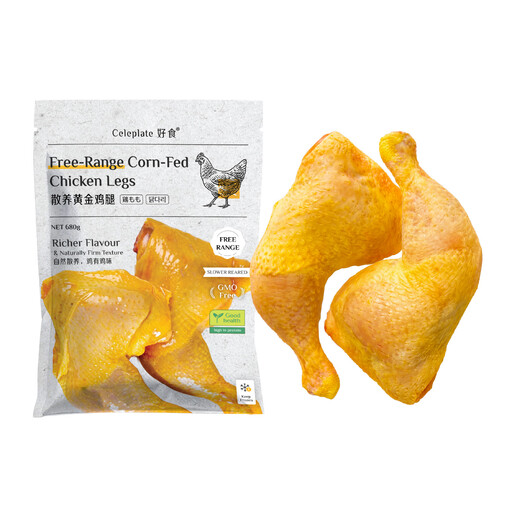
Why This Fits Their Persona: Suitable for home cooks who want a versatile frozen meat ingredient for broths, braises, roasting and Asian-style meals.
The ingredient list states chicken at 100%, while the frozen format and storage instructions make the product’s handling requirements clear.
680g pack, Spanish origin and several cooking methods, including roasting, grilling, braising and steaming.

Why This Fits Their Persona: A compact option for office drawers, commuting and pre-planned protein snacks where no preparation is available.
Its nutrition panel shows 7.2g protein per 45g portion and 13g naturally occurring sugars, helping shoppers judge it as a snack rather than a meal replacement.
Vegan-friendly recipe, four-bar pack and ingredients including dates, peanuts, hazelnuts and cocoa.
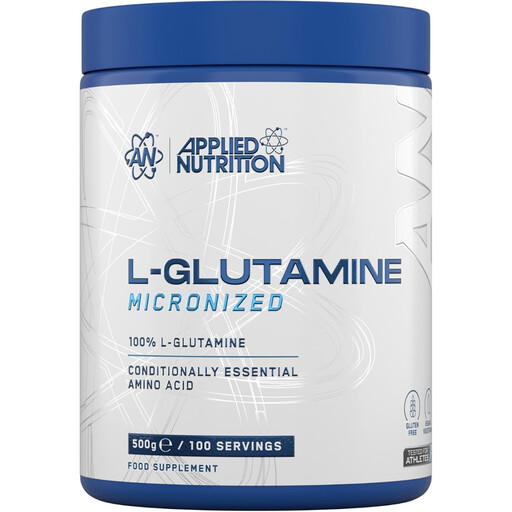
Why This Fits Their Persona: Designed for adults who specifically want an unflavoured amino acid powder that can be added to water, juice or a protein shake.
It is listed as 100% micronised L-glutamine, with a stated 5g portion, rather than combining several unquantified active ingredients.
500g format, single-ingredient formula and unflavoured powder for flexible use.
We have compiled a complete, real-time list of products that fully satisfy these strict selection criteria and UK safety regulations.
A balanced shopping basket can combine several formats:
For UK households, checking storage space, delivery conditions and use-by dates is just as important as comparing protein figures.
Convenient options include canned tuna, ready-to-eat protein bars, frozen meat, cooked meal-prep ingredients, lentils and protein powder. Compare the protein per portion, salt, allergens and preparation requirements before buying.
They can be convenient, but check their complete nutrition panel. Some contain substantial carbohydrate, sugar, fat or salt alongside protein. A bar can fit an active routine, but it should not automatically be treated as a complete meal.
No. Many people can obtain protein from meat, fish, dairy, pulses, eggs and vegan protein foods. Protein powder may be useful when measured convenience is important, but follow the label directions and maintain a varied, balanced diet.