Day hikers comparing protein per bar
If pack space matters, compare the protein in one bar rather than relying on the word ‘protein’ on the front. The British Mountaineering Council also advises taking enough food and drink for the whole day.


If plant-based protein is your priority, TREK says its High Protein range provides 15g per bar. Nature Valley Protein Peanut & Chocolate offers around 10g protein and 4g fibre per 40g bar, provided its ingredients suit you. Either bar is only part of a hiking food plan: the British Mountaineering Council advises carrying enough food and drink for the route, snacking regularly and taking emergency food.
A protein bar can be a convenient item to pack, but the useful choice depends on the rest of your food, the route and any ingredients you need to avoid.
If pack space matters, compare the protein in one bar rather than relying on the word ‘protein’ on the front. The British Mountaineering Council also advises taking enough food and drink for the whole day.
TREK states 15g plant-based protein for its High Protein bars and 9g for its Protein Flapjacks. These are different product lines, so check the exact bar you intend to pack.
Read the ingredients and allergen statement for the exact flavour and pack. A gluten-free or plant-based description does not tell you whether a bar contains nuts, soya or other ingredients you avoid.
Start with the amount in one bar, then consider how that bar fits the food you are carrying and whether its ingredients are suitable for you.
| Priority | What to check | Your needs |
|---|---|---|
| Protein per bar | Compare grams of protein and bar weight for the exact product. TREK states 15g per High Protein bar and 9g per Protein Flapjack; Nature Valley lists around 10g per 40g Peanut & Chocolate bar. | I want to know what one bar contributes, rather than choosing by its product-line name alone. |
| Food for the route | Read energy per bar alongside the rest of your packed food. The British Mountaineering Council advises allowing for route duration, terrain and weather, carrying enough food and drink, and taking emergency food. | For a longer or more demanding walk, I need a plan for meals, regular snacks and water—not just a protein bar. |
| Ingredients and allergens | Check the current ingredients, allergen information and any precautionary statements for the exact flavour. Check dietary descriptions on that product rather than another bar from the same brand. | If I avoid nuts, soya, milk or gluten, the specific pack matters more to me than a broad brand description. |
| Carrying portion | Compare the number and weight of bars in the pack with the portions you intend to carry. Check the storage instructions for the product you buy. | I would rather pack the portions I expect to use and keep emergency food separate. |
TREK states 15g per bar for its High Protein range but 9g for its Protein Flapjacks. The name alone does not show the portion you will get.
Compare protein grams and bar weight on the current pack before choosing a flavour or format.
Food needs vary with the distance, terrain and weather. The British Mountaineering Council advises carrying enough food and drink, snacking regularly and bringing emergency food.
Plan for the full route, and treat the bar as one part of what you carry.
The researched bars have different ingredient and precautionary allergen statements. A gluten-free description does not address nuts, soya or milk.
Read the full current label for the exact flavour and pack size, including any ‘may contain’ wording.
A Weetabix Food Company product list from November 2021 names Alpen Protein Bars, but an older list cannot establish the nutrition or ingredients of a pack bought now.
Check the current pack details when buying a familiar bar again or trying a different flavour.
These examples help distinguish product lines and portions; a brand name alone does not establish the nutrition or allergens of every bar it makes.
TREK describes its bars as plant-based and distinguishes its High Protein range from its Protein Flapjacks.
The Peanut & Chocolate Protein Bar is a 40g portion with around 10g protein and 4g fibre, according to Nature Valley UK.
Eat Natural lists 7.8g protein and 10.0g sugars per 40g Peanuts & Dark Chocolate Protein Bar.
A Joybuy UK listing states 7g plant-based protein for the 45g Protein Cocoa Hazelnut bar.
An Amazon UK listing gives 6.3g protein for a 30g Cocoa Vanilla oat bar.
A Weetabix Food Company product list dated November 2021 names Alpen Protein Bars in Chocolate and Berries flavours.
These Joybuy options include protein bars and a TREK flapjack that you might consider packing for a hike. Compare the exact portion and label of each product; this selection does not replace planning food and drink for your route.
 No image available
For a 40g bar with protein and fibre, Nature Valley UK gives around 10g protein and 4g fibre per Peanut & Chocolate bar. Check the current pack if you avoid peanuts, soya or milk.
 No image available
For a different Nature Valley flavour in 40g portions, compare its per-bar nutrition with the Peanut & Chocolate version rather than assuming the recipes match. Read the Salted Caramel Nut pack for ingredients and allergens.
 No image available
If you plan to carry a 50g bar, compare its protein and energy per bar with your other snacks. Check the Double Chocolate pack for its ingredients, allergens and dietary suitability.
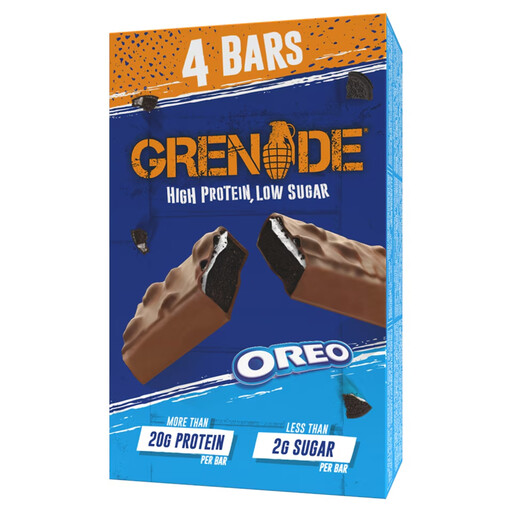 No image available
For a 60g portion, use the exact Oreo Flavour nutrition panel when comparing protein and energy per bar. Check its ingredients and allergen statement before packing it for anyone with dietary restrictions.
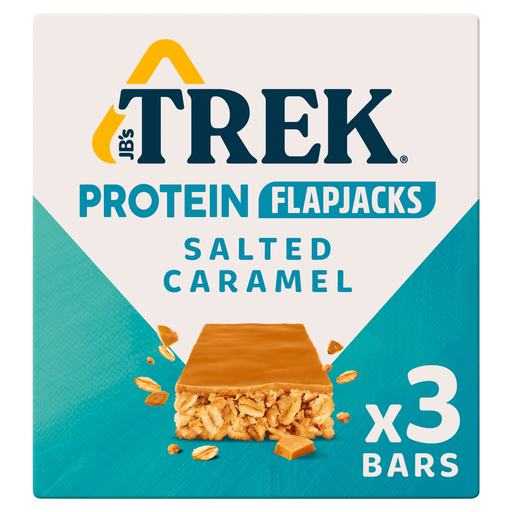 No image available
For an oat-based flapjack to carry on a hike, TREK describes its Protein Flapjack range as plant-based and states 9g protein per bar for the range. Check the Salted Caramel pack for its exact nutrition, ingredients and allergens.
Not on its own. The British Mountaineering Council advises carrying enough food and drink for the day, snacking regularly and taking emergency food; plan for your route, terrain and weather.
No. TREK states 15g protein per High Protein bar and 9g per Protein Flapjack, while Nature Valley UK describes its 40g Peanut & Chocolate bar as providing around 10g. Check the stated serving size when comparing packs.
TREK describes its bars as plant-based, including its High Protein and Protein Flapjack ranges. The nākd. Protein Cocoa Hazelnut bar is another plant-based option; confirm the dietary information and allergens on the exact pack you choose.
No. Gluten-free status does not address other allergens. Nature Valley Protein Peanut & Chocolate contains peanuts and soya, so read the full current ingredient and allergen statement for every flavour under consideration.
No. The British Mountaineering Council says ordinary foods such as sandwiches, snacks and fruit can form part of what you take. Carry enough food and drink for the route and conditions, including emergency food.