Hosts filling a savoury snack bowl
If guests can eat peanuts, almonds or pistachios, compare their declared protein per 100g alongside flavour, salt and pack size. A bowl for sharing calls for a different quantity from an individual snack pack.


For a small, individually portioned snack, M&S Protein Packed Nut and Seed Mix lists 34.4g protein per 100g, but its 30g pack contains soy as well as nuts and seeds. For a larger bowl, KP Original Salted Peanuts list 30g protein per 100g; the compared Tesco almonds and Sainsbury’s pistachios list less protein but also less salt. These figures come from the retailers’ product declarations, so check the current packs for ingredients, allergens and the quantity you need.
If guests can eat peanuts, almonds or pistachios, compare their declared protein per 100g alongside flavour, salt and pack size. A bowl for sharing calls for a different quantity from an individual snack pack.
Check the salt line rather than judging by the type of nut. Tesco lists 0.39g salt per 100g for its Roasted & Salted Almonds, Sainsbury’s lists 0.06g for its Pistachio Nuts, and Tesco lists 1.2g for KP Original Salted Peanuts.
Ask about relevant allergies and keep each product’s packaging available for ingredient checks. Peanuts and tree nuts are distinct allergen categories, according to the Food Standards Agency. UK Government guidance also says whole nuts should not be given to children under five.
Compare nutrition per 100g first, then check whether the ingredients, pack format and serving plan work for your guests.
| Priority | What to check | Your needs |
|---|---|---|
| Protein | Compare protein per 100g on current labels. M&S lists 34.4g for its Protein Packed Nut and Seed Mix; Tesco lists 30g for KP Original Salted Peanuts, 25.3g for Tesco Roasted & Salted Almonds and 24.7g for Sainsbury’s Pistachio Nuts. | I want to compare protein on the same basis before deciding between a mixed snack and a bowl of nuts. |
| Salt | Check salt per 100g as well as protein. The compared KP salted peanuts list 1.2g, Tesco roasted and salted almonds 0.39g, and Sainsbury’s pistachios 0.06g, according to their retailer declarations. | A lower listed salt figure matters more to me than choosing the product with the most protein per 100g. |
| Allergens | Read each pack’s ingredients and precautionary statements. Tesco says its KP peanuts may contain other nuts, milk, soya and gluten; its almonds may contain peanuts and other nuts. Sainsbury’s says its pistachios are unsuitable for people allergic to other nuts or sesame because of manufacturing methods. | I need guests to be able to check the exact product served, not just the name written on a bowl. |
| Young children | Plan how snacks will be served if children under five will attend. UK Government guidance says not to give them whole nuts and advises chopping or flaking whole nuts, peanuts and seeds. | There will be young children at the party, so I need a serving plan that does not leave whole nuts available to them. |
| Pack format | Check the weight and number of packs separately from protein per 100g. The researched M&S mix is a 30g pack, KP salted peanuts a 250g pack, and Sainsbury’s pistachios a 100g pack. | I’m serving a group and need enough snacks, rather than choosing by the nutrition figure alone. |
The compared products differ in salt, ingredients and pack format as well as protein. M&S’s 30g mix contains soy, nuts and seeds, while Tesco lists 1.2g salt per 100g for the compared KP salted peanuts.
Compare protein and salt per 100g, then check the ingredients and choose a pack format that suits how you will serve it.
The Food Standards Agency distinguishes peanuts from tree nuts, but the compared products also carry product-specific warnings about other allergens.
Ask guests about relevant allergies, retain the original packaging and check the exact product before offering it. Do not describe an open bowl as allergy-safe on the basis of its named nut alone.
Whole nuts present a choking risk for young children. UK Government guidance says they should not be given to children under five.
Provide a different age-appropriate snack, or follow the Government’s advice to chop or flake nuts, peanuts and seeds.
A 30g individual pack and a larger sharing pack may have comparable per-100g declarations but provide different amounts of food for guests.
Plan quantities using pack weights and the number of guests, and retain the packaging for allergen checks while serving.
These examples refer to specific products and retailer declarations, not every nut sold under each name.
The KP Original Salted Peanuts listed by Tesco come in a 250g pack for sharing.
Tesco Roasted & Salted Almonds offer an almond option in a 100g pack.
Sainsbury’s Pistachio Nuts provide a 100g pistachio-pack option.
M&S Protein Packed Nut and Seed Mix is an individual 30g pack rather than a pack of nuts alone.
These peanut and cashew packs are options for a Christmas-party snack bowl. Check each current product label for protein, salt and allergens before choosing for your guests.
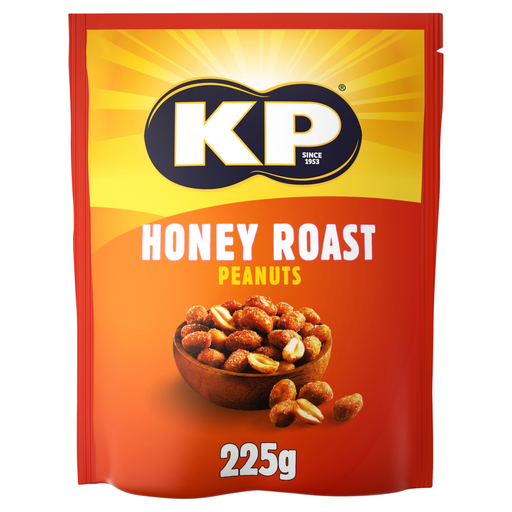 No image available
A 225g honey-roast peanut pack for a party snack bowl. Check the current label for protein, salt and allergens before serving.
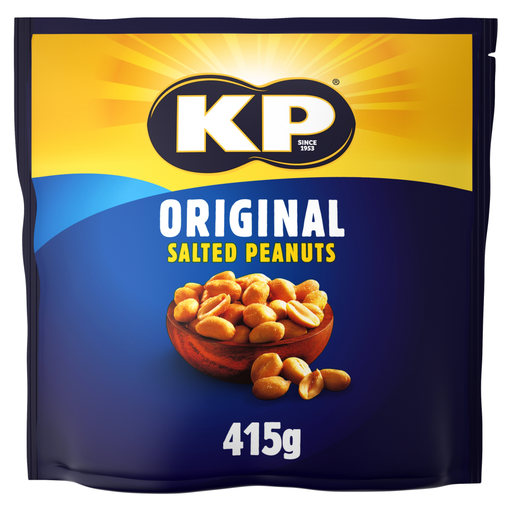 No image available
A 415g salted peanut pack to consider when filling a sharing bowl. Check this pack’s own nutrition and allergen label rather than applying figures from a different pack size.
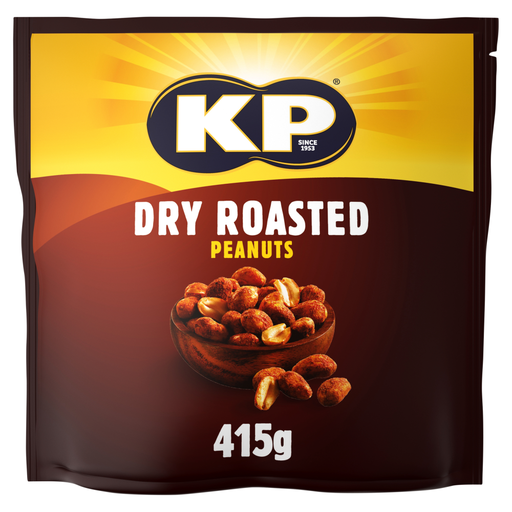 No image available
A 415g dry-roasted peanut option for sharing. Compare its declared salt and ingredients with other peanut flavours if those differences matter to your guests.
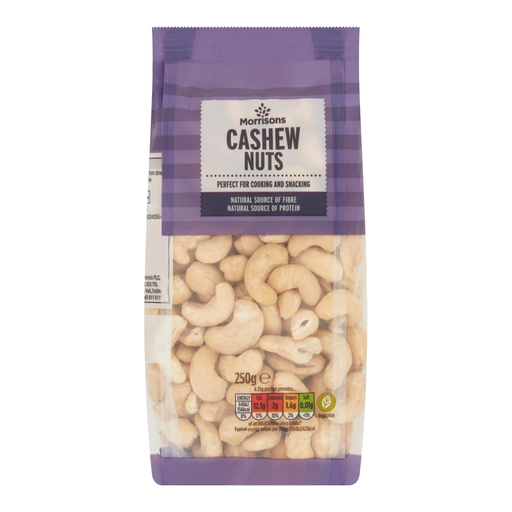 No image available
A 250g cashew pack if you want to offer a nut other than peanuts. Cashews are not an allergy-safe substitute; check the current pack and your guests’ requirements.
 No image available
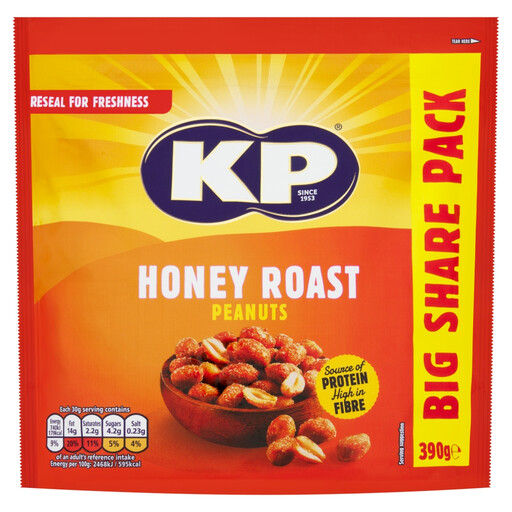
This 390g pack offers the honey-roast peanut flavour in a different size from the 225g option. Check the nutrition and allergen information for this variant before deciding which pack to serve.
M&S Protein Packed Nut and Seed Mix lists 34.4g protein per 100g, according to Marks & Spencer. It contains soy, nuts and seeds rather than nuts alone. For the compared conventional peanut option, Tesco lists 30g per 100g for KP Original Salted Peanuts.
No. The Food Standards Agency describes peanuts as legumes and distinguishes them from tree nuts such as almonds and cashews. Check each guest’s requirements and the exact pack’s ingredients and allergen warnings; the distinction does not make either type suitable for someone allergic to it.
Do not give them whole nuts. UK Government choking guidance advises chopping or flaking whole nuts, peanuts and seeds; you can also plan a different age-appropriate snack.
Keep the original packaging with each product so guests can check its ingredients and warnings. Ask about relevant allergies before serving, and do not assume that changing from peanuts to another nut removes the concern.