People planning protein-containing snacks
If nuts are part of your meals or between-meal snacks, compare protein per 100 g and for the amount you expect to eat. The figure for a full 100 g is not the figure for a smaller serving.


For a high-protein eating pattern, compare nuts by the protein listed per 100 g, then consider how much you will actually eat. KP Nuts, Tesco Groceries and Marks & Spencer list 26.7–30 g protein per 100 g across three peanut products, but their salt values differ; portion size, flavouring and allergen information can change which pack suits you.
If nuts are part of your meals or between-meal snacks, compare protein per 100 g and for the amount you expect to eat. The figure for a full 100 g is not the figure for a smaller serving.
If you eat nuts often, look beyond protein to salt per 100 g and energy per serving. Plain and salted peanut products can differ on those measures.
An individual pack may make a planned serving easier to carry. Check its weight and nutrition label rather than assuming that every snack pack provides the same amount of protein.
Start with the nutrition panel for the exact product and serving you have in mind. Protein alone does not describe its salt, energy or ingredients.
| Priority | What to check | Your needs |
|---|---|---|
| Protein | Compare protein per 100 g on the same basis, then use the label to work out the amount in your intended serving. KP Nuts lists 30 g per 100 g for Original Salted Peanuts; Tesco Groceries lists 27.1 g for Tesco Roasted Salted Peanuts; Marks & Spencer lists 26.7 g for its Roasted Peanuts. | I want to know what the portion I plan to eat contributes, not just which pack has the largest per-100-g figure. |
| Salt and flavouring | Read salt per 100 g and the ingredient list for the exact flavour. KP Nuts lists 1.3 g salt per 100 g for Original Salted Peanuts, while Marks & Spencer lists 0.03 g for its Roasted Peanuts; these figures are for those products, not every pack from either brand. | If nuts are a regular snack for me, I want to compare plain and seasoned options alongside their protein figures. |
| Portion and energy | Check the pack weight and energy per serving, as well as per 100 g. The British Heart Foundation gives roughly 180–225 kcal for a 30 g portion of nuts, depending on the type. | A pack I can divide into planned servings, or an individual pack, may fit my routine better than eating directly from a large bag. |
| Allergens | Read the current ingredients, allergen declaration and any precautionary statement for the exact pack. Peanuts and tree nuts are distinct allergen categories, as identified by the Food Standards Agency; a category name cannot establish whether a particular product is suitable for someone with an allergy. | Before choosing a product, I need its current pack information to address the allergens relevant to me. |
A per-100-g protein figure does not tell you the salt or energy in the amount you will eat. The peanut products listed by KP Nuts and Marks & Spencer above have different declared salt values.
Compare protein and salt on the same label basis, then check the nutrition information for your intended portion.
Coatings and seasonings vary. KP Nuts lists salt and sunflower oil for Original Salted Peanuts, while Marks & Spencer describes its Honey Roasted Peanuts as coated with honey, sugar and salt.
Read the ingredient list and nutrition panel for the flavour and pack you intend to buy; do not apply plain-nut figures to it.
Portion size changes the energy and protein consumed. The British Heart Foundation gives roughly 180–225 kcal for 30 g of nuts, depending on the type.
Check the pack’s serving weight and measure out the amount you intend to eat, or compare individual packs if they suit your routine.
Recipes and pack information can change. For someone with an allergy, a general description of peanuts or tree nuts cannot establish the suitability of an exact product.
Check the current physical-pack allergen information for the precise variant and follow advice from your healthcare professional about your allergy.
These examples give product-specific label figures to compare; they do not describe every nut sold by each brand or retailer.
KP sells several peanut flavours, including Original Salted and Dry Roasted.
Tesco lists own-label peanuts alongside other peanut products.
Marks & Spencer lists roasted peanuts as well as seasoned variants.
These peanut products cover roasted snacks and raw kernels for food preparation. Compare the exact pack’s nutrition and allergen information before deciding which meets your needs.
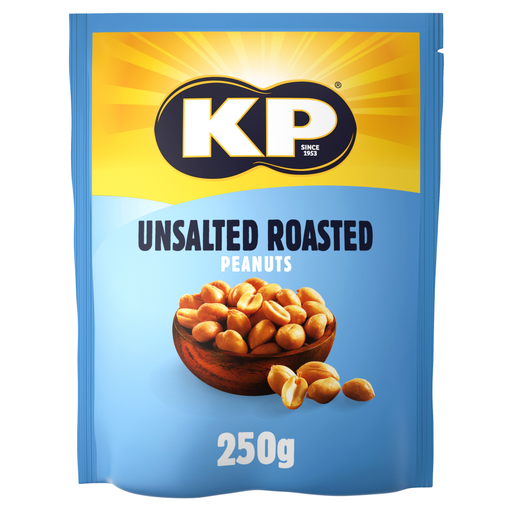 No image available
A roasted, unsalted option if you want a peanut snack without a salted flavour. Check the current pack for protein, energy, ingredients and allergen information.
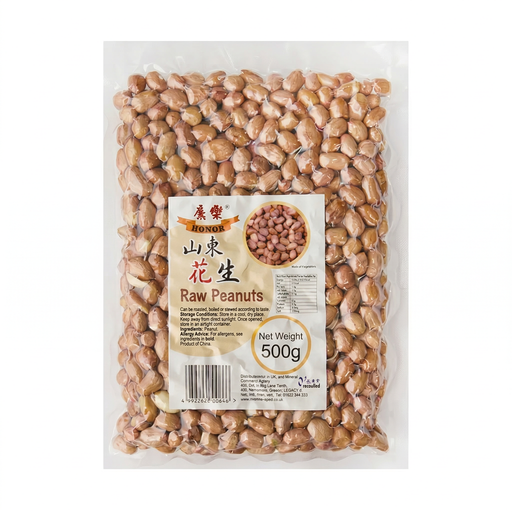 No image available
Raw peanuts for a food-preparation choice rather than a ready-roasted snack. Check the pack’s preparation instructions and nutrition information for the amount you plan to use.
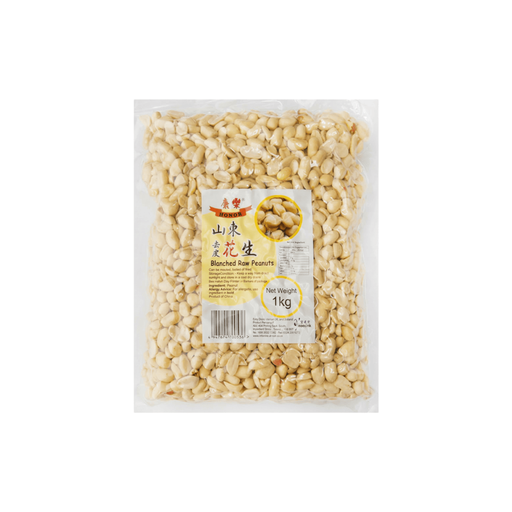 No image available
Blanched kernels may suit a recipe calling for peanuts without their skins. Check preparation instructions, the nutrition panel and allergen information on the exact pack.
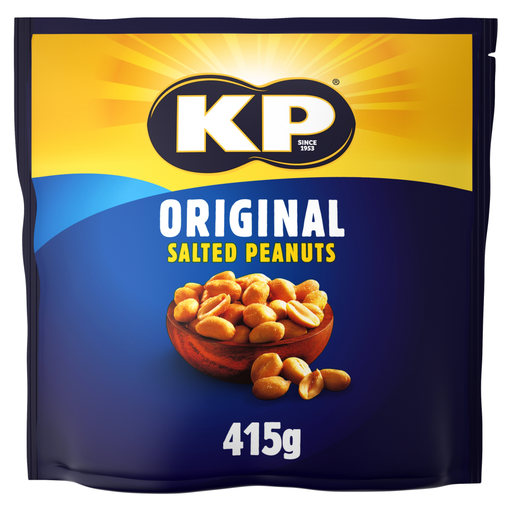 No image available
A salted peanut snack. Compare the current pack’s protein and salt values with an unsalted option if both measures matter to your choice; do not assume another pack size has identical label figures.
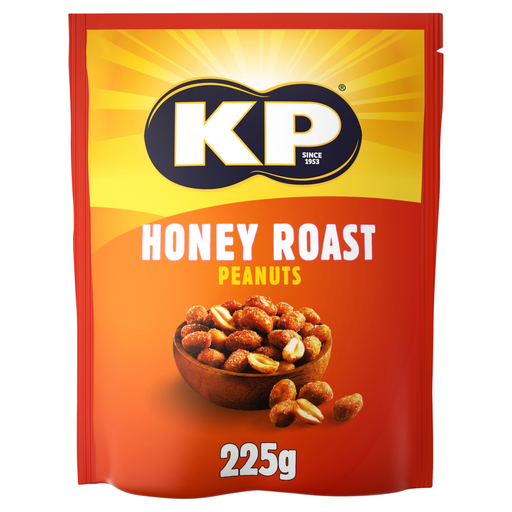 No image available
A honey-roast peanut snack for someone choosing that flavour. Read this pack’s ingredients and sugar, salt and protein figures rather than applying the values of plain or salted peanuts.
Yes. KP Nuts, Tesco Groceries and Marks & Spencer list 26.7–30 g protein per 100 g across the three peanut products discussed here. That range does not describe all peanuts or other nuts: check your chosen pack and the amount you intend to eat.
Compare the exact products’ ingredients and salt per 100 g alongside protein. Marks & Spencer lists 0.03 g salt per 100 g for its Roasted Peanuts, while KP Nuts lists 1.3 g for Original Salted Peanuts; “dry-roasted” by itself does not tell you a product’s salt value.
It determines how much of the labelled protein and energy you consume. The British Heart Foundation gives roughly 180–225 kcal for a 30 g portion of nuts, depending on type, so compare the label with the serving you plan to have.
No. The Food Standards Agency identifies peanuts and tree nuts as distinct allergen categories, but that distinction does not establish whether a particular product is safe for an individual. Check the current pack’s ingredients and allergen statements and follow advice from your healthcare professional.
Check the ingredient list, allergen declaration and any precautionary statement on the current pack for the exact variant. GOV.UK explains that UK food businesses must provide information about specified allergens used as ingredients; an older online listing should not replace the pack check.