Organisers planning a protein-focused break
Compare what delegates would receive from a shared serving station with what they would receive in a fixed pack. A declared protein figure per 100g does not, by itself, describe an individual portion.


For a conference snack station, plain peanuts offer a short ingredient list and a way to serve nuts in measured portions; individually packed nut-and-seed mixes make allocation easier. Salted or flavoured nuts are a separate menu choice, not an interchangeable substitute. Check protein against the amount each delegate will receive, and agree how the caterer will provide accurate allergen information before choosing any nut product.
Compare what delegates would receive from a shared serving station with what they would receive in a fixed pack. A declared protein figure per 100g does not, by itself, describe an individual portion.
Decide how ingredient information will reach attendees and how nut products will be handled during service. If that cannot be managed for a particular serving setup, plan a separate refreshment option rather than treating nuts as suitable for everyone.
Individual packs give each attendee a defined portion. Larger bags need a serving method that keeps portions and allergen information clear at a buffet or breakout station.
Start with the serving format and allergen plan, then compare protein and salt using the same portion basis. The product examples below illustrate different choices; their labels should be checked again when ordering and serving.
| Priority | What to check | Your needs |
|---|---|---|
| Protein per portion | Compare protein per 100g and per intended serving. M&S lists 10g protein in its 30g Protein Packed Nut and Seed Mix pack; Sainsbury's lists 29.3g per 100g for its Fairtrade Peanuts. | I need to know how much each delegate will actually receive, rather than choosing by a protein claim on the front of the pack. |
| Allergen information | Read the current ingredients and allergen statements, then establish how information will be given for the chosen service format. The Food Standards Agency says catering food businesses must provide allergen information; its guidance specifies a food name and full ingredients label with allergens emphasised for food prepacked for direct sale. | If attendees need to avoid peanuts or tree nuts, I need an appropriately managed alternative and clear information at the point of service. |
| Salt and ingredients | Compare salt per 100g on like-for-like labels and read the seasoning ingredients. Sainsbury's lists less than 0.01g salt per 100g for its Fairtrade Peanuts, while KP lists 1.3g per 100g for Original Salted Peanuts. | For a plain snack table, I would check an unseasoned product first. If the menu calls for savoury peanuts, I would assess that product's own label. |
| Service format | Check the weight of an individual pack or the planned serving from a larger bag. Keep the product identity and its allergen information clear when filling or replenishing bowls. | Allocated snacks call for defined packs; a self-serve station needs a workable way to portion and identify what is in each bowl. |
A nut-and-seed mix can introduce allergens beyond peanuts. M&S states that its Protein Packed Nut and Seed Mix contains almonds and soybeans and is unsuitable for people with nut, peanut or sesame allergy.
Agree the allergen-information and handling arrangements before selecting the snack. Provide a separate option where the nut product cannot meet attendees' needs.
The amount served matters: Marks & Spencer lists 10g protein for one 30g pack of its Protein Packed Nut and Seed Mix. A buffet portion is not defined simply by a product's per-100g figure.
Set the intended portion before comparing products, and use the pack's per-serving declaration where one is given.
Sainsbury's declares less than 0.01g salt per 100g for its Fairtrade Peanuts; KP declares 1.3g per 100g for Original Salted Peanuts. Both figures apply to those named products, not every peanut pack.
Choose the flavour deliberately and compare the current salt declarations on the exact products under consideration.
Unsalted, honey-roasted and herb-flavoured products are different variants. A change of variant can also change which ingredients and allergens need to be communicated.
Before ordering a substitute, match its full name and pack size, then check its current ingredients, nutrition declaration and allergen statement.
These named products provide useful label comparisons; a brand name alone does not establish the ingredients or nutrition of another product in its range.
Its Fairtrade Peanuts provide a plain-peanut reference for comparing protein, salt and ingredients.
KP Original Salted Peanuts provide a branded savoury-peanut comparison across larger bags and multipacks.
Its Protein Packed Nut and Seed Mix illustrates a fixed, individual-pack alternative to a shared bowl.
These options cover a larger bag of unsalted peanuts, flavoured nuts and individually packed nut bars. The bars offer a different format from a nut-and-seed mix, so check their own labels rather than applying the mix's nutrition figures to them.
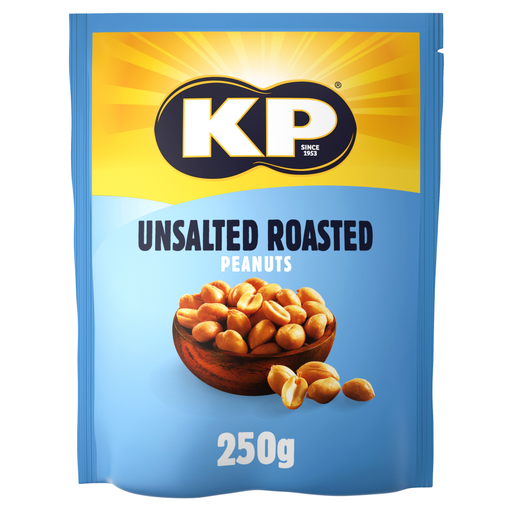 No image available
A 250g peanut bag to consider for a staffed or clearly labelled snack station. Decide how it will be portioned and check the pack's current nutrition and allergen information before service.
 No image available
A herb-flavoured 100g mix for a snack table where both peanuts and hazelnuts can be clearly identified. Check the full allergen statement and nutrition declaration for this variant.
 No image available
A four-bar pack to consider when distributing snacks individually rather than filling a shared bowl. It is a peanut-and-chocolate bar, not plain nuts; check protein per bar and the complete ingredient and allergen information.
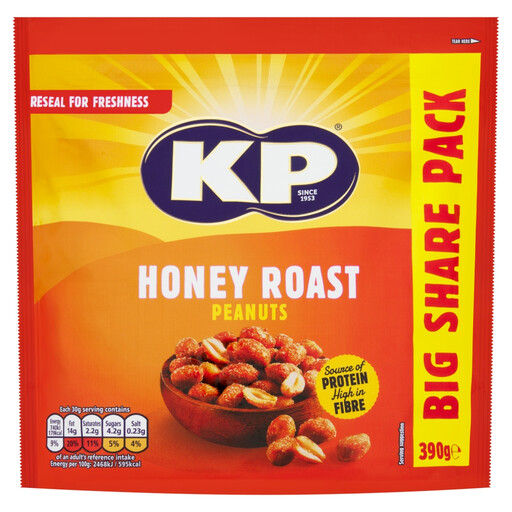 No image available
A 390g honey-roast variant for a sweet-flavoured peanut bowl. Compare its own sugar, salt and protein declarations with any plain or salted option being considered, and plan how the bowl will be labelled.
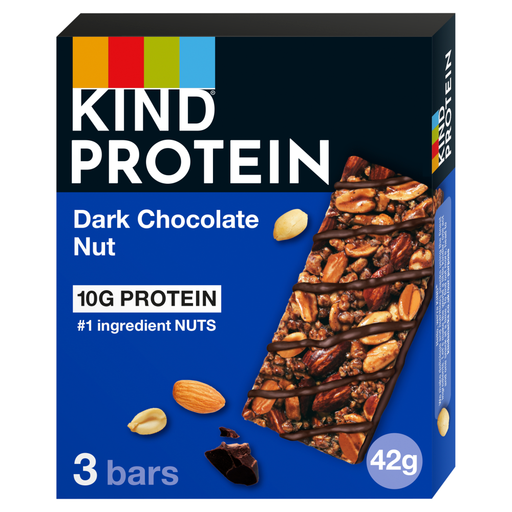 No image available
A three-bar pack for allocated snacks rather than loose nut servings. Check protein per 42g bar and the current ingredient and allergen statements; do not treat a chocolate nut bar as equivalent to plain peanuts.
Yes, provided the food business manages allergens and gives attendees the required allergen information. The Food Standards Agency's guidance covers catering businesses; Food Standards Scotland also says businesses must provide allergen information for prepacked and non-prepacked food. Establish how that information will be available for the actual serving setup.
No. Packs define portions but do not remove the need for accurate allergen information. Food Standards Agency guidance says food prepacked for direct sale must carry its name and a full ingredients list with allergens emphasised; check which labelling and service requirements apply to the food you provide.
Marks & Spencer lists 10g protein in one 30g pack of its Protein Packed Nut and Seed Mix. That figure belongs to this specific mix, which contains almonds and soybeans; it must not be applied to other 30g nut packs.
Choose by the intended flavour and the exact products' declarations. Sainsbury's lists less than 0.01g salt per 100g for its Fairtrade Peanuts, whereas KP lists 1.3g per 100g for Original Salted Peanuts. Both still require an appropriate peanut-allergen service plan.
Check the delivered product's name, pack label, ingredients, allergen statement, date and storage instructions against the planned menu. Sainsbury's warns that product ingredients can change, so use the current pack information when preparing attendee-facing details.