Shoppers comparing protein
Check protein per 100g on the exact peanut or nut product, then look at the amount in the pack or portion you expect to eat. A flavoured mix and a plain peanut product need not have the same nutrition values.


For a ready-to-eat peanut snack with a stated protein figure, KP Original Salted Peanuts list 30g protein per 100g, alongside 1.3g salt per 100g, according to KP Nuts. If a spread works instead of whole nuts and the declared salt figure matters more, Marks & Spencer lists 26.6g protein and less than 0.01g salt per 100g for its 100% Crunchy Peanut Butter. Compare the exact pack label before ordering, and set substitution preferences if a different product would not meet your ingredient or allergen requirements.
The useful label details depend on whether you want a snack, a spread or an exact product in your delivery.
Check protein per 100g on the exact peanut or nut product, then look at the amount in the pack or portion you expect to eat. A flavoured mix and a plain peanut product need not have the same nutrition values.
Check salt alongside protein rather than choosing by the protein figure alone. KP Nuts lists 1.3g salt per 100g for Original Salted Peanuts; Marks & Spencer lists less than 0.01g per 100g for its 100% Crunchy Peanut Butter, which is a spread rather than a whole-nut snack.
If a different ingredient or allergen declaration would make a substitute unsuitable, set an item-level substitution preference where the retailer offers one. Sainsbury's describes an option to decline substitutions; both Sainsbury's and Tesco describe handing an unwanted substitute back to the driver for a refund.
Start with the format you will use, compare nutrition on the same basis, then check whether the delivered product can be changed.
| Priority | What to check | Your needs |
|---|---|---|
| Protein | Compare protein per 100g on each exact label, then check the pack or serving amount. KP Nuts lists 30g per 100g for Original Salted Peanuts; Marks & Spencer lists 26.6g per 100g for 100% Crunchy Peanut Butter. | I want a disclosed protein figure for the product I will actually eat, not an assumption based on its name or flavour. |
| Salt and ingredients | Read salt per 100g and the ingredient list together. KP Nuts lists 1.3g salt per 100g for Original Salted Peanuts; Marks & Spencer lists less than 0.01g per 100g for its 100% Crunchy Peanut Butter. | A whole-nut snack suits me, but I also care about its salt and ingredients. If a spread would work, I can compare that format too. |
| Serving format | Decide whether you need whole nuts, a spread or a packaged bar. Marks & Spencer lists 20g protein per 55g Peanut Butter Protein Bar; its ingredients include milk-derived proteins, collagen and peanuts. | For a snack away from home, I may prefer a single bar or a pack of nuts. At home, a peanut spread may fit how I plan to use it. |
| Delivery substitutions | Check the retailer's item-level substitution setting and inspect any replacement's nutrition and allergen label. Sainsbury's offers a no-substitution preference; Tesco and Sainsbury's describe returning an unwanted substitute to the driver. | If the exact ingredients or allergen declaration matter to me, I do not want a similar-looking replacement accepted without checking it. |
Whole peanuts, peanut butter and formulated bars have different serving formats. KP Nuts lists 30g protein per 100g for Original Salted Peanuts, while Marks & Spencer lists 26.6g per 100g for its 100% Crunchy Peanut Butter and 20g per 55g Peanut Butter Protein Bar.
Compare per-100g figures first, then check what the portion or pack you intend to eat provides.
KP Original Salted Peanuts also list 1.3g salt per 100g and a precautionary allergen statement. The M&S Peanut Butter Protein Bar is a formulated product containing milk-derived ingredients as well as peanuts.
Read protein, salt, ingredients and allergen information together on each candidate's current label.
A replacement may have a different salt figure, ingredients or allergen declaration, even when its product name sounds similar.
Use a no-substitution preference when the exact item matters. Sainsbury's offers that setting, and both Sainsbury's and Tesco describe handing an unwanted substitute back to the driver for a refund.
Asda says online availability depends on the delivery or collection location selected.
Select your location before building the order, and check that the chosen item remains in your basket.
These examples show where specific label details or ordering controls can help; a retailer's wider range should still be checked product by product.
KP Nuts provides nutrition information for its Original Salted Peanuts.
Tesco Groceries lists own-label and KP peanut products, including salted, dry-roasted, flavoured and unsalted options.
Marks & Spencer provides nutrition details for a 100% Crunchy Peanut Butter and a separate Peanut Butter Protein Bar.
Asda offers online grocery delivery and collection with availability tied to the selected location.
Sainsbury's provides item-level substitution preferences for grocery delivery orders.
These Joybuy listings cover roasted peanut snacks, blanched peanut kernels for cooking and cashews. Check each product's own nutrition and ingredient label when choosing for a particular protein, salt or allergen requirement.
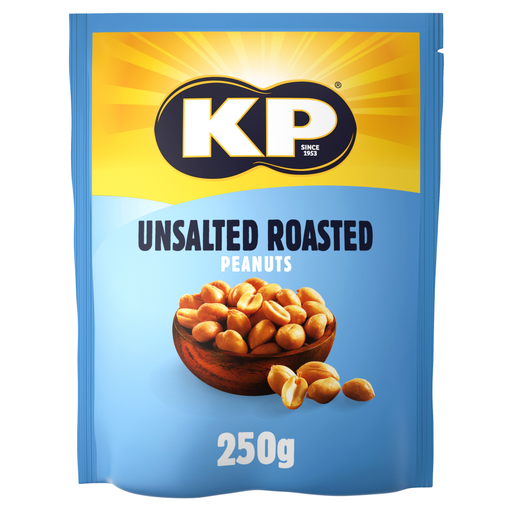 No image available
An unsalted roasted-peanut snack to consider if you want whole peanuts rather than a spread. Check this 250g pack's own protein, salt, ingredient and allergen declarations before ordering.
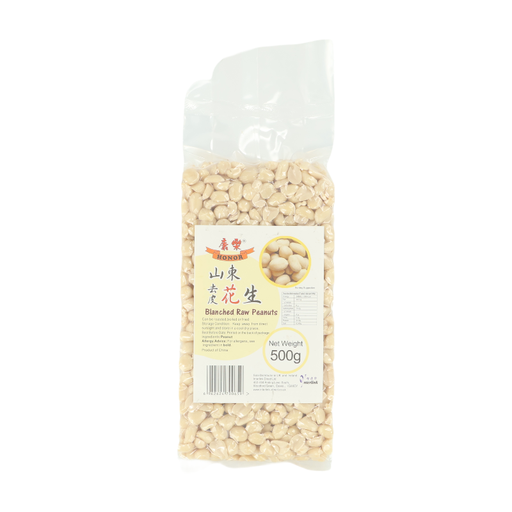 No image available
Blanched peanut kernels for cooking rather than an immediate snack. Follow the pack's preparation directions, and check its nutrition and allergen information if you need particular label values.
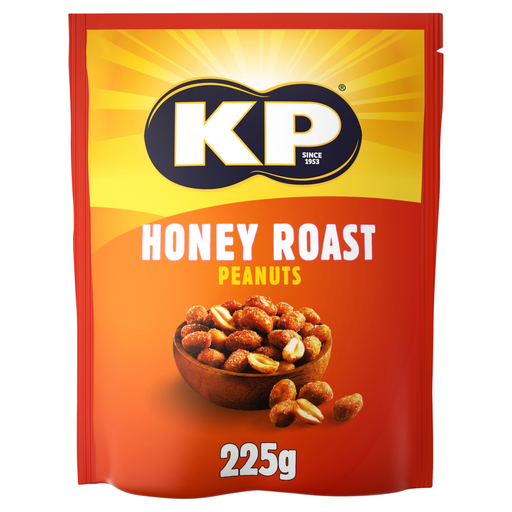 No image available
A honey-roast peanut snack if you prefer a flavoured option. Compare this 225g pack's protein, sugars, salt and ingredients with a plain peanut product rather than treating the two as interchangeable.
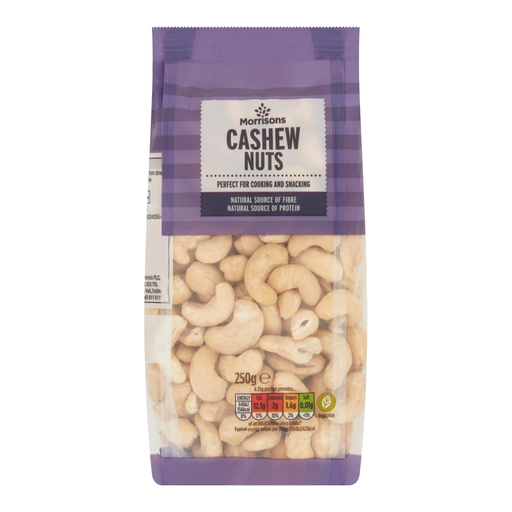 No image available
A whole-nut alternative if you want cashews instead of peanuts. Check the 250g pack's protein and salt per 100g before comparing it with peanut products, and read its allergen declaration.
 No image available
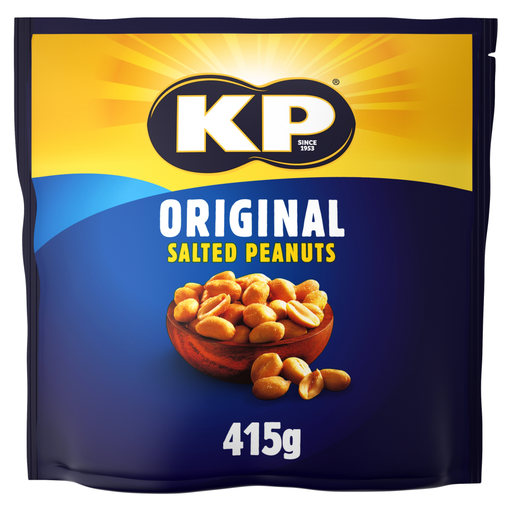
A salted whole-peanut snack in a 415g pack. If you are comparing protein and salt, use this pack's own nutrition panel rather than assuming figures from another KP pack apply to this one.
Use the exact product's nutrition panel, starting with protein per 100g and then checking the portion you plan to eat. KP Nuts lists 30g protein per 100g for Original Salted Peanuts, but that figure alone does not account for its stated salt or precautionary allergen information.
Choose by how you will use the product and by its full label: salted whole peanuts are a ready-to-eat snack, while peanut butter is a spread. KP Nuts lists 30g protein and 1.3g salt per 100g for Original Salted Peanuts; Marks & Spencer lists 26.6g protein and less than 0.01g salt per 100g for its 100% Crunchy Peanut Butter.
Check the substitute's own nutrition, ingredients and allergen declaration before keeping it if those details matter to your choice. Sainsbury's offers item-level substitution preferences, while Sainsbury's and Tesco describe handing an unwanted substitute back to the driver for a refund.
Read the current ingredient and allergen declaration, including any 'may contain' statement, for the exact product delivered. The Food Standards Agency explains that precautionary allergen labelling indicates potential unintended presence of regulated allergens; KP Nuts says its Original Salted Peanuts may contain other nuts, milk, soya and gluten.
No: the formats and ingredients differ. Marks & Spencer lists 20g protein for its 55g Peanut Butter Protein Bar, whose ingredients include milk-derived proteins, collagen and peanuts; check that label separately rather than treating it as plain nuts.