What should you compare?
Choose a portion you would actually eat, then compare protein alongside the salt, sugars and ingredients of the particular product.
| Priority |
What to check |
Your needs |
| Protein per portion |
Compare protein per labelled serving. If serving sizes differ, use the per 100g figures for a like-for-like comparison. Sainsbury's lists 8.8g per 30g for its Fairtrade Peanuts; Tesco lists 9.0g per 30g for the named KP salted and dry-roasted products. |
I want to know how much protein is in my mid-morning portion, not just whether the pack mentions protein. |
| Salt |
Read salt per serving for the exact flavour. The retailer listings give less than 0.01g per 30g for Sainsbury's Fairtrade Peanuts, 0.39g for KP Original Salted Peanuts and 0.60g for KP Dry Roasted Peanuts. |
A savoury snack appeals to me, but I want to see how its salt figure compares with a plain option. |
| Sugars and ingredients |
Compare sugars for the same serving size and read the ingredients for sweeteners. Sainsbury's lists 5.3g sugars per 30g for its Honey Roast Maple Peanuts & Cashews; its ingredients include sugar, honey, glucose syrup and maple sugar. |
If I choose a sweet coating for its flavour, I still want to know what changes from a plain peanut snack. |
| Allergen information |
Check the current pack's ingredients, highlighted allergens and any ‘may contain’ statement. Do not assume a cashew product and a peanut product carry the same declarations. |
Someone who may eat the snack has an allergy, so the exact product label matters more than the general nut category. |
| Portion and pack |
Use the labelled serving as a reference, then consider whether the pack size suits a single snack or several portions. Check any instructions for storage after opening. |
I snack at my desk and would rather decide on a portion than eat without noticing how much has come from a larger pack. |
Brand and retailer references
These examples illustrate label differences between named products, not a ranking of brands or a guide to current stock.
KP
Tesco's listings for KP Original Salted Peanuts 400g and KP Dry Roasted Peanuts Caddy 450g offer a comparison between two seasoned peanut products.
- Both listings give 9.0g protein per 30g serving.
- Their salt figures differ: 0.39g for the original salted product and 0.60g for the dry-roasted product per 30g. Check the current pack for ingredients and allergens.
Sainsbury's
Its Fairtrade Peanuts and Honey Roast Maple Peanuts & Cashews provide a plain-versus-sweetened comparison using the retailer's product labels.
- The Fairtrade Peanuts listing gives 8.8g protein and less than 0.01g salt per 30g.
- The honey-roast mix lists 6.0g protein and 5.3g sugars per 30g; it should not be treated as nutritionally interchangeable with the plain product.
Tesco
Tesco's product listings supply nutrition, ingredient and allergen details for the named KP salted and dry-roasted peanut packs.
- The two listings allow protein and salt to be compared using the same 30g serving size.
- Tesco cautions that ingredients, nutrition and allergen information can change, so check the pack before eating.
Joybuy snack options
These options include peanut and other nut snacks, plus one seed snack. If protein is your main reason for buying, compare each current pack's per-serving figure before treating the options as equivalent.
 No image available
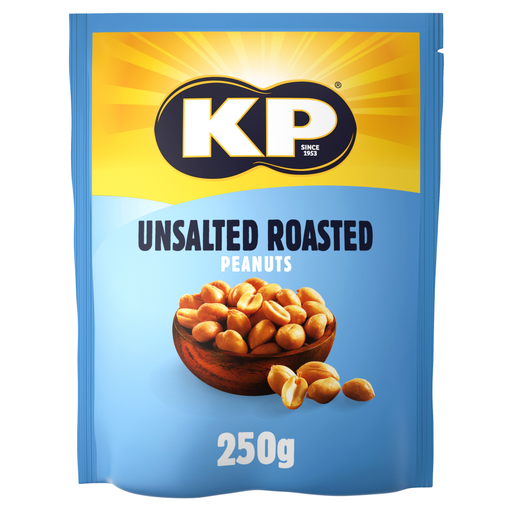
KP Snacks Unsalted Roasted Peanuts 250g
Consider this unsalted peanut variant if you want to compare a plain snack with seasoned options. It is a 250g pack; read its current label for protein per serving, ingredients and allergen statements rather than applying figures from a different KP product.
View on Joybuy
 No image available
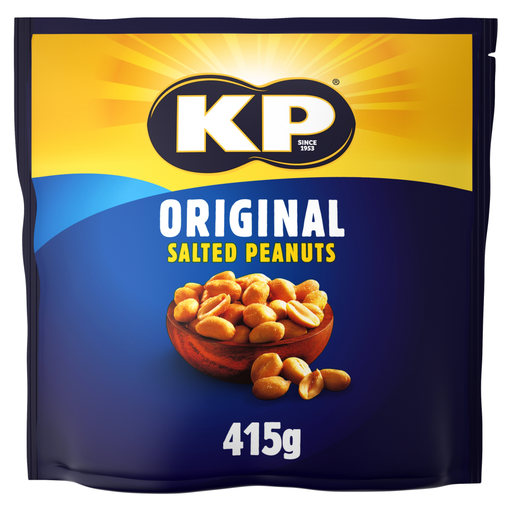
KP Snacks Original Salted Peanuts 415g
This 415g salted peanut pack suits a shopper considering a savoury option across several snack portions. Compare its own protein and salt figures per serving: it is a different pack size from the 400g KP product in Tesco's listing, so do not assume their labels are identical.
View on Joybuy
 No image available
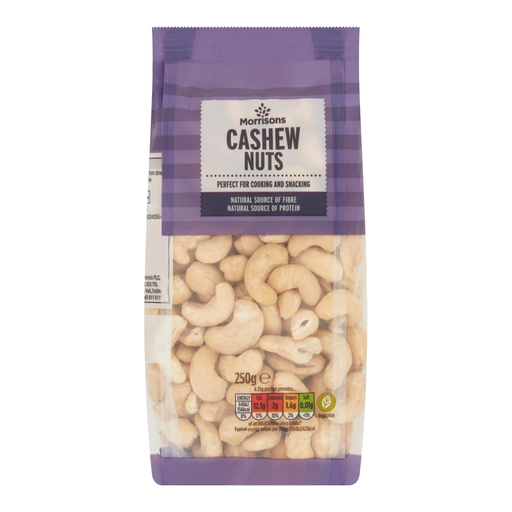
Morrisons Cashew Nuts 250g
Choose a cashew product for its taste or texture, but check its own protein per serving if protein is the deciding factor. This is a 250g pack; inspect its current allergen information rather than assuming it is suitable for someone who avoids peanuts.
View on Joybuy
 No image available
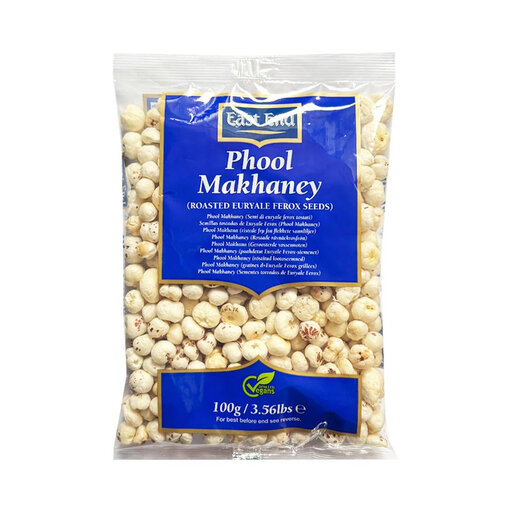
East End Phool Makhaney Seeds 100g
Phool makhaney are a seed snack rather than a peanut or tree-nut option. For this 100g pack, check protein per serving and the current allergen statement before deciding whether it meets the same buying need as nuts; its name alone establishes neither its protein content nor allergy suitability.
View on Joybuy
 No image available
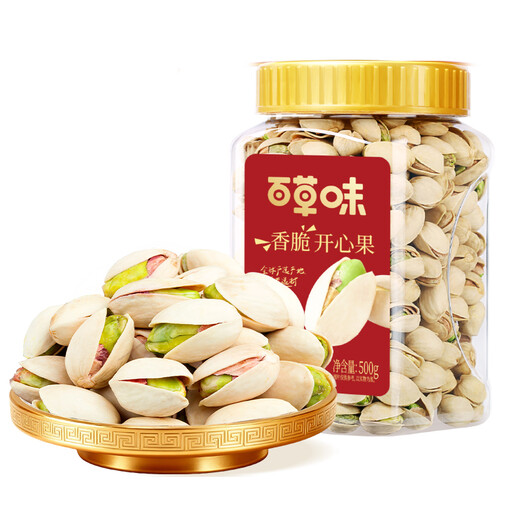
BE&CHEERY Pistachios 500g
This 500g pistachio pack is another nut option if you prefer pistachios to peanuts. Check its current label for protein, salt and serving size, and confirm whether the pack weight includes shells before comparing the amount you would eat with other snacks.
View on Joybuy
Frequently asked questions
How much protein is in a mid-morning serving of peanuts?
It depends on the product and serving size. Sainsbury's lists 8.8g protein per 30g of its Fairtrade Peanuts, while Tesco lists 9.0g per 30g of the named KP Original Salted and Dry Roasted products. Check the current pack before applying either figure to another variant.
Should I choose plain, salted or dry-roasted peanuts?
Choose by comparing the flavour you want with the label figures that matter to you. Sainsbury's Fairtrade Peanuts list less than 0.01g salt per 30g, while Tesco lists 0.39g for KP Original Salted and 0.60g for KP Dry Roasted Peanuts per 30g; the two named KP products each list 9.0g protein for that serving.
Does a honey-roast mix provide as much protein as plain peanuts?
Not in the two Sainsbury's products compared here. Its Honey Roast Maple Peanuts & Cashews list 6.0g protein and 5.3g sugars per 30g, while its Fairtrade Peanuts list 8.8g protein per 30g. The mix may suit a preference for sweet flavour, but compare its serving label rather than assuming it matches plain peanuts.
Are peanut and tree-nut allergies the same?
No. The Food Standards Agency describes peanuts as legumes and identifies cashews, almonds and hazelnuts as tree nuts. For anyone with an allergy, check the ingredients and any ‘may contain’ statement on the exact current pack; do not infer suitability from another nut product.
Are whole nuts suitable as a snack for small children?
Do not overlook the choking warning. The Sainsbury's Fairtrade Peanuts and Tesco KP Dry Roasted Peanuts listings warn that small children can choke on nuts or peanuts. Follow the warning on the current pack and seek age-appropriate feeding guidance if needed.


