For the KP 250g peanut products listed by Asda and Sainsbury’s, both labels give 30g protein per 100g: the unsalted peanuts have 0.03g salt and 51g fat, while the dry-roasted peanuts have 1.6g salt and 48g fat. The unsalted option suits a salt-conscious choice; the dry-roasted option has slightly less fat, but neither name establishes that the product is reduced fat.
Who this comparison helps
Shoppers comparing protein with fat
If you want nuts as a protein-containing snack without overlooking their fat content, compare both figures per 100g and then check what a stated serving contributes. Cambridge University Hospitals discusses choosing lower-fat options when the aim is to increase protein without increasing energy intake to the same extent.
Salt-conscious peanut shoppers
Seasoning changes the comparison. Asda lists 0.03g salt per 100g for KP Unsalted Peanuts 250g, while Sainsbury’s lists 1.6g for KP Dry Roasted Peanuts 250g; both list 30g protein per 100g.
Shoppers choosing between peanuts and cashews
A small difference in fat does not mean a similar amount of protein. Ocado lists 47g fat and 19.8g protein per 100g for M&S Sea Salt & Black Pepper Cashews, compared with 48–51g fat and 30g protein for the two KP peanut products listed by Sainsbury’s and Asda.
What to check when choosing nuts
Start with protein, fat and salt on the same per-100g basis, then use the stated serving size to judge the amount you would actually eat.
| Priority | What to check | Your needs |
|---|
| Protein and fat |
Read both values per 100g before comparing products. Then check the stated serving size rather than treating 100g as one snack. |
I want a protein-containing snack, but the amount of fat in the portion matters too. Asda and Sainsbury’s each list 30g protein per 100g for their respective KP unsalted and dry-roasted 250g products, alongside 51g and 48g fat. |
| Salt and seasoning |
Compare salt per 100g and read the ingredients for seasoning. Do not assume that dry-roasted means unsalted. |
Salt matters more to me than a small difference in fat. Asda lists 0.03g salt per 100g for KP Unsalted Peanuts 250g; Sainsbury’s lists 1.6g for KP Dry Roasted Peanuts 250g. |
| Reduced-fat wording |
Look for an explicit claim and its comparison with a similar food. Compare the declared fat values; neither a preparation method nor a small difference between two labels establishes a reduced-fat claim. |
I do not want to mistake “unsalted” or “dry roasted” for a statement about reduced fat. GOV.UK guidance on nutrition claims describes reduced fat as a comparison with similar products. |
| Peanuts or cashews |
Compare protein, fat and salt per 100g for the particular varieties, including any seasoning. |
I may accept less protein for slightly less fat. Ocado lists M&S Sea Salt & Black Pepper Cashews at 47g fat and 19.8g protein per 100g, while the KP peanut products listed by Asda and Sainsbury’s have 48–51g fat and 30g protein. |
Common buying mistakes
-
Reading “dry roasted” or “unsalted” as “reduced fat”
Those words describe preparation or seasoning, not a demonstrated reduction in fat. Asda lists 51g fat per 100g for KP Unsalted Peanuts 250g, and Sainsbury’s lists 48g for KP Dry Roasted Peanuts 250g.
Check fat per 100g and any explicit reduced-fat claim on the pack rather than relying on the variety name.
-
Choosing on fat alone
Ocado’s listing gives M&S Sea Salt & Black Pepper Cashews slightly less fat per 100g than the two listed KP peanut products, but also less protein: 19.8g versus 30g.
Put the protein and fat figures side by side on the same per-100g basis before deciding which difference matters to you.
-
Overlooking salt in seasoned nuts
The listed KP dry-roasted peanuts contain 1.6g salt per 100g according to Sainsbury’s, compared with 0.03g for the KP unsalted peanuts according to Asda. Ocado lists 0.68g for the seasoned M&S cashews.
Check the salt declaration and ingredients on the exact variety you intend to buy.
-
Assuming peanuts and tree nuts are interchangeable for allergies
The Food Standards Agency identifies peanuts as legumes rather than tree nuts. That botanical distinction does not tell you whether a particular packaged food is suitable for someone with an allergy.
Read the ingredients and precautionary allergen statement on the exact pack; do not make an allergy-related substitution on the basis of the product name alone.
Brand examples for comparison
These examples illustrate how named products differ; their figures should not be applied to every product from the same brand.
KP
The 250g unsalted and dry-roasted peanut products listed by Asda and Sainsbury’s provide a direct protein, fat and salt comparison.
- Both listings give 30g protein per 100g; the unsalted product has 0.03g salt and the dry-roasted product has 1.6g.
- Their listed fat values are 51g and 48g per 100g respectively. Check the current pack and the exact variety before applying those figures.
M&S
Ocado’s listing for M&S Sea Salt & Black Pepper Cashews offers a seasoned cashew example alongside the peanut products.
- The listing gives 47g fat per 100g, compared with 48–51g for the two KP peanut products listed by Sainsbury’s and Asda.
- It also gives 19.8g protein and 0.68g salt per 100g; the figures describe this cashew variety, not all M&S nuts.
Tesco
Tesco lists a 550g dry-roasted peanut pack, giving shoppers another named pack to assess.
- The listed pack size can be compared with the amount you expect to use.
- Read that product’s own nutrition panel rather than applying the KP protein, fat or salt figures to it.
Joybuy peanut options
These peanut options include raw products for home preparation and roasted, seasoned or salted varieties. Compare the exact pack’s nutrition and allergen information when choosing between them.
 No image available
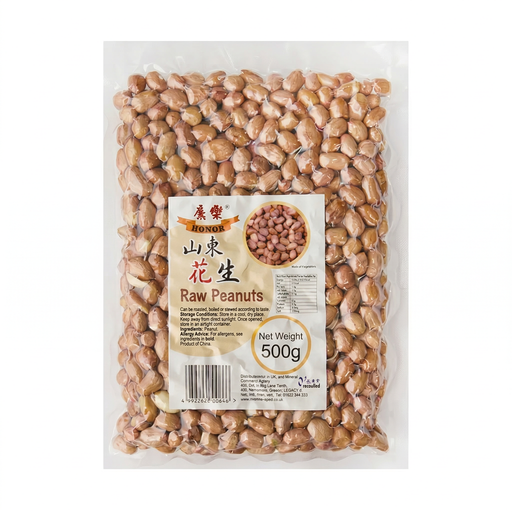
Honor Shandong Raw Peanuts 500g
Raw peanuts for home preparation rather than an immediate snack. Follow the pack’s preparation directions, and check its protein, fat and salt per 100g if those figures guide your choice.
View on Joybuy
 No image available
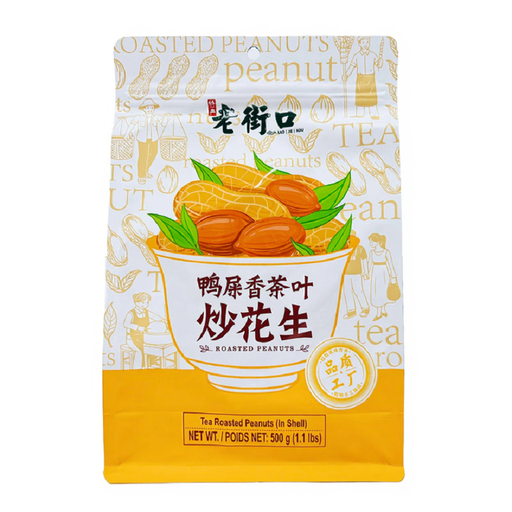
Laojiekou Yashi Xiang Tea-Infused Roasted Peanuts 500g
A roasted, tea-infused option when you want a seasoned peanut snack. These peanuts are in their shells; check the salt declaration and whether that format suits how you plan to serve them.
View on Joybuy
 No image available
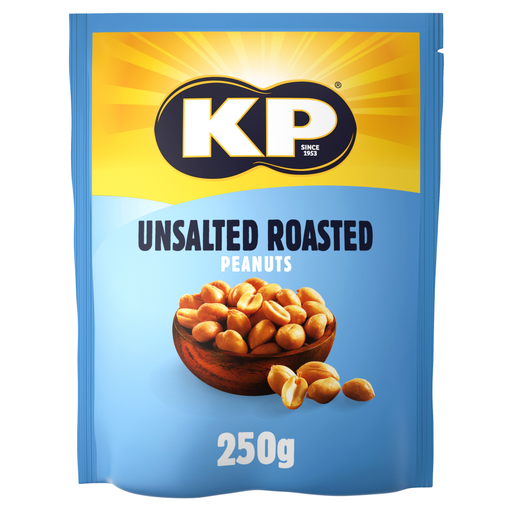
KP Snacks Unsalted Roasted Peanuts 250g
An unsalted roasted option for shoppers comparing peanut snacks by salt content. Unsalted does not describe the fat content, so read both figures on this pack before choosing.
View on Joybuy
 No image available
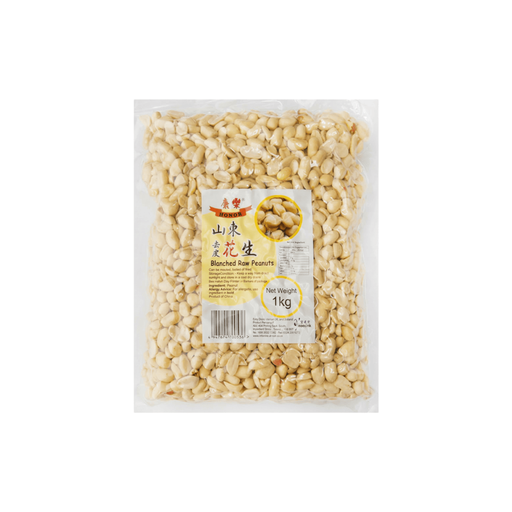
Honor Blanched Peanut Kernels 1kg
Blanched peanut kernels for recipes and home preparation. Follow the pack’s cooking directions rather than treating them as a ready-to-eat roasted snack; compare the nutrition panel for protein, fat and salt.
View on Joybuy
 No image available
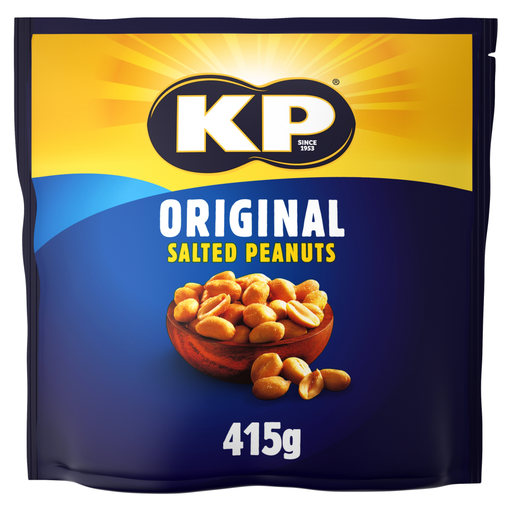
KP Snacks Original Salted Peanuts 415g
A salted peanut option for shoppers who prefer that seasoning. Compare the pack’s salt, protein and fat declarations with an unsalted variety rather than assuming the difference is only in flavour.
View on Joybuy
Questions about protein, fat and salt
Are dry-roasted nuts automatically reduced fat?
No. Dry roasting describes preparation, not a comparison showing reduced fat. Check the fat declaration and any explicit reduced-fat claim on the pack; Sainsbury’s lists 48g fat per 100g for KP Dry Roasted Peanuts 250g, while Asda lists 51g for KP Unsalted Peanuts 250g.
Do unsalted peanuts offer the same protein with less salt?
They do in the two KP 250g listings compared here. Asda and Sainsbury’s each list 30g protein per 100g for the unsalted and dry-roasted products respectively, but their salt figures are 0.03g and 1.6g per 100g. Check the current pack for the variety you buy.
Are peanuts and tree nuts the same allergen?
No. The Food Standards Agency identifies peanuts as legumes, distinct from tree nuts. That distinction does not establish whether a packaged product is suitable for someone with an allergy: read the exact pack’s ingredients and precautionary allergen statement.
Can a nut snack tell me enough about protein for the whole day?
No single snack describes everything eaten across a day. For this choice, compare the nut product’s protein and fat per 100g, then check its stated serving size to understand what one portion contributes. Cambridge University Hospitals also distinguishes increasing protein from increasing overall energy intake to the same extent.


