Shoppers who can eat nuts and peanuts
If these foods are compatible with your needs, compare protein amounts only after checking the pack for any other ingredients or allergens you avoid.


Do not choose a nut or peanut snack that contains an allergen you need to avoid: its protein content does not change that decision. Food Standards Scotland advises avoiding foods containing an allergen that triggers a reaction. If a particular nut or peanut is compatible with your individual allergy advice, check the current pack for ingredients and precautionary allergen wording before comparing protein per 100 g and per serving.
If these foods are compatible with your needs, compare protein amounts only after checking the pack for any other ingredients or allergens you avoid.
Identify your trigger in the ingredients and allergen information before considering nutrition claims. Cambridge University Hospitals NHS Foundation Trust advises reading labels on every purchase because recipes can change.
Check the whole product, not just the nut named on the front. Mixes and flavoured snacks can declare other ingredients and precautionary allergens, including soya, sesame or cereals containing gluten.
Start with the allergens relevant to you; compare nutrition only among products whose current labels fit your requirements.
| Priority | What to check | Your needs |
|---|---|---|
| Trigger allergens | Read the ingredients and named allergens on the current pack. Check precisely which nuts or peanuts are declared. | “I need to rule out my particular trigger before looking at protein.” Food Standards Scotland advises avoiding foods containing an allergen that triggers a reaction. |
| Other allergens | Read any “may contain” or manufacturing-method statement. For a mix, check every included nut and other declared allergens. | “A snack containing several nuts, or a warning about another allergen I avoid, needs a closer check.” A single-ingredient product is not automatically suitable: Sainsbury’s Chopped Almonds carry a suitability warning concerning other nuts and sesame. |
| Protein amount | Compare grams of protein per 100 g on the same basis, then check the amount in the stated serving or pack. | “Once the allergen information fits my needs, I want to know how much protein is in the portion I would use.” M&S states 10 g per 30 g pack for its Protein Packed Nut and Seed Mix; that figure does not establish allergy suitability. |
| Salt and ingredients | Check salt per serving alongside protein, and read the full ingredients of salted, coated or flavoured products. | “Two peanut snacks may have different salt figures even if their protein figures match.” Ocado lists less than 0.01 g salt per 30 g serving for KP Unsalted Peanuts, versus 0.36 g for KP Salted Peanuts Multipack. |
Protein content says nothing about whether the snack contains your trigger. M&S labels its Protein Packed Nut and Seed Mix as unsuitable for people with nut, peanut or sesame allergy.
Check ingredients and allergen information first; compare protein only between products compatible with your requirements.
Sainsbury’s Chopped Almonds list almonds as the ingredient but carry a warning for customers with an allergy to other nuts or sesame due to manufacturing methods.
Read both the ingredients and precautionary or suitability wording on the pack you receive.
Asda Nut Selection contains almonds, walnuts, cashews and hazelnuts, and its product information also warns that it may contain peanuts.
Check each included nut and relevant precautionary warning before treating a mix as an alternative to a single-nut product.
A per-100-g figure and a per-serving figure answer different questions. Salt can differ too: Ocado lists different salt amounts per 30 g serving for KP Unsalted Peanuts and KP Salted Peanuts Multipack.
Use per 100 g for a like-for-like nutrition comparison, then read the serving figures and full ingredients for the product you are considering.
KP Unsalted Peanuts provide an example of a peanut snack with nutrition stated per 100 g and per serving.
M&S Protein Packed Nut and Seed Mix is a mixed snack with a stated 10 g protein per 30 g pack.
Sainsbury’s Chopped Almonds identify almonds as the ingredient and give protein figures for both 100 g and a 30 g serving.
Asda Nut Selection is an example of a pack containing several named tree nuts.
These peanut and single-nut options offer different ingredients and formats to assess. Check the current pack’s allergen information before using its nutrition figures to make a choice.
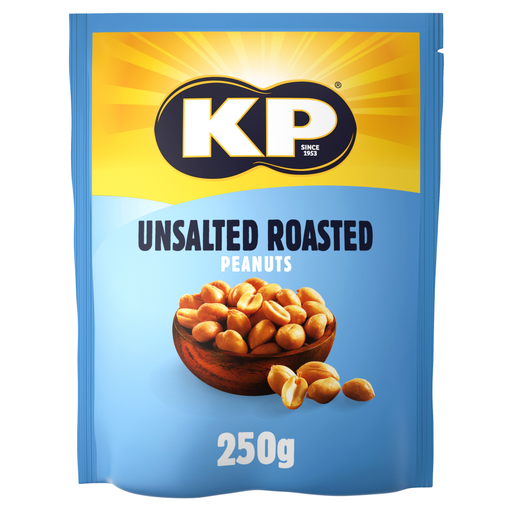 No image available
Consider this unsalted peanut option only if peanuts are compatible with your allergy requirements. Check the pack for other relevant allergen warnings, then compare its protein and salt figures with other snacks.
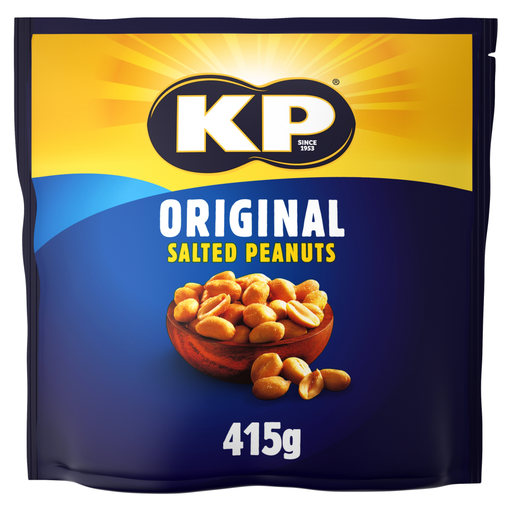 No image available
If you can eat peanuts and prefer a salted snack, check this pack’s full allergen wording. Compare its stated salt and protein on the same per-100-g basis as other peanut products.
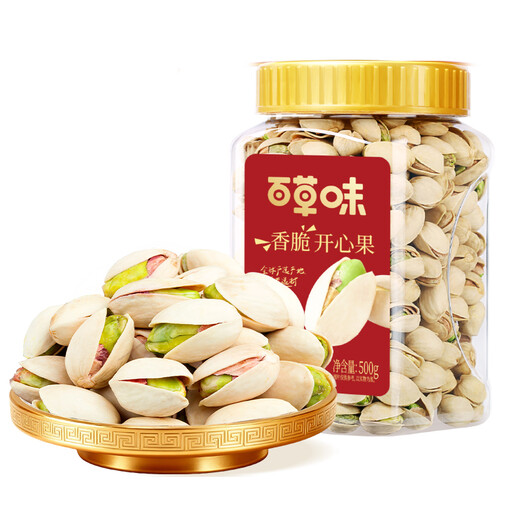 No image available
This pistachio option is relevant only if pistachios fit your allergy requirements. Read the current ingredient and precautionary allergen information before comparing its nutrition panel with peanut snacks.
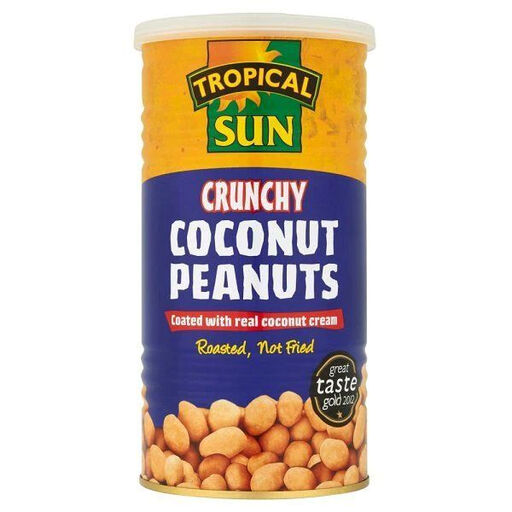 No image available
For a flavoured peanut snack, check the full ingredient list as well as the peanut declaration; the name alone cannot establish which other allergens matter. Compare the pack’s protein, sugar and salt figures if those are part of your choice.
 No image available
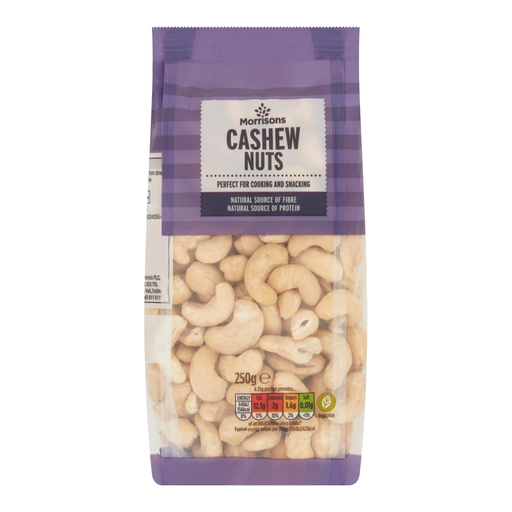
Consider these cashews only if they are compatible with your allergy requirements. Check the current pack for precautionary wording about other allergens before comparing protein per 100 g.
Not if it contains an allergen that triggers your reaction. Food Standards Scotland advises avoiding foods containing the relevant allergen; a protein claim does not override your individual avoidance advice. Check the current pack before deciding whether a particular product fits that advice.
Yes. Check the particular allergens you need to avoid rather than treating every product described as “nuts” as interchangeable. Read the named ingredients, allergen information and any relevant precautionary wording each time you buy.
Use it to assess a product before ordering, but check the label on the pack you receive before eating it. Cambridge University Hospitals NHS Foundation Trust advises reading labels every time a product is purchased because manufacturers can change recipes.