Lunch packers comparing protein
If nuts are an addition to cheese and bread rather than a replacement, compare protein on the same per-100g basis. The peanut examples listed by Marks & Spencer and KP range from 26.7g to 30.7g protein per 100g.


Plain roasted peanuts are a useful starting point when you want protein alongside cheese, bread and pickle without adding much salt: Marks & Spencer lists 26.7g protein and 0.03g salt per 100g for its roasted peanuts. The salted peanut examples listed by Marks & Spencer and KP have higher protein figures, but also more salt; almonds offer a different texture, while mixed nuts call for a closer look at ingredients and allergen statements.
If nuts are an addition to cheese and bread rather than a replacement, compare protein on the same per-100g basis. The peanut examples listed by Marks & Spencer and KP range from 26.7g to 30.7g protein per 100g.
Plain nuts are worth comparing with seasoned ones when the lunch also contains cheese or pickle. Marks & Spencer lists 0.03g salt per 100g for its roasted peanuts and 0.88g for its roasted-and-salted peanuts; KP lists 1.3g for Original Salted and Joybuy lists 1.7g for KP Dry Roasted.
A mixed pack offers several nut textures, but its ingredients and precautionary allergen statements matter for everyone eating it. The Food Standards Agency distinguishes peanuts from tree nuts such as almonds and cashews.
Start with protein per 100g, then compare salt, ingredients and the amount you plan to pack. A higher protein figure alone does not tell you how the nuts will fit alongside the rest of a ploughman's lunch.
| Priority | What to check | Your needs |
|---|---|---|
| Protein | Compare protein per 100g, then check the serving size. Marks & Spencer lists 26.7g for roasted peanuts and 30.7g for roasted-and-salted peanuts; Tesco lists 21.1g for its almonds, all per 100g. | I want nuts to contribute protein alongside the other parts of lunch, and I need to compare the amount I will actually pack. |
| Salt and sweetness | Read salt and sugars per 100g and check for coatings. Marks & Spencer lists 0.03g salt for plain roasted peanuts versus 0.88g for its salted version; Joybuy lists 14.0g sugars per 100g for KP Honey Roast Peanuts. | With cheese and pickle already on the plate, I may prefer plain nuts. If I choose a sweet or salted variety, I want to know what it adds to the meal. |
| Ingredients and allergens | Check the exact pack's ingredients and may-contain statements. The Food Standards Agency distinguishes peanuts from tree nuts; Tesco lists peanuts, almonds and cashews in Planters Protein Nuts Mix. | For a shared lunch, I need to check suitability for each person rather than assuming every nut product has the same ingredients. |
| Portion and packing | Check the pack's serving basis and measure the amount you intend to take. Follow its storage instructions after opening. | I want enough for my lunch without confusing a per-100g nutrition figure with what is in my portion. |
Protein figures differ between products. Tesco lists 21.1g per 100g for its almonds, while Marks & Spencer lists 30.7g for its roasted-and-salted peanuts.
Use the nutrition panel to compare products per 100g, then check the serving basis for the amount you intend to pack.
Seasoning changes what the nuts add to the plate. Marks & Spencer lists 0.03g salt per 100g for plain roasted peanuts and 0.88g for its salted version; Joybuy lists 14.0g sugars per 100g for KP Honey Roast Peanuts.
Compare the salt and sugars lines when choosing nuts to eat with cheese and pickle, particularly if considering a coated variety.
Planters Protein Nuts Mix contains peanuts, almonds and cashews. KP Original Salted Peanuts also carries may-contain statements for other nuts, milk, soya and gluten, according to KP.
Read the ingredients and precautionary statements on the exact pack before serving it to others.
KP's Original Salted Peanuts provide a point of comparison for a seasoned peanut option.
Marks & Spencer lists both plain roasted and roasted-and-salted peanuts, making salt and protein straightforward to compare within these two products.
Tesco Almonds are a plain almond reference for comparing protein, fibre and salt with peanut products.
Planters Protein Nuts Mix combines peanuts, redskin peanuts, almonds and cashews for shoppers who want more than one nut type.
These Joybuy options cover plain, salted and dry-roasted peanuts, plus a flavoured peanut-and-hazelnut mix. Compare the exact pack details with the salt, protein and ingredient checks above.
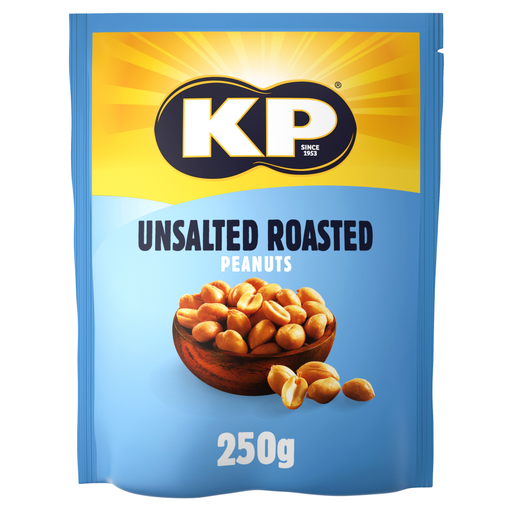 No image available
An unsalted roasted option for a savoury lunch. Check the pack's protein and salt figures when comparing it with other peanuts; the product contains peanuts.
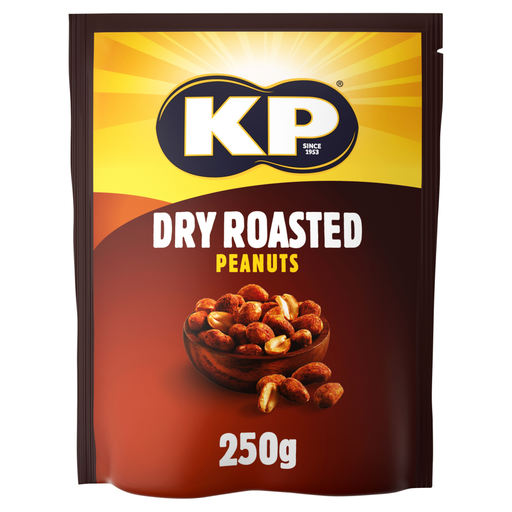 No image available
A dry-roasted choice if you want seasoned peanuts with lunch. Joybuy lists 30g protein and 1.7g salt per 100g for this pack; check that salt figure alongside the rest of your meal. It contains peanuts and may contain other nuts, milk, soya and gluten.
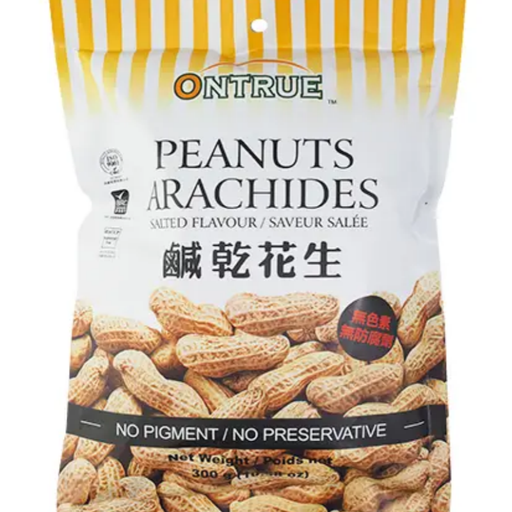 No image available
Roasted, salted peanuts to consider when a seasoned accompaniment suits the lunch. Compare protein and salt per 100g on the pack before choosing it over an unsalted option.
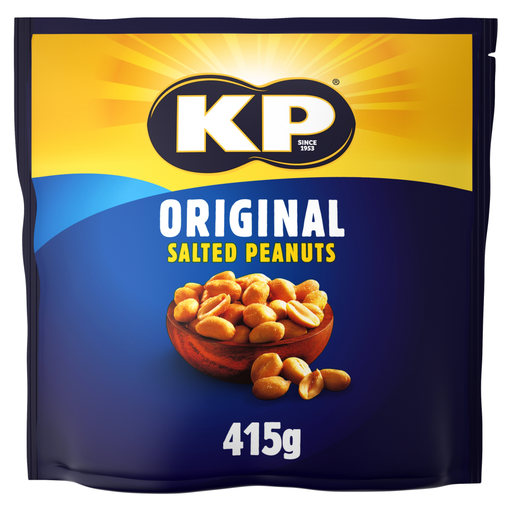 No image available
A salted peanut option in a 415g pack. Check this pack's nutrition and allergen information rather than applying figures or warnings from a different pack.
 No image available
An Italian-herb-flavoured mix of peanuts and hazelnuts for a lunch where that seasoning appeals. Check the exact ingredients, allergen statements and nutrition panel before serving it to others.
The cited peanut products list more protein per 100g than Tesco Almonds: Marks & Spencer lists 26.7g for roasted peanuts and 30.7g for roasted-and-salted peanuts, KP lists 30g for Original Salted, and Tesco lists 21.1g for its almonds. Compare the particular packs you are choosing, including their salt figures.
Choose by the seasoning you want alongside cheese and pickle, then compare the nutrition panels. Marks & Spencer lists 0.03g salt per 100g for plain roasted peanuts and 0.88g for its salted version; Joybuy lists 1.7g salt for KP Dry Roasted and 14.0g sugars for KP Honey Roast, both per 100g.
No. The Food Standards Agency identifies peanuts as legumes and distinguishes them from tree nuts such as almonds and cashews. Check the ingredients and may-contain statement on the exact product, especially for a mixed pack or shared lunch.
Measure the amount you plan to pack and compare it with the serving information on that product. A protein figure given per 100g helps you compare packs, but it is not the amount in a smaller portion.