What to check before buying
Check school rules and allergens first. Then compare nutrition using both the intended lunchbox portion and the per-100g figures on the pack.
| Priority | What to check | Your needs |
|---|
| School and allergies |
Read the school’s current allergy and packed-lunch policy. Check the exact pack’s ingredients and ‘may contain’ statement. |
I need a snack that fits this school’s arrangements and the pupil’s allergies, not merely one that is sold as a lunchbox snack. |
| Protein per portion |
Compare the amount you plan to pack as well as protein per 100g. Tesco Groceries lists 8.3g per 30g for Planters Protein Nuts Mix, 6.4g per 25g for Tesco Chopped Mixed Nuts and 6.2g per 25g shelled for Tesco Pistachios. |
A small measured portion matters more to me than a protein claim on the front of a larger bag. |
| Salt and ingredients |
Compare salt on the same per-100g basis and read the ingredients for seasoning or coatings. Tesco Groceries lists less than 0.01g salt per 25g shelled serving for Tesco Pistachios; other variants need their own label check. |
I would rather choose the flavour and seasoning deliberately than assume all plain-looking nuts have the same ingredients. |
| Portion and storage |
Check whether the pack can be closed after opening, measure the lunchbox portion and follow its storage instructions. Allow for pistachio shells if choosing a shell-on product. |
A pack I can portion and store between lunches is more useful to me than one I have to pack straight from an open bag. |
Brand and retailer references
These examples describe particular UK-listed products or ranges, not every product made by each brand.
Planters
Planters Protein Nuts Mix is a peanut-led mix containing almonds and cashews, according to Tesco Groceries.
- Tesco Groceries lists 8.3g protein per 30g serving and 27.7g per 100g.
- It contains several nut types, so check the exact pack and the school’s arrangements before packing it.
KP
Tesco Groceries lists KP dry-roasted and salted peanuts, including 5 x 30g snack-pack formats.
- The listed snack packs provide individually sized packs for portion planning.
- Compare protein, salt, ingredients and allergens on the exact KP variant you intend to buy.
Tesco
Tesco Groceries provides product figures for both pistachios and a chopped, peanut-led nut mix.
- Its pistachios list 6.2g protein per 25g shelled serving; its chopped mixed nuts list 6.4g per 25g.
- The pistachios may contain peanuts and other nuts. The chopped mix contains peanuts, almonds and walnuts and may contain other allergens.
M&S
Marks & Spencer lists roasted peanuts and roasted almonds in larger packs.
- Its product figures list 26.7g protein per 100g for roasted peanuts and 21.0g per 100g for roasted almonds.
- Marks & Spencer advises reading the product label because online food information can change; both products carry allergy suitability warnings.
Joybuy product options
These options include peanuts, cashews and pistachios for comparing nut formats, plus phool makhaney seeds as a different type of snack. Check the school’s arrangements and each final pack before choosing something for a packed lunch.
 No image available
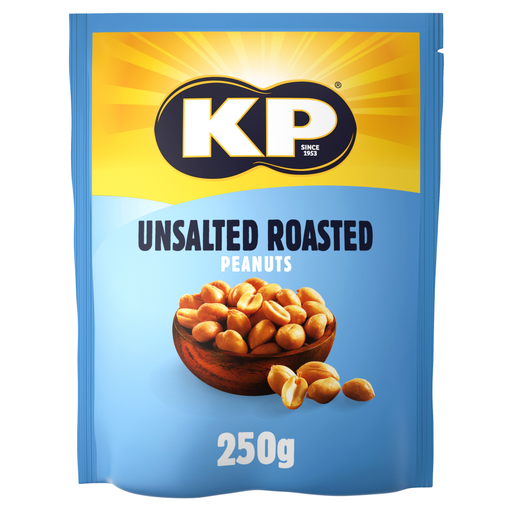
KP Snacks Unsalted Roasted Peanuts 250g
For a lunch where peanuts are permitted and safe for the pupil, this 250g unsalted roasted-peanut pack can be divided into measured portions. Check the final pack’s allergen information before use.
 No image available
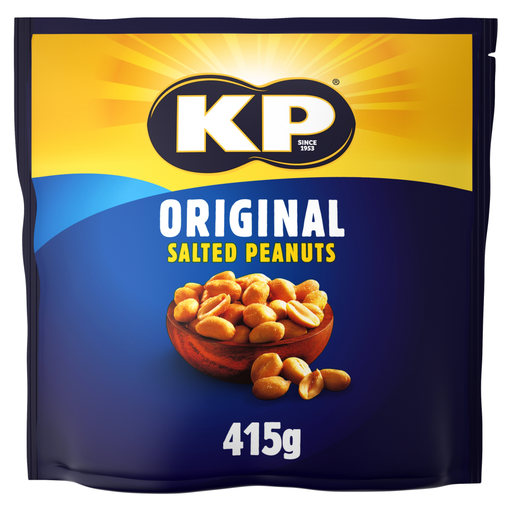
KP Snacks Original Salted Peanuts 415g
This larger pack offers a salted roasted-peanut option to portion for lunches where peanuts are permitted and safe for the pupil. Compare its salt label with the unsalted variant and check its allergen declaration.
 No image available
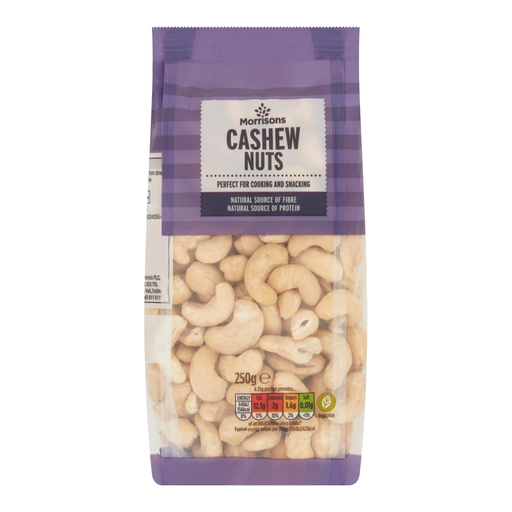
Morrisons Cashew Nuts 250g
Cashews offer a different nut flavour when the school permits nuts and the pupil can eat this product safely. Check protein for the portion you plan to pack and read the final pack for allergen and cross-contact warnings.
 No image available
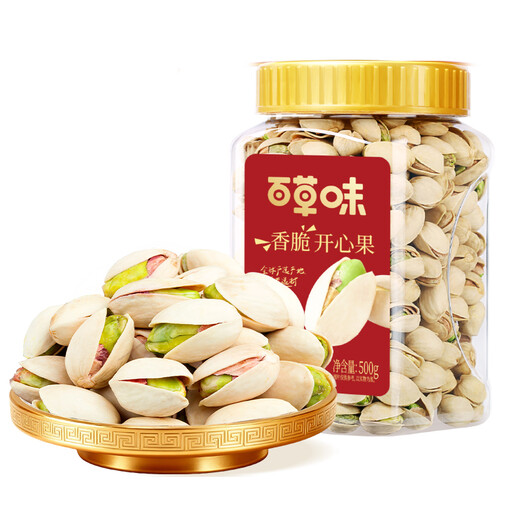
BE&CHEERY Pistachios 500g
For a pupil who prefers pistachios, check the pack to establish the edible portion, salt content and whether shells need disposing of at school. The school’s nut policy and the product’s allergen declaration still apply.
 No image available
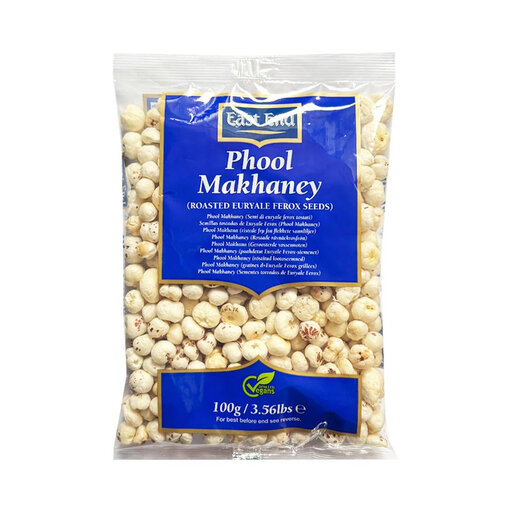
East End Phool Makhaney Seeds 100g
These seeds are a different snack format, not a nut product or an assumed high-protein substitute. Check the final pack’s protein and allergen information, and confirm that the snack fits the school’s arrangements.
Common questions
Can I put nuts in a secondary-school packed lunch?
Check that school’s current allergy and packed-lunch arrangements first. The Department for Education’s guidance for England says schools may discourage allergens such as nuts from being brought on site; a product’s sale in a shop does not establish what a particular school permits.
Which of the compared nuts lists the most protein per serving?
Tesco Groceries lists 8.3g protein per 30g for Planters Protein Nuts Mix, compared with 6.4g per 25g for Tesco Chopped Mixed Nuts and 6.2g per 25g shelled for Tesco Pistachios. Because the listed servings differ, check both per-100g figures and the amount you intend to pack.
How do almonds compare with peanuts for protein?
For the two Marks & Spencer products compared here, roasted almonds list 21.0g protein per 100g and roasted peanuts list 26.7g per 100g. Almonds may still suit a pupil’s flavour preference, but check the exact pack’s allergy warning: Marks & Spencer says its roasted almonds are not suitable for people with a peanut or sesame allergy.
How should I pack nuts for several school lunches?
Measure each intended portion into a suitable container, close the remaining pack and follow its storage instructions. Keep the original packaging so you can check ingredients and allergen warnings again before packing another lunch.
Is a protein claim enough to choose a lunchbox snack?
No. Compare protein in the portion you will actually pack, then check salt, ingredients, allergen warnings and the school’s arrangements. A claim on the front of the pack does not resolve those separate questions.


