Families packing protein-focused lunches
Compare the protein in the portion you plan to serve, as well as the ingredients and salt. A 30g mix and a 50g peanut pack cannot be compared by their per-pack protein figures alone.


For an older child who can eat its ingredients, M&S Protein Packed Nut and Seed Mix provides 10g of protein in a 30g pack; chopped almonds offer an ingredient to add to lunch, while the checked 50g KP Dry Roasted Peanuts pack provides 15g of protein but also 0.80g of salt. Compare the portion, salt and current allergen label before choosing. Do not serve whole nuts to children under five.
Compare the protein in the portion you plan to serve, as well as the ingredients and salt. A 30g mix and a 50g peanut pack cannot be compared by their per-pack protein figures alone.
Whole nuts are not suitable for this age group, according to Royal Devon University Healthcare NHS Foundation Trust. Consider texture and the child’s allergy status before choosing a nut-containing addition to lunch.
Peanuts, tree nuts and other ingredients differ between products. Read the current pack’s ingredients and precautionary allergen statements rather than relying on the name of a nut mix or snack.
Start with whether the food and its texture suit the person eating it. Then compare protein for the portion being served and read the rest of the label.
| Priority | What to check | Your needs |
|---|---|---|
| Protein per portion | Compare protein per 100g and per pack or stated serving. Marks & Spencer lists 10g per 30g pack for its Protein Packed Nut and Seed Mix; Tesco lists 15g per 50g pack for KP Dry Roasted Peanuts. | I’m choosing a portion for lunch, not simply the pack with the largest protein number. A larger pack may account for a higher per-pack figure. |
| Texture and age | Royal Devon University Healthcare NHS Foundation Trust says whole nuts are not suitable for children under five. Check whether another form is appropriate for the individual child; a chopped product still calls for care. | If I’m packing lunch for an under-five, I need an appropriate form rather than a convenient pack of whole nuts. |
| Allergens | Read the current ingredients list and precautionary statements for the exact product. The Food Standards Agency says allergens present in prepacked food must be emphasised in its ingredients list. | Someone eating this lunch may need to avoid a particular ingredient or a product with a relevant precautionary warning. A different flavour or pack needs its own label check. |
| Salt | Compare salt on the same per-100g or per-portion basis and look at any front-of-pack traffic-light label. Tesco lists 0.80g salt in the checked 50g KP Dry Roasted Peanuts pack; ASDA lists 0g per 100g for its chopped almonds. | I want the seasoning and salt information to fit the lunch, rather than choosing by the protein claim alone. |
Pack figures reflect pack size as well as the food itself: Marks & Spencer lists 10g of protein in a 30g mix, while Tesco lists 15g in a 50g KP peanut pack.
Check both the stated portion and the per-100g figure, then decide how much would go into the lunch.
Royal Devon University Healthcare NHS Foundation Trust says whole nuts are not suitable for children under five because of choking risk.
Do not serve whole nuts to an under-five. If considering another form, account for the child’s individual suitability and any allergy advice.
The checked 50g KP Dry Roasted Peanuts pack has 0.80g salt and a high-salt front-of-pack label, according to Tesco.
Read the traffic-light label and compare salt figures on a like-for-like basis alongside protein.
A peanut pack, a mixed-nut product and a nut-and-seed mix can have different ingredients and precautionary allergen statements.
Check the physical pack each time, including its ingredients and any ‘may contain’ wording, before making a substitution.
These examples provide product-specific label information for comparing lunch options; they do not indicate that every product is available on Joybuy.
Its Protein Packed Nut and Seed Mix is a measured pack option; its toasted flaked almonds are an ingredient-style option.
The checked 50g Dry Roasted Peanuts pack offers a single-pack peanut snack to compare with mixes and plain nuts.
The Protein Nuts Mix combines peanuts, almonds and cashews for shoppers considering a mixed-nut portion.
Its checked chopped almonds and plain cashews offer ingredient-style alternatives to a seasoned snack pack.
Its product listings give pack-specific information for the checked KP and Planters options.
These Joybuy options include whole peanuts and a nut mix, alongside a peanut bar and a seed-and-berry mix. They serve different lunch uses: a bar or an ingredient to add to food should not be treated as the same type of portion as a pack of nuts. Check the current label and the eater’s suitability for each product.
 No image available
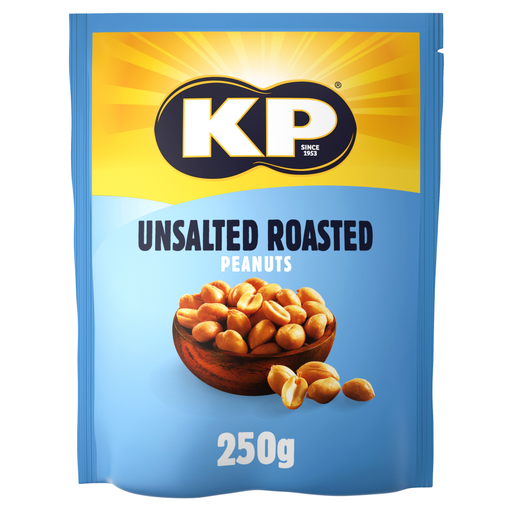
A whole-peanut option for a lunch portion measured from a larger pack. Check the serving amount and current ingredients; whole nuts are not suitable for children under five.
 No image available
A peanut-and-chocolate bar rather than a portion of plain nuts. Compare its per-bar nutrition and full ingredients with the lunch you are planning, and check its allergen label before serving.
 No image available
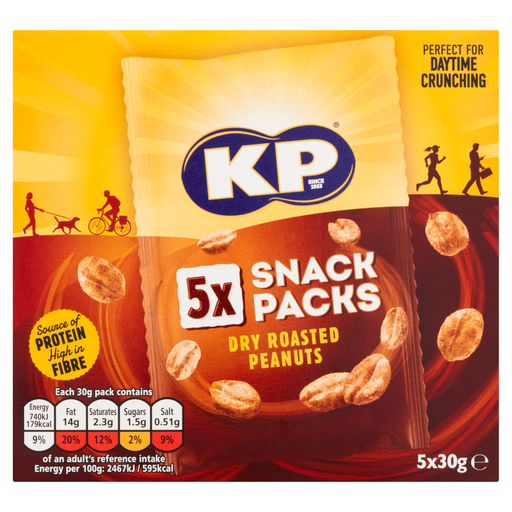
The named multipack offers 30g peanut portions. Check its own nutrition label rather than applying figures from the separately listed 50g KP pack; these whole peanuts are not suitable for children under five.
 No image available
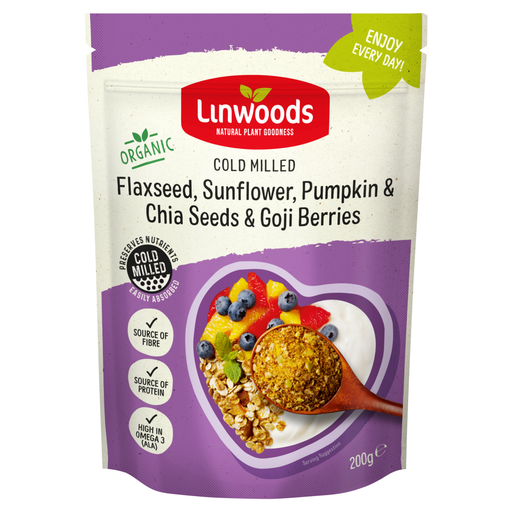
A seed-and-berry mix to consider as an addition to another lunch food, not a pack of nuts. Check the current ingredients, allergen statement and portion information for the person eating it.
 No image available
A seasoned mix of peanuts and hazelnuts for someone who can eat both. Compare its portion, salt and allergen information with a plain-nut option; its whole nuts are not suitable for children under five.
No. Royal Devon University Healthcare NHS Foundation Trust says whole nuts are not suitable for children under five because of choking risk. Another nut form still needs to suit the individual child and any allergy advice they have received.
Not on that figure alone. Marks & Spencer lists 10g protein in a 30g pack of its Protein Packed Nut and Seed Mix; Tesco lists 15g in a 50g KP Dry Roasted Peanuts pack, which also has 0.80g salt. Compare the intended portion, per-100g figures, texture and allergens.
Yes. A product may contain peanuts, particular tree nuts or both, and may carry precautionary wording for other allergens. Read the exact product’s current label rather than substituting one nut product for another by name.
Read the ingredients list and any precautionary allergen statement on the physical pack. The Food Standards Agency says allergens present in prepacked food must be emphasised in the ingredients list; product information can change when a recipe changes.
Check that school’s current packed-lunch and allergy policy before sending nuts. Department for Education guidance for England says settings may wish to discourage particular allergens, such as nuts, from being brought on site; it does not establish the policy of an individual school.