People planning a measured snack
If you are replacing an unplanned snack, compare the protein and energy in the amount you will actually eat. A serving figure is more useful for that decision than a figure for a whole sharing bag.


Choose nuts or a nut-and-seed snack by the portion you expect to eat, comparing its protein with its energy, salt and ingredients rather than relying on a protein claim alone. Marks & Spencer lists 10 g protein in a 30 g pack of its Protein Packed Nut and Seed Mix; Tesco lists 9 g protein, 184 kcal and 0.39 g salt per 30 g serving of KP Original Salted Peanuts 400 g. Those are different products, so check the current label and allergen information for the one you choose.
The useful comparison depends on whether you are planning a portion, looking for a portable snack or checking ingredients.
If you are replacing an unplanned snack, compare the protein and energy in the amount you will actually eat. A serving figure is more useful for that decision than a figure for a whole sharing bag.
A small pack gives you a defined quantity to compare with a serving taken from a larger pack. Check its protein and energy figures rather than assuming the smaller format changes the nutrition of the food.
Salted, unsalted and mixed products need separate label checks. If an allergy is relevant, read the named ingredients and precautionary allergen wording on the current pack.
Start with a portion you would eat, then compare products on the same weight basis. GOV.UK nutrition labelling guidance identifies per 100 g figures as a basis for reading nutrition information; pack or serving figures help put that comparison into a snack-sized amount.
| Priority | What to check | Your needs |
|---|---|---|
| Protein and energy | Compare protein and kcal for the same weight, then look at the portion you plan to eat. Tesco lists 9 g protein and 184 kcal per 30 g serving for KP Original Salted Peanuts 400 g. | I want to know what one snack portion contributes, not choose by its protein figure alone. |
| Portion size | Check whether a figure applies to 100 g, a stated serving or the whole pack. Marks & Spencer lists 10 g protein in its 30 g Protein Packed Nut and Seed Mix pack. | A defined pack may be convenient; with a larger bag, I would measure the amount I intend to eat. |
| Salt and ingredients | Read the salt line and ingredient list for the exact flavour or variant. Do not assume that roasted means unsalted or that a nut-and-seed mix contains only nuts. | If salt or a nuts-only snack matters to me, the product name is a starting point, not the full answer. |
| Allergens | Check named ingredients and any precautionary wording on each pack. The Food Standards Agency distinguishes peanuts, which are legumes, from tree nuts. | For an allergy, I need to assess the particular product, especially a mix with several ingredients. |
Nuts and mixes can contribute considerable energy alongside protein. For example, Tesco lists 184 kcal as well as 9 g protein in a 30 g serving of KP Original Salted Peanuts 400 g.
Decide on a portion first, then compare its protein, kcal and salt with another product on the same basis.
Salted, unsalted and mixed products can have different ingredients and salt values. Sainsbury's lists several nut styles, but a category name does not describe the nutrition of each one.
Check the exact variant's current ingredients and nutrition panel before making a comparison.
The Food Standards Agency distinguishes peanuts from tree nuts. A mixed snack may contain additional ingredients that matter to someone managing an allergy.
Read the current pack's ingredients, named allergens and precautionary wording, and follow the advice you have been given for your allergy.
These examples illustrate different pack formats and label checks; a brand name does not establish the nutrition or suitability of every product it sells.
Marks & Spencer lists a 30 g Protein Packed Nut and Seed Mix for shoppers who want a stated amount per pack.
KP peanut products include different seasonings, so the precise variant matters.
Sainsbury's lists several nut styles, including salted and unsalted options, in its nut category.
Planters describes an unsalted dry-roasted peanut product on its US product page.
These options include peanut and cashew snacks, a seed-and-berry mix, and peanut kernels for preparation at home. They serve different uses: compare each pack's portion, nutrition and allergen information rather than treating them as interchangeable high-protein nut snacks.
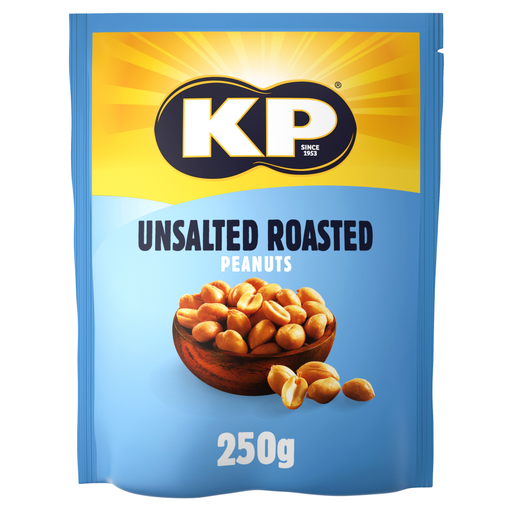 No image available
An unsalted roasted-peanut option if you want to portion a snack from a larger pack. Compare protein and energy for your chosen amount, and check the pack's allergen wording.
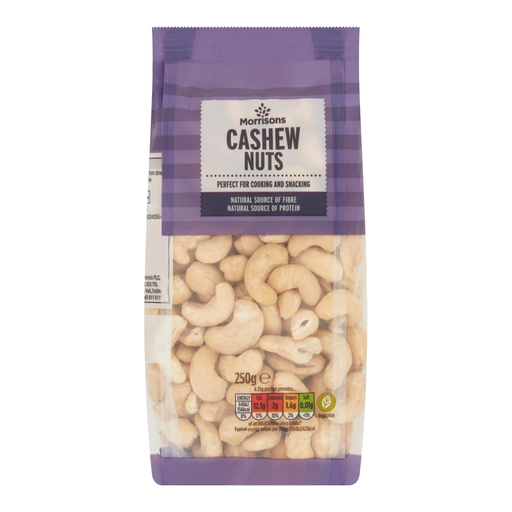 No image available
A cashew option for shoppers who prefer them to peanuts. Check the precise pack for its ingredients, protein, energy, salt and allergen information before comparing it with a peanut snack.
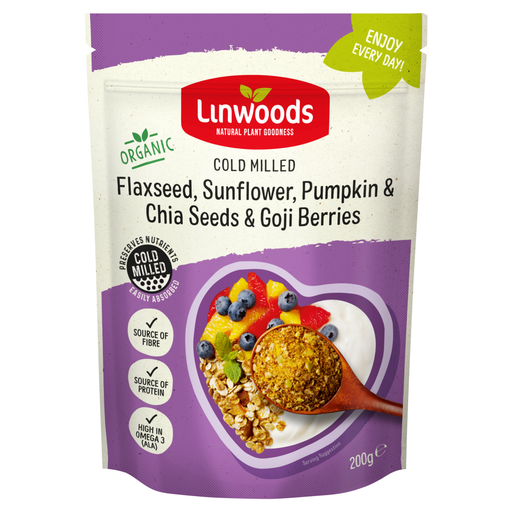 No image available
This is a seed-and-berry mix rather than a nut snack. It may suit someone choosing a measured addition to another food; check the portion you use and the pack's precautionary allergen wording.
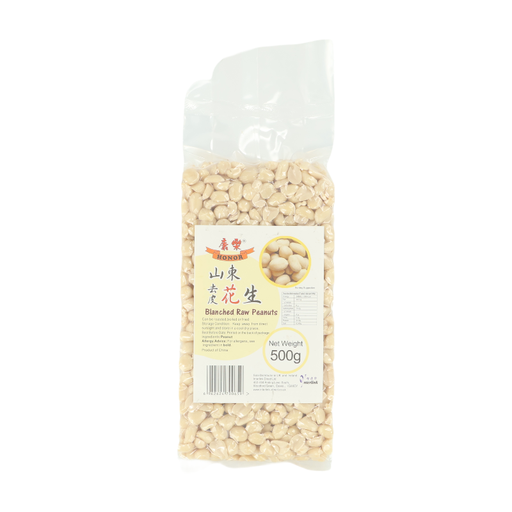 No image available
Peanut kernels for preparing food at home rather than an immediate snack. These are described as raw and requiring thorough cooking before eating; follow the pack's preparation instructions and measure the portion used.
 No image available
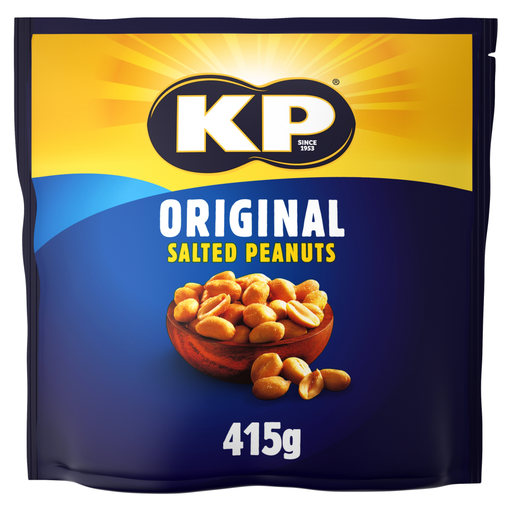
A salted peanut snack in a larger pack. Measure the portion you intend to eat and read this 415g variant's own protein, energy and salt figures; figures for a different KP pack are not a substitute for its label.
No. Compare protein with energy in the portion you would eat, then check salt and ingredients. A front-of-pack message does not describe all the factors relevant to that choice.
Use per 100 g figures to compare products on the same weight basis, then use the pack or serving figures to understand the amount you plan to eat. GOV.UK nutrition labelling guidance identifies per 100 g as the standard basis for nutrition information.
Yes. Marks & Spencer lists 34.4 g protein and 585 kcal per 100 g for its Protein Packed Nut and Seed Mix. Compare both figures for a realistic portion rather than using protein alone to choose a snack.
No. The Food Standards Agency identifies peanuts as legumes and distinguishes them from tree nuts. Check each product's current ingredients and allergen wording, particularly for mixed snacks.
Use a product page to compare options, but check the current pack before eating or serving the food. This matters particularly when you need to confirm allergens, a specific variant or the nutrition figures for your portion.