
24/7 Customer Support

Free returns

Same-day & Next-day Delivery

Quality Guaranteed

Unlock Your Welcome Offers: FREE Delivery | Up to 80% OFF | Free 30-day JoyPlus trial
Download the APP
For many of us who are mindful of our diet and fitness, the craving for a truly indulgent dessert can feel at odds with our goals. The search for a satisfying high protein salted caramel ice cream often leads down a rabbit hole of products that promise much but deliver little. As a Joybuy Product Recommendation Officer, my role is to help you navigate the crowded freezer aisle and find options that genuinely deliver on taste, texture and nutritional value.
Before you spend your money, it is important to be aware of a few common pitfalls that can lead to a disappointing purchase.
To avoid these issues, focus on a few key details on the packaging. This will help you choose a healthy dessert that aligns with your fitness goals without sacrificing enjoyment.
The term "high protein" can be subjective. A more useful metric is the protein-to-calorie ratio. Look for a product that provides a significant amount of protein relative to its total calories. As a general guide, a quality fitness ice cream should offer at least 5 grams of protein for every 100 calories. Also, pay close attention to the sugar content. Many options use sweeteners like erythritol or stevia to keep sugar and calories low, which is ideal for a macro-conscious diet.
The ingredients list reveals the secret to a product's texture and flavour. For a creamier consistency, look for dairy components like reconstituted skimmed milk, milk proteins or cream listed near the top. These ingredients provide the fat and protein structure needed for a smoother mouthfeel, helping to avoid the icy texture common in lower-quality low calorie ice cream. The type and blend of stabilisers (like guar gum or locust bean gum) also play a crucial role in preventing ice crystal formation.
Always check the nutritional information "per 100g" in addition to the "per serving" value. This allows for a fair comparison between different brands. A salted caramel protein tub might seem like a single indulgence, but it is often intended to be multiple servings. Calculating the total protein and calories in the entire tub gives you a clearer picture of what you are consuming, helping you to fit it into your daily nutritional plan accurately.
Instead of a single "best" option, the right choice depends on your specific goals and what you are looking for in a treat. Here are a few recommendations matched to different user profiles.
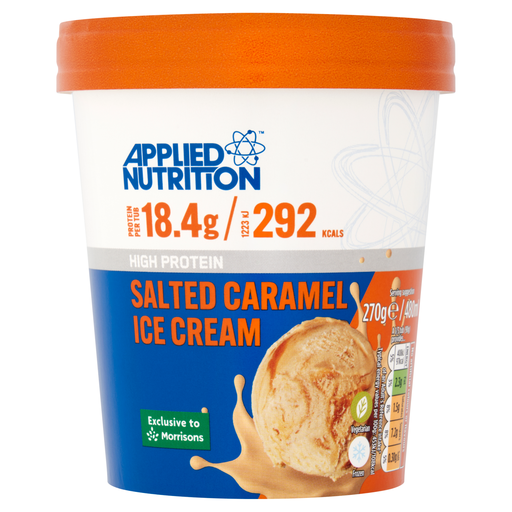
Why This Fits Their Persona: For those who meticulously track their macros, this ice cream is built to fit a structured diet. It delivers a substantial protein hit per tub while keeping calories and sugar impressively low, making it a functional treat post-workout or as a planned evening dessert.
It sidesteps the "Texture Trade-off" by using a blend of skimmed milk, cream and milk proteins to achieve a smoother consistency than many competitors. The flavour is balanced, avoiding the overly artificial taste of the "Flavour Fake-out".
Delivers 18.4g of protein per 270g tub for only 292 kcal. It is sweetened with erythritol and stevia, keeping the "per 100g" sugar content to 8g.
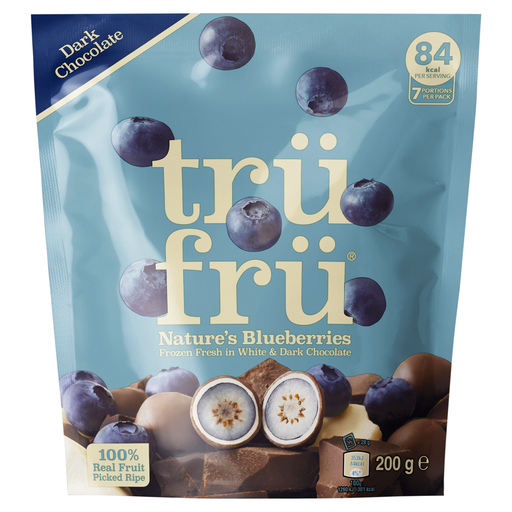
Why This Fits Their Persona: This is for the person who wants a satisfying frozen treat that feels indulgent but is rooted in simple ingredients. It is not an ice cream, but it hits the spot for a cold, sweet craving with the natural sweetness of fruit and the richness of chocolate.
It avoids the "Healthy Halo" trap by being exactly what it claims to be: real blueberries frozen and coated in chocolate. The ingredient list is straightforward and the satisfaction comes from whole fruit, not complex formulations.
Combines real fruit with the satisfying snap of white and dark chocolate. The hyper-chilling process helps lock in the flavour of the fresh blueberries.
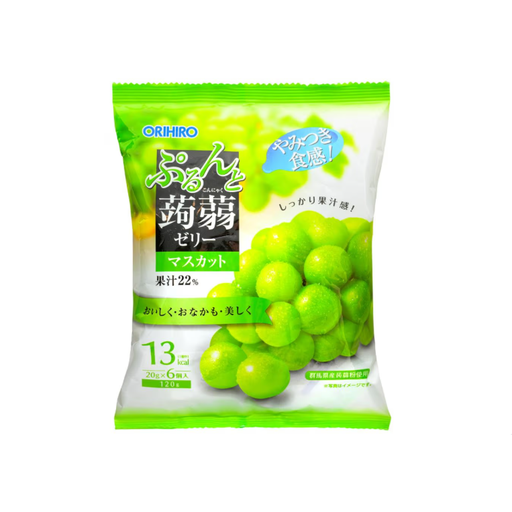
Why This Fits Their Persona: When every calorie counts, but a sweet craving needs to be addressed, konjac jelly is a popular choice. It offers a unique, chewy texture and fruity flavour with a minimal caloric footprint, making it an easy-to-fit snack for those on a strict calorie-controlled plan.
This product is not trying to be ice cream, so it completely avoids the texture and flavour pitfalls. It offers its own distinct, satisfying experience without pretending to be something it is not. The nutritional information is clear and impressive for its category.
Extremely low in calories at just 65 kcal per 100g, with zero fat and zero protein. The individual pouches make it a convenient, portion-controlled, on-the-go snack.
We have compiled a complete, real-time list of products that fully satisfy these strict selection criteria and UK safety regulations.
Protein ice cream can be a "better-for-you" alternative to traditional ice cream. It helps you increase your daily protein intake, which is beneficial for muscle repair and satiety, while typically being lower in calories and sugar. However, it is still a processed dessert and should be enjoyed as part of a balanced diet that prioritises whole foods.
A chalky or icy texture is a common complaint and usually stems from the product's formulation. It can be caused by a high water content, a low fat content or the specific type of protein powder used. Brands that successfully create a creamier texture often use a careful balance of milk fats, milk proteins and specific stabilisers to mimic the mouthfeel of traditional ice cream.
Once opened, it is crucial to store the tub properly to maintain its texture. Ensure the lid is sealed tightly and place it in the coldest part of your freezer. To further prevent freezer burn and the formation of ice crystals on the surface, you can press a piece of baking parchment directly onto the surface of the ice cream before replacing the lid. For the best quality, it is advisable to consume it within a couple of weeks.