Parents packing lunches for days out
A wrapped bar can be one part of a packed lunch rather than the meal itself. The NHS recommends fruit and vegetables as children’s snacks and advises aiming for no more than two packaged snacks a day.


For a school-holiday lunch, choose a protein bar as an optional packaged snack alongside the main meal and fruit or vegetables, not as a lunch replacement. Compare protein per bar with the full nutrition panel, then check the exact flavour’s ingredients, allergens and any school or activity provider’s food rules. NHS guidance favours fruit and vegetables as children’s snacks.
A wrapped bar can be one part of a packed lunch rather than the meal itself. The NHS recommends fruit and vegetables as children’s snacks and advises aiming for no more than two packaged snacks a day.
Dietary claims need checking on the chosen flavour. The TREK variety pack listed by Ocado is vegan and gluten-free; Tesco lists the nākd Peanut Butter Protein Bar as vegan, gluten-free and dairy-free.
Start with the current ingredient and allergen statement, before comparing protein figures. Nature Valley’s Peanut & Chocolate bar and nākd’s Peanut Butter Protein Bar both contain peanuts, while their other allergen warnings differ.
Decide how the bar fits the lunch and any food restrictions first. Then compare nutrition figures for the portion that will actually be eaten.
| Priority | What to check | Your needs |
|---|---|---|
| Place in the lunch | Plan the main meal separately. The NHS recommends fruit and vegetables as children’s snacks and advises aiming for no more than two packaged snacks a day. | I want something convenient to pack without relying on a bar for the whole lunch. |
| Protein per bar | Check both grams of protein and bar weight. Nature Valley UK lists around 10g per 40g Peanut & Chocolate bar; Ocado lists 9g to 9.5g per 50g TREK flapjack in its variety pack; Tesco lists 7.6g per 45g nākd Peanut Butter Protein Bar. | If protein is my reason for choosing a bar, I need the figure for one bar, not just per 100g. |
| Diet and allergens | Read the exact pack’s dietary claims, ingredients and allergen statement. Nature Valley UK lists peanut, soya and milk for Peanut & Chocolate; Tesco lists peanuts and possible soya and nut exposure for nākd Peanut Butter. | A vegan or gluten-free label might matter to us, but I still need to check whether that particular bar meets the child’s allergen requirements. |
| Sugars and energy | Read both values per bar and compare like portions. Nature Valley UK lists 6.9g sugars and 196 kcal per 40g Peanut & Chocolate bar; Tesco lists 13g sugars per 45g nākd Peanut Butter bar. | I want to judge the whole snack, rather than treating its protein amount or a no-added-sugar claim as the complete nutrition picture. |
| Where it will be eaten | Check the school’s, club’s or activity provider’s current packed-food rules, particularly before taking a nut-based bar. | For a day trip or organised activity, I need a bar that fits the destination’s rules as well as the child’s needs. |
Bar sizes and the rest of their nutrition differ. Nature Valley UK lists around 10g protein, 6.9g sugars and 196 kcal for a 40g Peanut & Chocolate bar; Ocado’s TREK variety pack includes 50g bars with 9g to 9.5g protein.
Compare figures per bar, then consider how that portion fits the lunch.
Tesco lists the nākd Peanut Butter Protein Bar as vegan, gluten-free and without added sugar, but it contains peanuts, may contain soya and nuts, and has 13g sugars per 45g bar.
Use dietary claims to narrow the choice, then read the exact pack’s ingredients, allergen warnings and nutrition panel.
A bar that meets a child’s dietary needs may still conflict with a school’s or activity provider’s packed-food rules.
Check the destination’s current rules before packing a peanut- or nut-based bar.
A protein figure does not describe the rest of the meal. The NHS recommends fruit and vegetables as children’s snacks and advises aiming for no more than two packaged snacks a day.
Plan the main lunch separately and decide whether a packaged bar is useful as an additional snack.
Nature Valley UK lists around 10g protein and 4g fibre per 40g Protein Peanut & Chocolate bar.
Ocado lists the TREK Protein Flapjacks variety pack as vegan and gluten-free, with 9g to 9.5g plant protein per 50g bar across the listed varieties.
Tesco lists the 45g nākd Peanut Butter Protein Bar as vegan, gluten-free and dairy-free, with 7.6g protein and 6.8g fibre.
Eat Natural’s UK protein-bar range uses ingredients including almonds, peanuts, pumpkin seeds and sunflower seeds.
Graze describes its Oat Boost flapjacks as wholegrain oat bars. Check an individual bar’s nutrition panel if protein is the reason for buying.
Tesco identifies an Alpen Protein Bar Berries & Yogurt 5 x 34g listing.
These Nature Valley bars, TREK flapjacks and nākd bar offer different pack sizes and flavours for packed-lunch shopping. Check each exact product’s label against the child’s dietary needs and the rest of the lunch.
 No image available
This four-pack contains 40g bars. For a packed lunch, check this flavour’s protein per bar and its peanut, almond, milk and soya allergen information.
 No image available
Nature Valley UK lists around 10g protein and 6.9g sugars per 40g Peanut & Chocolate bar. This eight-pack contains peanuts, soya and milk, so check the current pack and the destination’s food rules.
 No image available
These 50g flapjacks offer an oat-based format for a packed snack. Check the Salted Caramel pack’s vegan and gluten-free claims, protein per bar and soya allergen statement before choosing it.
 No image available
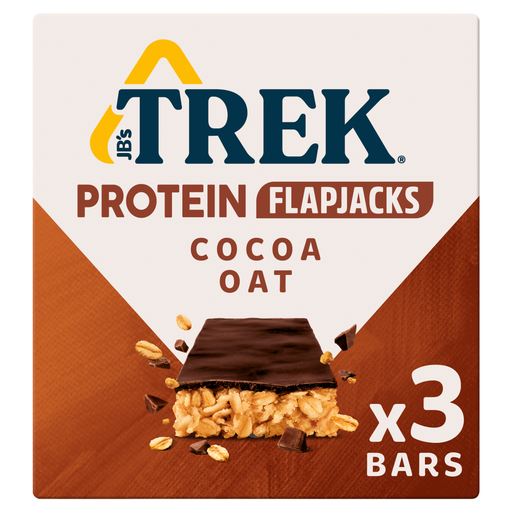
This pack contains three 50g cocoa oat flapjacks. If comparing it with another TREK flavour, read the Cocoa Oat bar’s own protein, sugars, dietary claims and soya allergen statement.
 No image available
This four-pack contains 35g Peanut Delight bars, a different product from the 45g nākd Peanut Butter Protein Bar. If protein is the priority, compare Peanut Delight’s own per-bar figure and check its peanut and other allergen warnings.
No: pack it, if wanted, as a snack alongside a separate lunch rather than treating its protein claim as a complete meal. The NHS recommends fruit and vegetables as children’s snacks and advises aiming for no more than two packaged snacks a day.
Not on that figure alone. Compare protein for the whole bar with its ingredients, allergens, sugars, energy and portion size. Nature Valley UK, for example, lists around 10g protein and 6.9g sugars per 40g Peanut & Chocolate bar, which also contains peanut, soya and milk.
Ocado lists the TREK Protein Flapjacks variety pack as vegan and gluten-free; Tesco lists the nākd Peanut Butter Protein Bar as vegan, gluten-free and dairy-free. Confirm those claims and the allergen statement on the exact flavour and current pack you buy.
Yes, especially for the named products here: Nature Valley’s Peanut & Chocolate bar and nākd’s Peanut Butter Protein Bar contain peanuts, while Eat Natural describes almonds and peanuts among ingredients used in its protein range. Read each pack’s allergen statement and check any school or activity provider’s packed-food rules.