Desk workers packing a mid-morning snack
An individual bar is convenient to take to work. Compare protein, fibre, sugars and energy per whole bar so a smaller serving does not distort the choice.


For a protein-focused elevenses, compare the amount per whole bar and the full nutrition label rather than treating every bar with “protein” in its name as equivalent. Nature Valley lists about 10g protein for its 40g Protein bars, while TREK distinguishes its 9g Protein Flapjacks from a High Protein range it says provides 15g; the better fit also depends on ingredients, allergens, sugars and portion size.
An individual bar is convenient to take to work. Compare protein, fibre, sugars and energy per whole bar so a smaller serving does not distort the choice.
TREK and Nakd have options described for these dietary preferences. Check the exact flavour and current pack: a range description does not establish every ingredient or allergen precaution.
Nut, soya and milk ingredients matter separately from vegan or gluten-free wording. Use the ingredient list and allergen declaration for the bar you intend to buy.
Start with the whole-bar serving, then compare the other label details that affect whether that particular flavour fits your elevenses.
| Priority | What to check | Your needs |
|---|---|---|
| Protein | Compare grams per whole bar, not just the product name. For a “high protein” claim, legislation.gov.uk gives a criterion of at least 20% of the food’s energy coming from protein; grams alone do not establish that share. | I want protein to be the main reason for choosing this snack, so I need to distinguish a high-protein bar from one that simply contains some protein. |
| Full nutrition label | Read fibre, sugars and energy alongside protein, using the same per-bar basis. Nature Valley UK lists 4.3g fibre, 6.4g sugars and 198 kcal for its 40g Salted Caramel Nut bar; Tesco lists 6.8g fibre, 13g sugars and 189 kcal for a 45g Nakd Peanut Butter Protein bar. | Protein matters to me, but I also want to know what the complete bar contributes before choosing my mid-morning portion. |
| Ingredients and allergens | Check the exact flavour’s ingredients and allergen declaration, including precautionary wording. Do not use “vegan” or “gluten-free” as a substitute for checking other allergens. | If I avoid an ingredient, the current pack declaration needs to fit that requirement—not just the dietary description on the front. |
| Bar and pack size | Check the weight of one bar and how many bars are in the pack. Compare nutrition per bar when selecting an individual elevenses serving. | I need a portion I can take with me and a pack size that suits how often I buy snacks. |
Protein amounts differ between bars and ranges. Tesco lists 7.6g per Nakd Peanut Butter Protein bar, while TREK states 15g for its separate High Protein range; neither figure alone describes the protein share of total energy.
Set the amount you want per bar, then check the particular product’s label and any high-protein claim.
Nature Valley UK lists 10.4g protein, 6.4g sugars and 198 kcal for its 40g Salted Caramel Nut bar. Tesco lists 7.6g protein, 13g sugars and 189 kcal for a 45g Nakd Peanut Butter Protein bar.
Compare protein, fibre, sugars and energy on a consistent per-bar basis rather than judging either bar by one figure.
Those descriptions do not cover every ingredient someone may need to avoid. The Nature Valley Salted Caramel Nut bar is described as gluten-free but contains peanuts, soya, almond and milk; the cited Nakd bar contains peanuts.
Check the current pack’s ingredients, highlighted allergens and precautionary statements for the exact flavour.
A November 2021 Weetabix Food Company allergen document names Alpen Protein Bars, but its date makes it unsuitable for choosing a bar by its current ingredients or nutrition.
Use the current pack and product details for the exact flavour and multipack you are considering.
Its Protein range includes 40g nut-based bars, alongside distinct Protein + Fibre variants.
TREK separates its plant-based Protein Flapjacks from a High Protein range.
A fruit-and-nut route for shoppers considering vegan and no-added-sugar product wording alongside protein.
Its cited peanut-and-dark-chocolate bar is a nut-led option containing protein, rather than a reason to assume every bar in the range is high in protein.
Its cited Cocoa Vanilla Oat Boost is an oat-flapjack option to assess by its own label, not by the protein figures of other brands.
Weetabix Food Company’s November 2021 allergen document names Alpen Protein Bars, but a historical product reference is not a current nutrition label.
These Nature Valley and Grenade bars are options for comparing individually sized, protein-focused elevenses servings. Check each flavour’s current nutrition and allergen label before deciding.
 No image available
A 40g bar format for comparing protein with the rest of an elevenses serving. Nature Valley describes this flavour as gluten-free; check the current pack for nutrition and for its peanut, soya, almond and milk allergens.
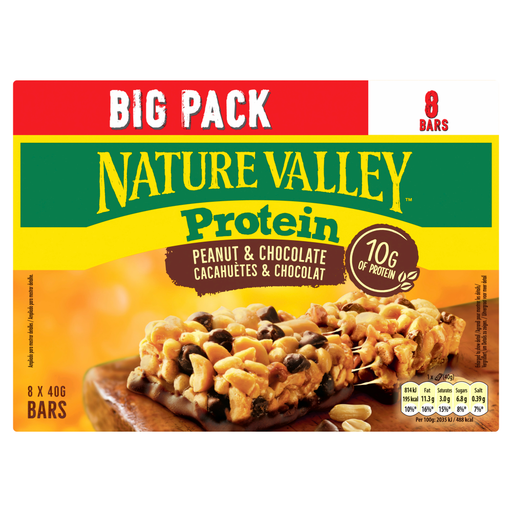 No image available
Another 40g Nature Valley Protein format, in an eight-bar pack. Compare its own nutrition panel with the Salted Caramel Nut flavour, and check the declaration for milk, peanuts, soya and possible tree-nut traces.
 No image available
A 50g bar format for shoppers comparing a different flavour and serving size with the 40g options. Check protein, fibre and sugars per bar, as well as the current milk and soya allergen declaration.
 No image available
This 50g Golden Caramel variant comes in a twelve-bar pack. Compare its per-bar protein, fibre and sugars with other flavours rather than assuming their labels match; check milk and soya on the current pack.
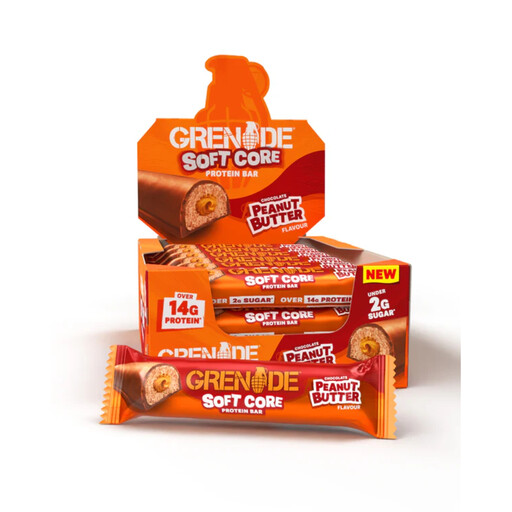 No image available
A 50g Peanut Butter variant for comparing another protein-bar flavour at elevenses. Check its own nutrition panel and the current declaration for milk, soya and peanuts before choosing it.
For a “high protein” claim, the criterion given by legislation.gov.uk is that at least 20% of the food’s energy comes from protein. A bar can contain protein without meeting that criterion, so check the claim and the complete nutrition label rather than relying on its name.
Yes, if its ingredients, portion and other label details suit what you want from the snack; the protein amount need not be your only criterion. For a protein-led comparison, TREK distinguishes its 9g Protein Flapjacks from its High Protein range, which the brand says provides 15g, so check the specific bar rather than treating the ranges as interchangeable.
No. Gluten-free wording does not address nuts or soya. The cited Nature Valley Salted Caramel Nut bar contains peanuts, soya, almond and milk, while the cited Nakd Peanut Butter Protein bar contains peanuts and may contain soya and other nuts; check the current pack’s allergen declaration for the exact flavour.
No. Protein is only one part of the label and does not, by itself, describe what the bar provides as a meal. Compare the whole serving and its ingredients with what you want from breakfast; NHS guidance discusses food choices in the context of a varied, balanced diet.