Runners who have missed a meal
A portable snack can be useful, but its timing matters. University College London Hospitals NHS Foundation Trust advises carbohydrate, some protein and minimal fat for a snack eaten 60–90 minutes before exercise.


A high-protein bar is not automatically the right food immediately before a 5k. If you need a snack before running, the time available, its carbohydrate and fat content, and how well you tolerate it matter; a protein-containing bar may make more sense after the run or between meals.
A portable snack can be useful, but its timing matters. University College London Hospitals NHS Foundation Trust advises carbohydrate, some protein and minimal fat for a snack eaten 60–90 minutes before exercise.
A protein-containing bar is one convenient option when a meal is not close at hand. UK Sports Institute guidance discusses eating carbohydrate alongside protein after running, rather than relying on protein alone.
Vegan or gluten-free wording does not answer every allergen question. Check the ingredients and precautionary statements on the bar you intend to eat, particularly for nuts, milk and soya.
Start with when you plan to eat the bar, then compare its serving-size nutrition and ingredients. A prominent protein figure does not settle whether it suits the period before a run.
| Priority | What to check | Your needs |
|---|---|---|
| Time before running | If eating 60–90 minutes before exercise, check carbohydrate, protein and fat per bar against University College London Hospitals NHS Foundation Trust’s advice to include carbohydrate and some protein while keeping fat minimal. Try the timing during an ordinary run. | I have missed a meal and want a familiar snack that fits the time left before my 5k. |
| After-run snack | Read protein and carbohydrate per serving, and consider what else you will eat or drink. UK Sports Institute guidance discusses carbohydrate together with protein after running. | A bar would be convenient after my run, but I do not expect its protein figure to replace a meal. |
| Serving-size nutrition | Compare serving sizes alongside carbohydrate, protein, fat, sugars, fibre and salt. For a specific reference point, Myprotein UK lists 21.1g carbohydrate and 9.8g fat per 50g TREK Original Oat Protein Flapjack; its protein statements differ between the listing copy and nutrition panel. | I want to know what one bar contains, rather than choose by a claim on the front of the wrapper. |
| Ingredients and allergens | Read the current ingredients and allergen information, including any may-contain statement. Check vegan and gluten-free claims separately from the allergens relevant to you. | My dietary requirements could rule out a bar even if its nutrition figures suit the occasion. |
| Format and tolerance | Check whether the bar is nut-based or a flapjack, note its serving size, and try that product at the intended time before buying a larger pack. | I would rather learn whether I like and tolerate a bar on an ordinary day than first eat it before an event. |
Protein content alone does not tell you whether a bar fits the time before a 5k. Nut-based bars can also contain substantial fat per serving.
If you need a snack 60–90 minutes before exercise, use the carbohydrate, protein and minimal-fat guidance from University College London Hospitals NHS Foundation Trust, and try your choice during training.
“Protein”, “natural” or “gluten free” describes only part of what a wrapper might tell you. Action on Salt & Sugar reported that 64% of the 458 snack bars in its 2025 UK review were classified as “less healthy” under the Government Nutrient Profiling Model; that finding does not classify every bar individually.
Compare the nutrition panel per bar, including carbohydrate, fat, sugars, fibre and salt, as well as protein. Check serving sizes before comparing two products.
Reviewed bars include ingredients such as peanuts, almonds, soya and milk. A vegan or gluten-free claim does not establish suitability for a different allergy.
Read the current pack’s ingredient list and any may-contain statement before eating the bar.
The flavour, texture and timing of a bar can matter when you intend to eat it around a run.
Try a serving at the intended time on an ordinary training day, and check the current pack when you buy more.
These examples illustrate differences between particular bars and ranges; the figures and dietary descriptions should not be applied to every product a brand makes.
Nature Valley describes its Protein Salted Caramel Nut bar as a 40g, gluten-free bar with around 10g protein and 4g fibre.
TREK describes its Protein Flapjacks as providing 9g plant-based protein. Myprotein UK lists 21.1g carbohydrate and 9.8g fat per 50g Original Oat Protein Flapjack.
Tesco Groceries lists 10.4g protein, 12.5g carbohydrate and 11.4g fat per 40g Peanuts, Almonds & Salted Caramel bar.
The listed nākd. Peanut Butter Protein Bar is described by Portion Solutions as providing 7g plant protein and having no added sugar.
Graze describes its Oat Boost range as oat-based flapjacks. Tesco Groceries describes Cocoa Vanilla Oat Boost as high in fibre and suitable for vegans.
These protein-bar options fit a search for a convenient snack after a 5k or between meals. If you plan to eat one before running, compare the current pack’s nutrition and ingredients with your timing and dietary requirements.
 No image available
Consider this format if you want a protein bar after a run or between meals. Check the current pack’s per-bar carbohydrate, protein and fat figures, along with its ingredients, before deciding when to eat it.
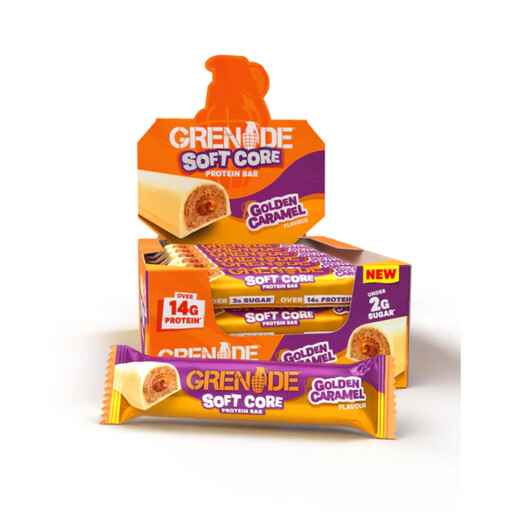 No image available
This is another protein-bar format for an after-run or between-meal snack. If you need to avoid milk, soya or gluten, check the current pack’s ingredients and dietary statements; do not infer suitability from the product name.
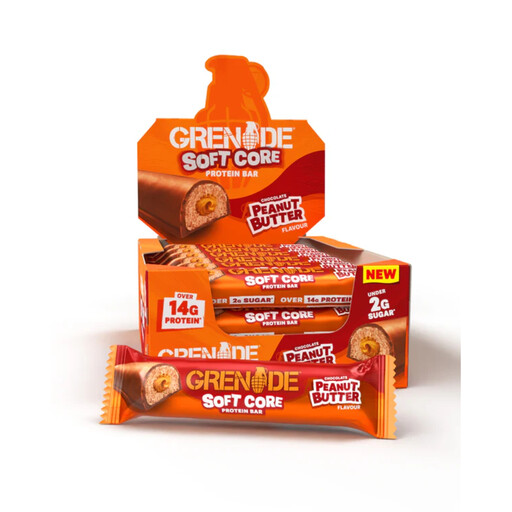 No image available
If a peanut-butter flavour appeals as an after-run snack, compare this bar’s serving-size nutrition with your other choices. Read the ingredient and allergen statements carefully, particularly if peanuts or other allergens affect your choice.
 No image available
This nut-based bar is worth comparing for an after-run or between-meal snack rather than assuming it will suit a run starting soon. Nature Valley describes each 40g bar as gluten free and providing around 10g protein; check the current pack for fat and allergen information.
 No image available
Consider this variant when choosing a portable protein bar for after a run or between meals. Compare its current per-bar nutrition with the Salted Caramel Nut variant, and check the ingredients and allergen statement for this exact flavour.
Not automatically. For a snack eaten 60–90 minutes before exercise, University College London Hospitals NHS Foundation Trust advises carbohydrate, some protein and minimal fat. Check the particular bar against that advice and try your timing during training rather than assuming its protein claim makes it suitable.
It can be a convenient after-run snack, particularly if a meal is not close at hand. UK Sports Institute guidance discusses eating carbohydrate together with protein after running, so consider the bar alongside what else you eat rather than focusing on protein alone.
Compare what each whole bar provides as well as the serving size: look at protein, carbohydrate, fat, sugars, fibre and salt. That makes a 40g bar and a 50g bar easier to assess for the occasion when you expect to eat one.
No. Those descriptions do not settle whether a bar contains peanuts, other nuts, soya or another ingredient you need to avoid. Read the current pack’s ingredient list and any may-contain statement for the exact product.