Choose a high-protein snack bar by checking its current ingredients and allergen statements before comparing protein per bar. Some of the protein-focused examples contain peanuts, soya or milk, and a gluten-free label does not settle those other allergy questions. Once a bar fits your allergy-management plan, compare the protein in the portion you would actually eat and check the physical wrapper again.
Who needs to check what?
Shoppers avoiding peanuts, tree nuts, soya or milk
Start with the exact bar’s ingredients and precautionary statements. Several protein-focused examples contain peanuts or soya, while others declare milk or possible tree-nut exposure. Compare protein only among bars that fit your allergy-management plan.
Gluten-free shoppers with other allergy concerns
Check the gluten-free claim and the other allergen declarations separately. The Nature Valley Peanut & Chocolate and Eat Natural Peanuts, Almonds & Cocoa examples are described as gluten-free, yet both contain peanuts and declare other allergens.
Shoppers choosing a portable protein snack
Use grams of protein per individual bar to compare portions, not just the word “protein” on the pack. A multipack or another flavour from the same range may have a different ingredient list, so check the wrapper you will eat.
What matters when choosing a bar?
Filter bars against your allergy-management plan first, then compare the protein per bar and the details on the current pack.
| Priority | What to check | Your needs |
|---|
| Allergen compatibility |
Read the full ingredients and allergen statement for the exact bar. Assess any relevant “may contain” wording against your allergy-management plan; the Food Standards Agency explains that it signals possible unintended allergen presence. |
I need to rule out bars containing my allergen and account for any relevant precautionary warning before considering their protein content. |
| Protein per bar |
Compare the stated amount for one bar alongside its weight. Nature Valley UK describes around 10g protein in its 40g Peanut & Chocolate bar; ASDA lists 8.0g in the 40g Eat Natural Peanuts, Almonds & Cocoa bar, while Portion Solutions lists 7g in the 45g nākd. Peanut Butter bar. |
Once a bar passes my allergen checks, I want to know how much protein the individual snack provides—not just whether “protein” appears in its name. |
| Gluten-free status |
Check the claim on the specific product, then read its separate peanut, nut, soya and milk declarations. A gluten-free claim does not answer those other allergy questions. |
If I need a gluten-free bar, I still have to check every other allergen relevant to me. |
| Current wrapper |
Check the physical pack before purchase and eating, particularly for a new flavour, multipack or changed packaging. Read each flavour’s own ingredients and precautionary wording. |
I want the label on the bar I will eat to guide the decision, rather than relying on an earlier purchase or an online description. |
Common shopping mistakes
-
Putting the protein figure ahead of the allergen statement
Nature Valley Protein Peanut & Chocolate contains peanuts, soya and milk and may contain tree nuts. Its protein amount does not change whether those declarations fit your allergy-management plan.
Exclude incompatible bars first; compare protein per bar only within the remaining options.
-
Reading “gluten-free” as a general allergy claim
The nākd. Peanut Butter bar is listed as gluten- and dairy-free but contains peanuts and may contain soya and nuts. Eat Natural Peanuts, Almonds & Cocoa is gluten-free but contains peanuts and almonds.
Match each claim to the allergen you need to avoid, then check the full statement for that flavour.
-
Assuming every flavour has the same ingredients
The TREK variety-pack listing describes soya in displayed variants and peanut ingredients in its peanut-butter flavour. A range name alone cannot establish the allergen profile of every wrapper.
Read each flavour’s individual wrapper, especially in a mixed pack.
-
Relying on an older product description
An earlier listing or a previously purchased pack may not describe the bar in your hand if its formulation or labelling has changed.
Check the current physical pack before purchase and again before eating.
Brand ranges to assess
These examples describe particular bars or listings, not an allergy status that applies to every product from a brand.
Nature Valley
Nature Valley UK describes around 10g protein per 40g Peanut & Chocolate bar and labels that variant gluten-free.
- The per-bar protein amount makes the specified variant straightforward to compare with other labelled portions.
- It contains peanuts, soya and milk and may contain tree nuts; gluten-free does not address those allergens.
TREK
A TREK protein flapjack variety-pack listing states 9g plant-based protein per 50g bar.
- The listing identifies gluten-free oats in displayed flavours.
- Displayed variants include soya ingredients, and the peanut-butter flavour includes peanuts. Check each wrapper in a mixed pack.
Eat Natural
ASDA lists 8.0g protein per 40g Peanuts, Almonds & Cocoa bar; Eat Natural UK lists 7.8g per 40g Dark Chocolate & Peanut bar.
- These figures identify the portion and variant being compared.
- The Peanuts, Almonds & Cocoa variant contains peanuts and almonds and may contain milk, soya and other nuts. Check the different declaration on any other variant.
nākd.
Portion Solutions lists 7g plant protein in the 45g Peanut Butter bar and describes that variant as gluten- and dairy-free.
- Its stated protein amount can be compared per individual bar.
- The Peanut Butter bar contains peanuts and may contain soya and nuts.
Graze
Sainsbury’s lists 2.2g protein per 30g Graze Peanut Butter Protein Oat Boost bar.
- The stated portion and protein figure help distinguish this oat bar from the other protein-bar examples.
- Its listed ingredients include peanut butter, peanuts, soya flour and soya lecithin.
Alpen
Alpen’s UK allergy guidance says its products contain wheat, barley or oats.
- If you avoid one of those ingredients, assess the exact Alpen product’s current label rather than making a brand-wide suitability assumption.
Snack bars on Joybuy
These snack-bar packs offer different flavours and allergen declarations to assess. Check each current wrapper against your own allergy-management plan before comparing portions.
 No image available
TREK Salted Caramel Protein Flapjacks, 3 × 50g
For a salted-caramel flapjack, check the individual wrapper for soya and any relevant peanut, nut or milk precautionary statement before comparing its protein declaration.
View on Joybuy
 No image available
Nature Valley Protein Peanut & Chocolate Bar, 4 × 40g
Nature Valley UK describes around 10g protein per 40g bar. This variant contains peanuts, soya and milk and may contain tree nuts; its gluten-free label does not resolve those other allergy concerns.
View on Joybuy
 No image available
Nature Valley Protein Salted Caramel Nut Bar, 4 × 40g
If you are considering this salted-caramel nut variant, check its current wrapper for almonds, peanuts, milk and soya before using its protein figure to compare bars.
View on Joybuy
 No image available
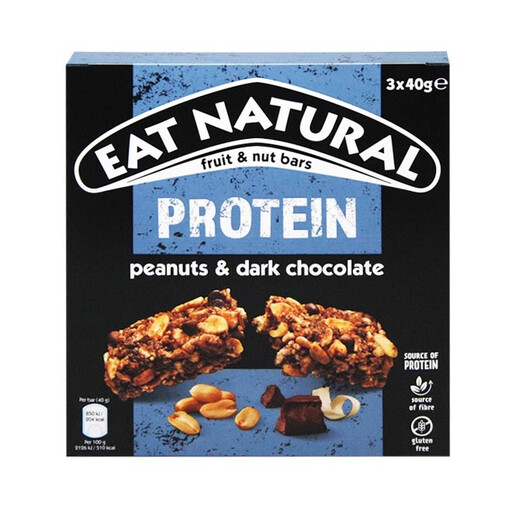
Eat Natural Protein-Packed with Peanuts and Chocolate, 3 × 40g
The Joybuy listing identifies peanuts, nuts, milk and soya in its allergen information. Check the physical pack against your allergy-management plan; if you need a gluten-free bar, check that claim on this exact pack too.
View on Joybuy
Questions about labels and allergens
Is a gluten-free protein bar suitable for other food allergies?
Not necessarily: gluten-free status does not establish suitability for peanut, nut, soya or milk allergy. Nature Valley Protein Peanut & Chocolate is described as gluten-free but contains peanuts, soya and milk and may contain tree nuts. Check the full declaration on the exact bar.
What does “may contain” mean on a snack-bar wrapper?
It is precautionary allergen labelling indicating that the named allergen could be unintentionally present. The Food Standards Agency describes its use in relation to cross-contact risk. Assess the specific warning against your allergy-management plan rather than treating it as an ingredient-free guarantee.
Why check a bar I have bought before?
Its current ingredients or allergen declaration may differ from the information you relied on previously. Check the physical wrapper before purchase and eating, including when the flavour or packaging looks familiar.
Is an oat bar automatically suitable if I avoid wheat or gluten?
No: assess the exact product’s current ingredients and any gluten-free claim. Alpen’s UK guidance says its products contain wheat, barley or oats, while the TREK variety-pack listing identifies gluten-free oats in displayed flavours; neither statement establishes the status of every oat bar.


